
Now we are in Iran. A country with a divergent reputation, both among travellers and in world politics. Iran calls itself an “Islamic Republic”. Sharia (religious rules, norms and precepts) is interpreted strictly here. It is the first country where Linda now has to wear a headscarf at all times, plus a blouse or similar that reaches down over her backside. Long trousers have been a given for a few months now, as has the absence of the alcohol aisle in the supermarkets.
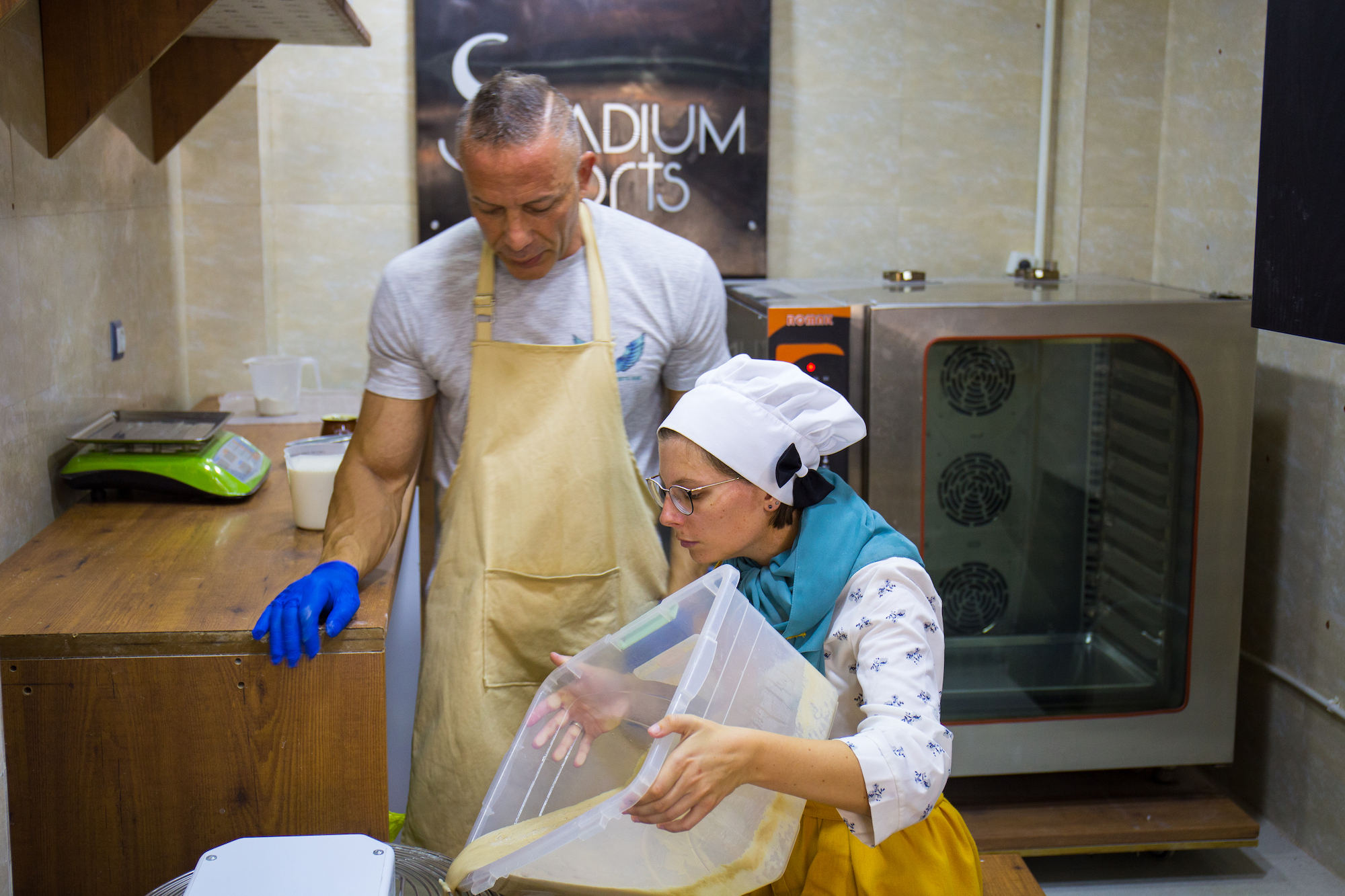
We enter Iran via Iraq and make our first bigger stop in Bushehr on the coast. There we get to know Fahid and spend a few days gaining interesting insights into the life and culture of the locals. We bake European bread with Fahid, because he runs a small bakery.
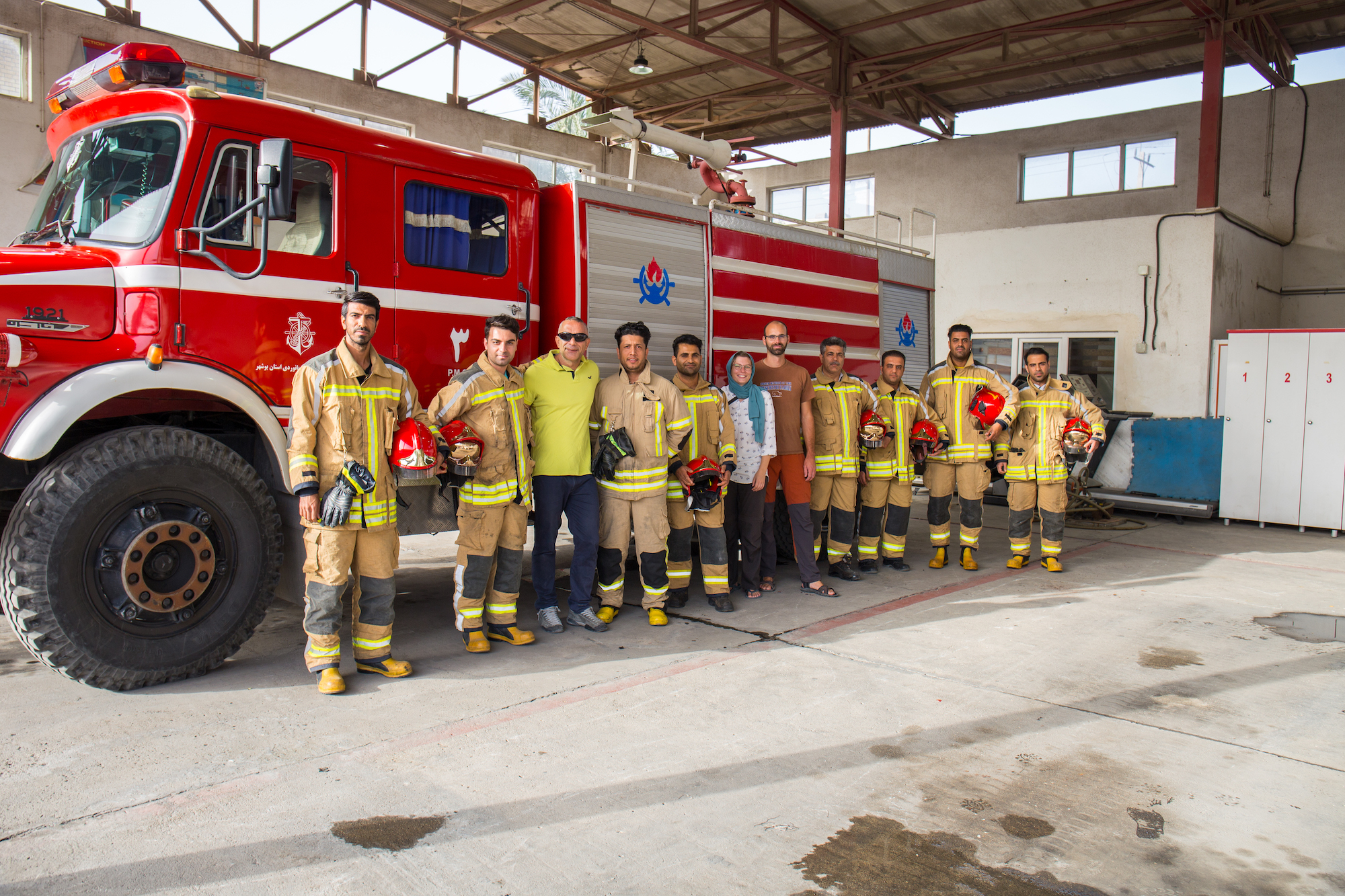
There’s a fire station in the town’s harbour. For us, as firefighters, of course very interesting. Fahid arranges a visit and comes along as our interpreter. The Iranian firefighters are very keen to hear how the fire service works in Germany. In return we listen eagerly to what their everyday work looks like. Proudly they show us their kit. A lot of Australian products are in use. They tell us they’d actually like different equipment, but can’t get hold of it because of the sanctions.
Because of Iran’s opaque nuclear-weapons dealings, many Western countries have imposed sanctions on the republic. The country is therefore fairly cut off. Imports of any (Western) goods are almost impossible.
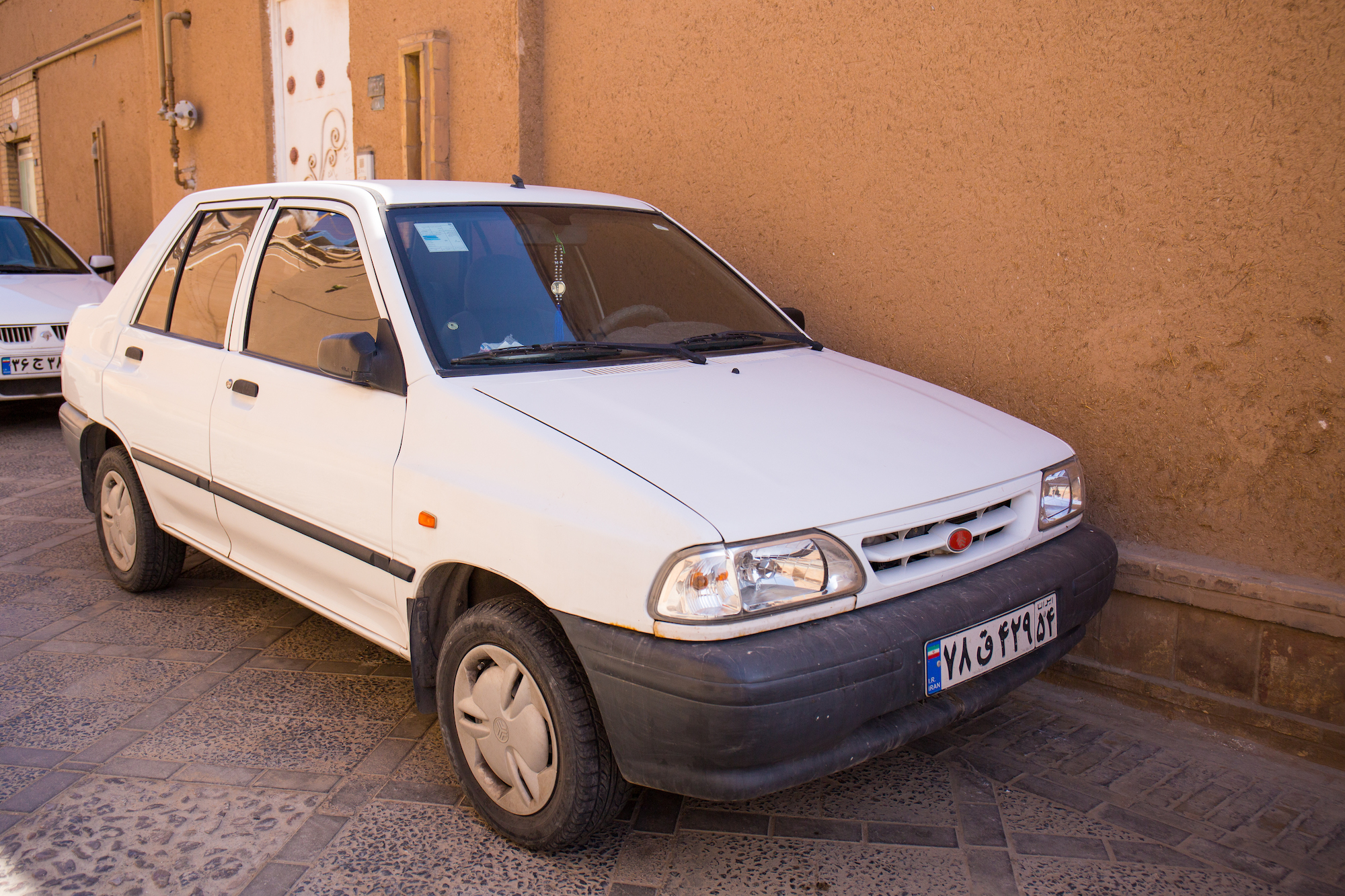
What the Trabant was in East Germany, the Saipa is here. A small white car built in Iran that shapes the traffic scene.
Alongside it you see blue pickups (also made by Saipa) and round-bonnet Mercedes trucks on the streets. The round-bonnets are sometimes very old and really still German-made. But by now a Chinese firm builds trucks in Iran that look like the old round-bonnets but have a Chinese engine. The Peugeot 206 is also still produced in the country under licence. Driving any car other than the ones just mentioned is almost impossible in Iran. To import a car from abroad, an Iranian would have to pay roughly three times the German new price.
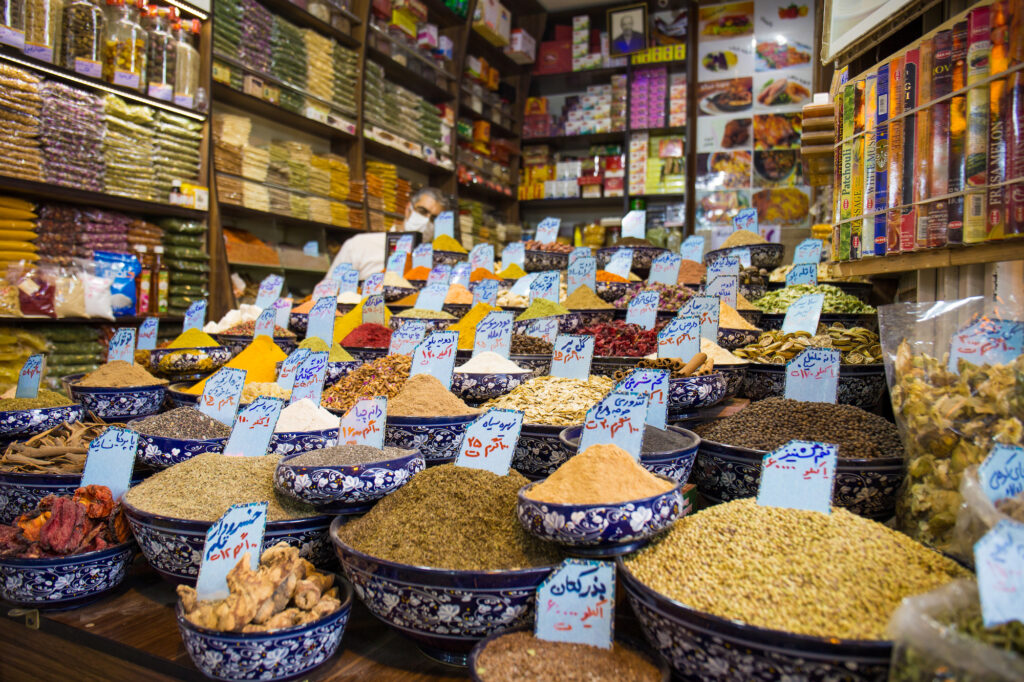
At our second bigger stop, in Shiraz, we visit the bazaar and, for the first time, really come face to face with the Iranian currency. Cash is the most important thing for tourists here, because in the whole republic (because of the sanctions) no credit cards or other foreign bank cards work. You have to bring in the entire sum you’ll need for your stay in cash. The official currency is the Iranian rial, at an official rate of about €1 to 43,000 IR. On the currency black market, though, you currently (as of April 2022) get a proud 300,000 IR for €1! You have to know that first. The largest banknote is 500,000 IR, so you run around with a whole heap of millions if you change just €100. With all the zeros the Iranians quickly get confused themselves, which is why they came up with the “sub-currency” toman. For that you simply drop one zero from the amount. Very confusing, the whole thing. You constantly have to reach for the calculator and ask five times over when paying.
The bazaars across the country are beautiful, offer everything your heart desires and are unbelievably cheap. As mentioned, though, the currency is always a hurdle, so it can take ten minutes before you’ve actually worked out what something costs, and another five before you’ve counted together all the notes to pay.
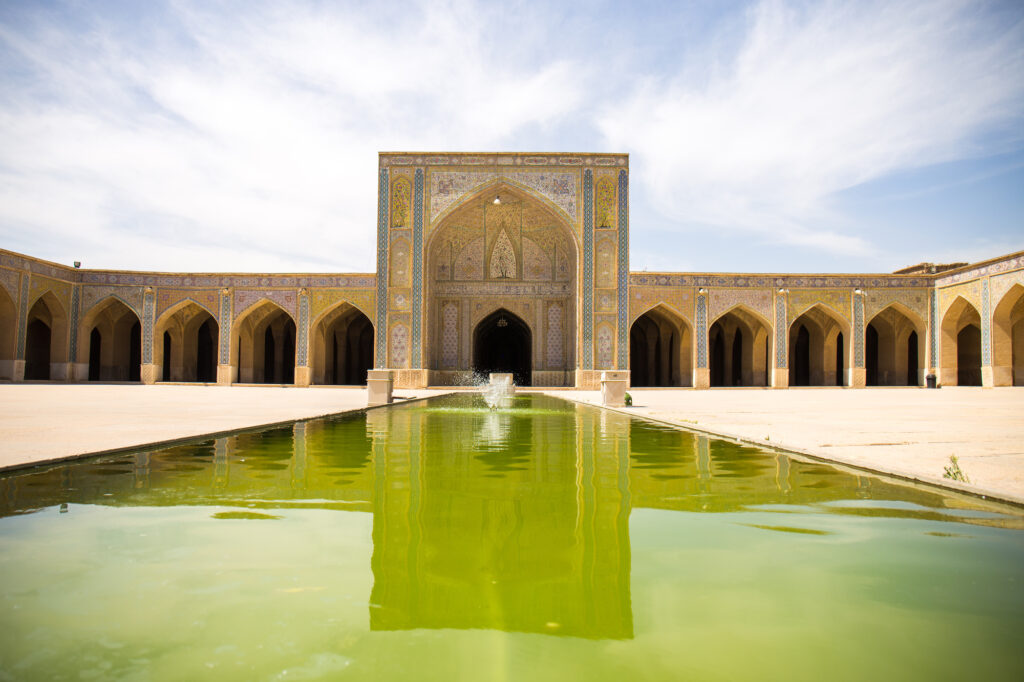
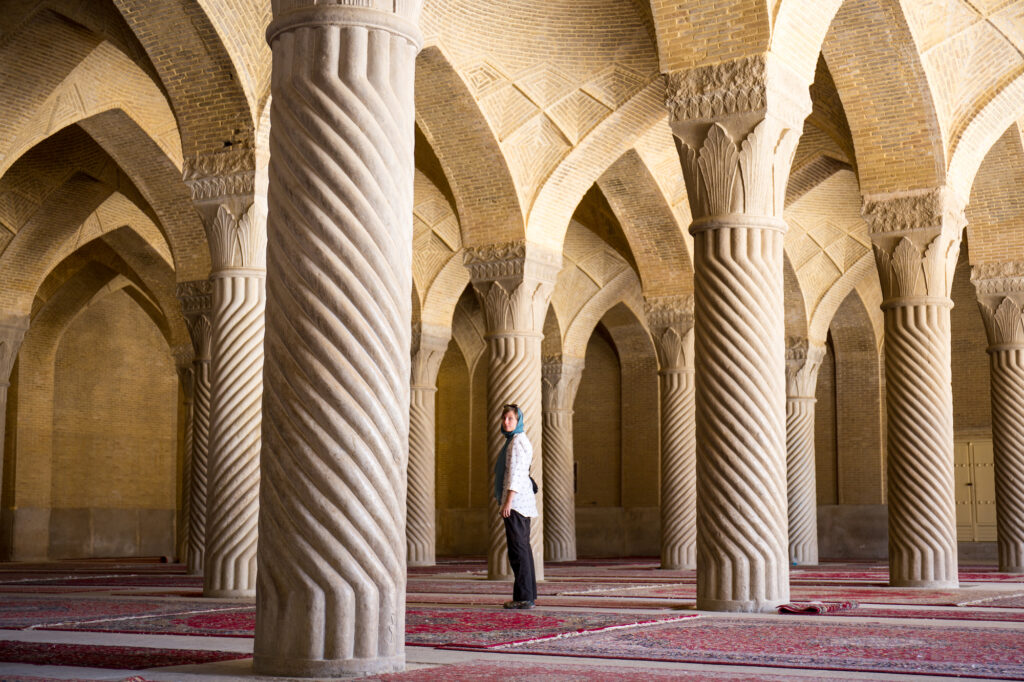
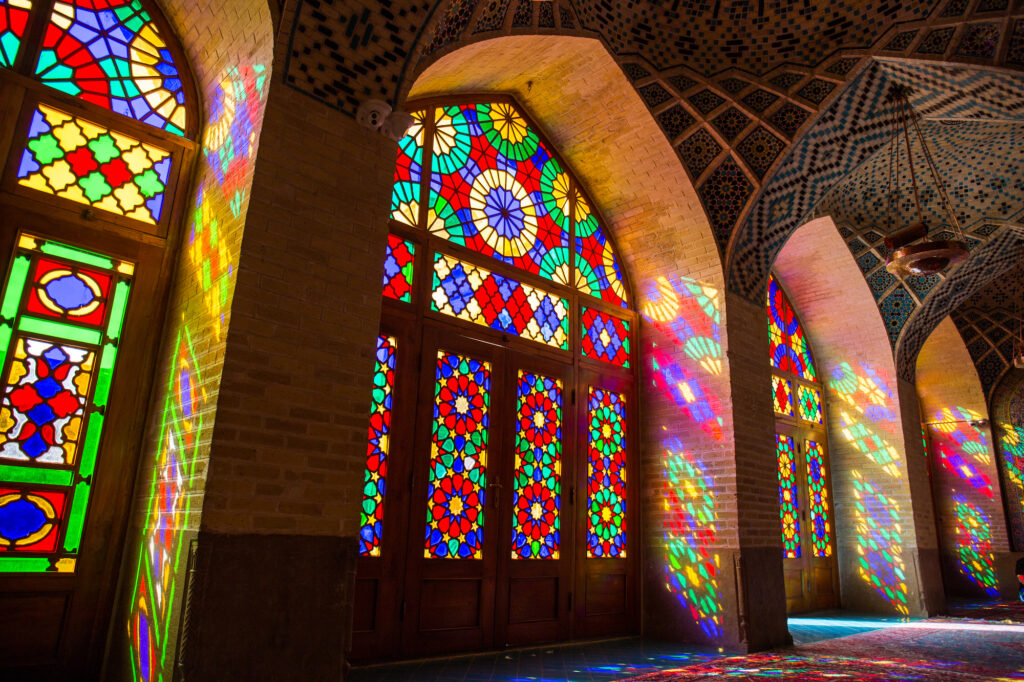
Shiraz, like many other Iranian cities, has beautiful mosques. Probably the best known in the city is the so-called Pink Mosque (Nasir al-Mulk Mosque). It has a prayer hall with coloured glass windows. Visit the mosque in the morning hours and the sunlight falls through them, bathing the room in a colourful sea of hues.
In Shiraz we’re also introduced to the Iranian picnic culture for the first time.
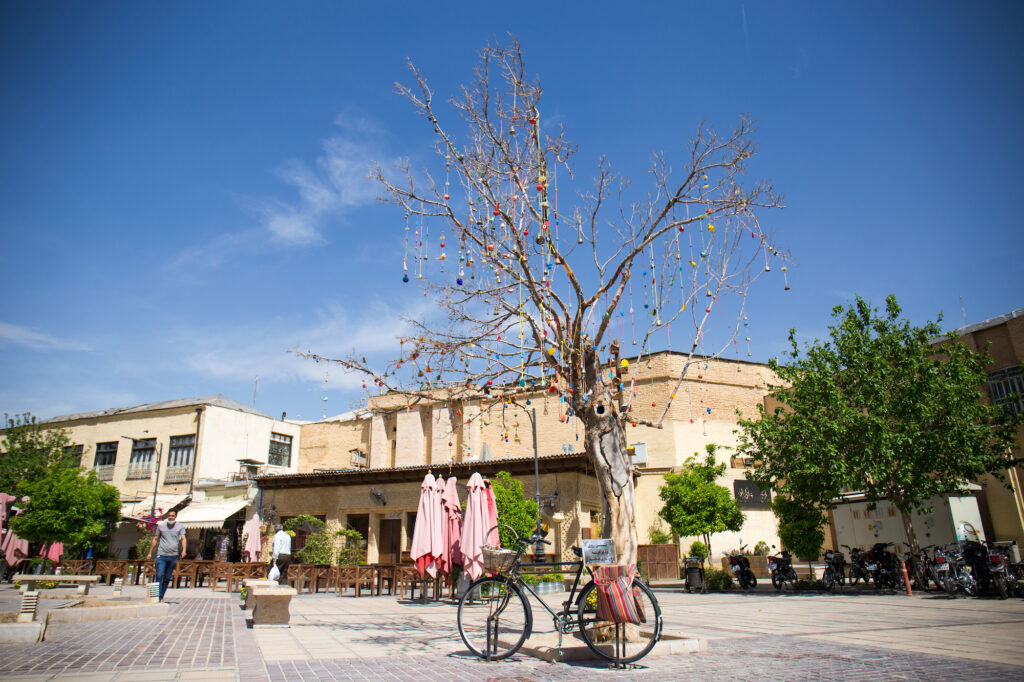
Because eating together outdoors is celebrated EVERYWHERE after nightfall. The public parks are overcrowded in the evening, so with your blanket and your plastic bags bulging with treats you simply move onto the pavements right next to the three-lane road.
Another thing that sets the Iranians apart is their extreme hospitality. As mentioned, it’s always the same car models moving in the traffic. So as a tourist with a travel vehicle you stand out immediately, always and everywhere. People honk, wave, slow you down to make you stop for a selfie, invite you to eat hundreds of times and ask whether and what you happen to need.
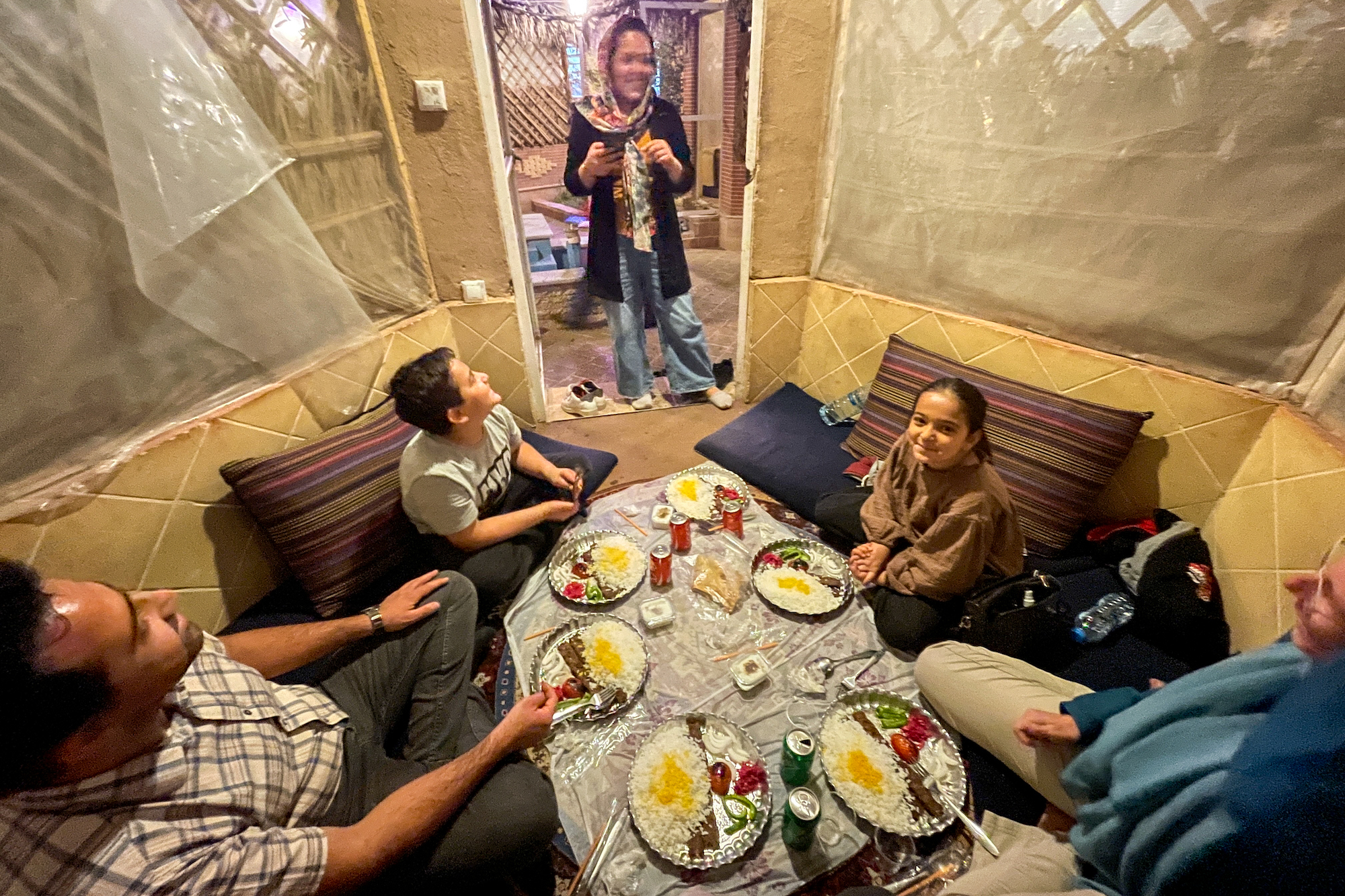
You do have to keep the so-called “tarof” in mind, though. You have to be asked three times before an invitation or another offer really holds and is meant sincerely. To turn an invitation down you have to stay very firm indeed.
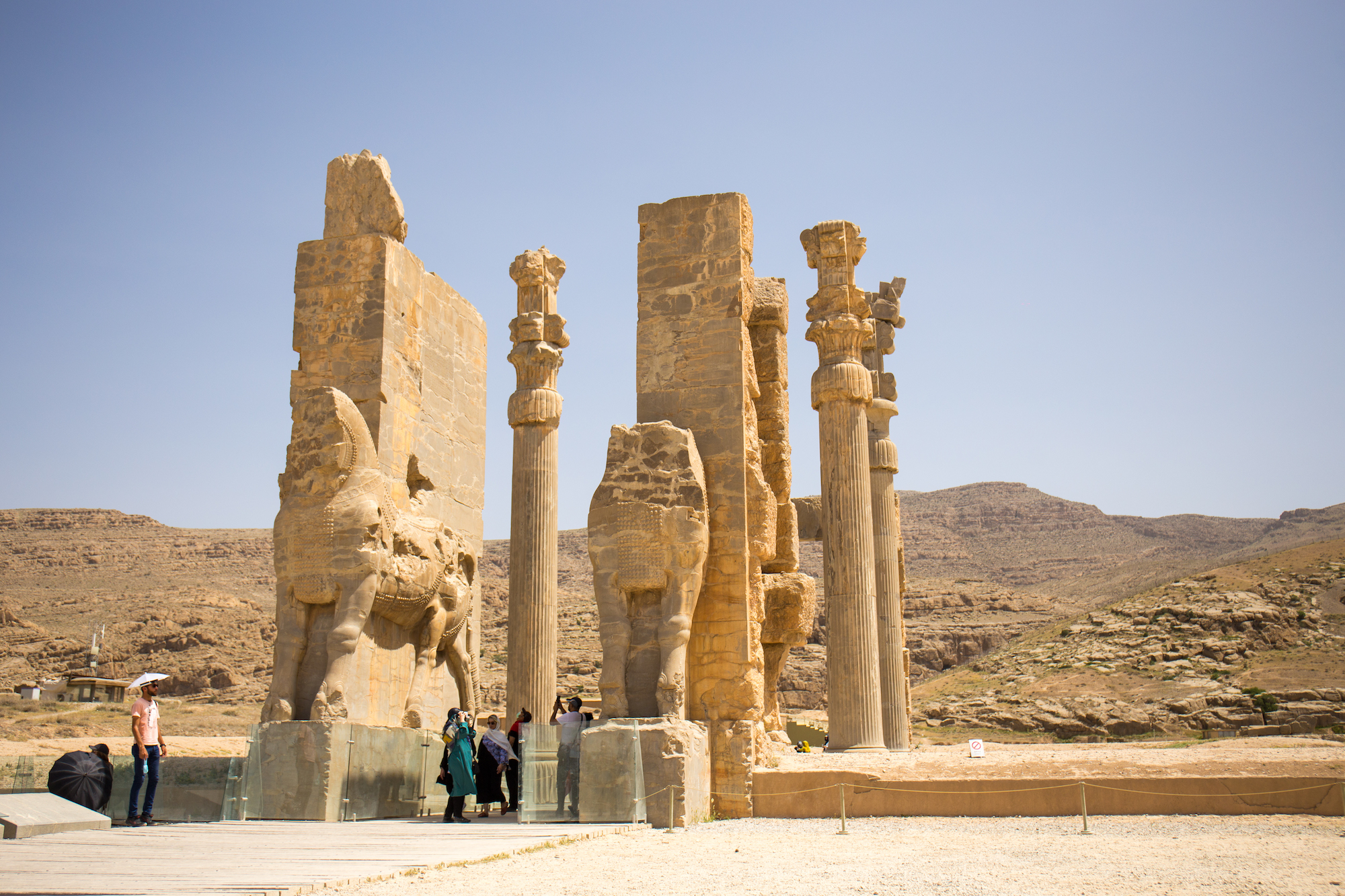
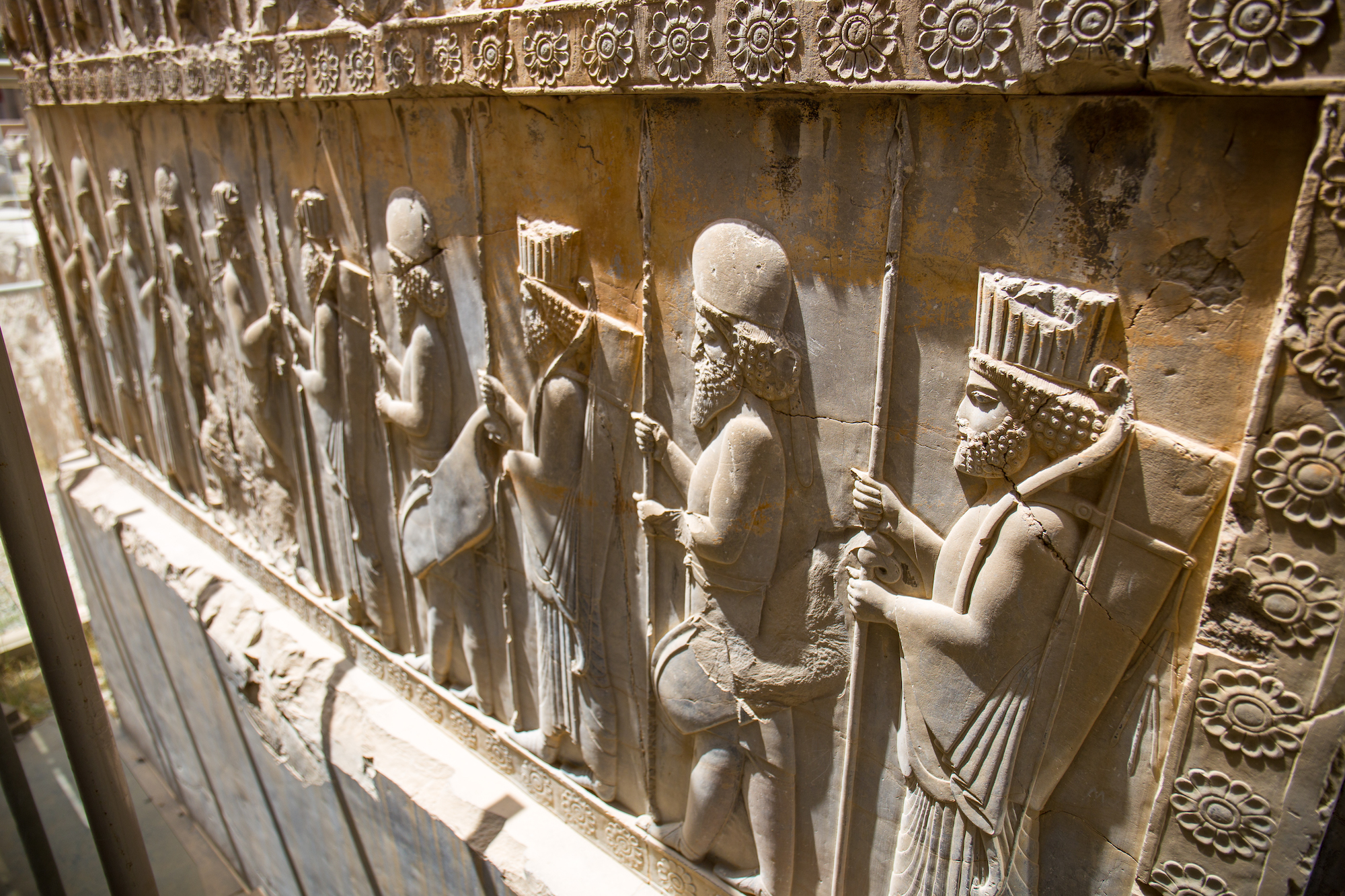
Among the must-sees around Shiraz is of course Persepolis, the ancient capital of the Persian empire. Hand-hewn columns, figures and friezes as far as the eye can see.
 Auch der Maharlu Lake (Pink Lake) ist einen Stopp wert. Der Salzsee wird von winzigen roten Krebstieren bewohnt und erhält dadurch und durch gelöste Mineralien seine Pinke Farbe. Außerdem ist er das Zuhause einer Kolonie Flamingos.
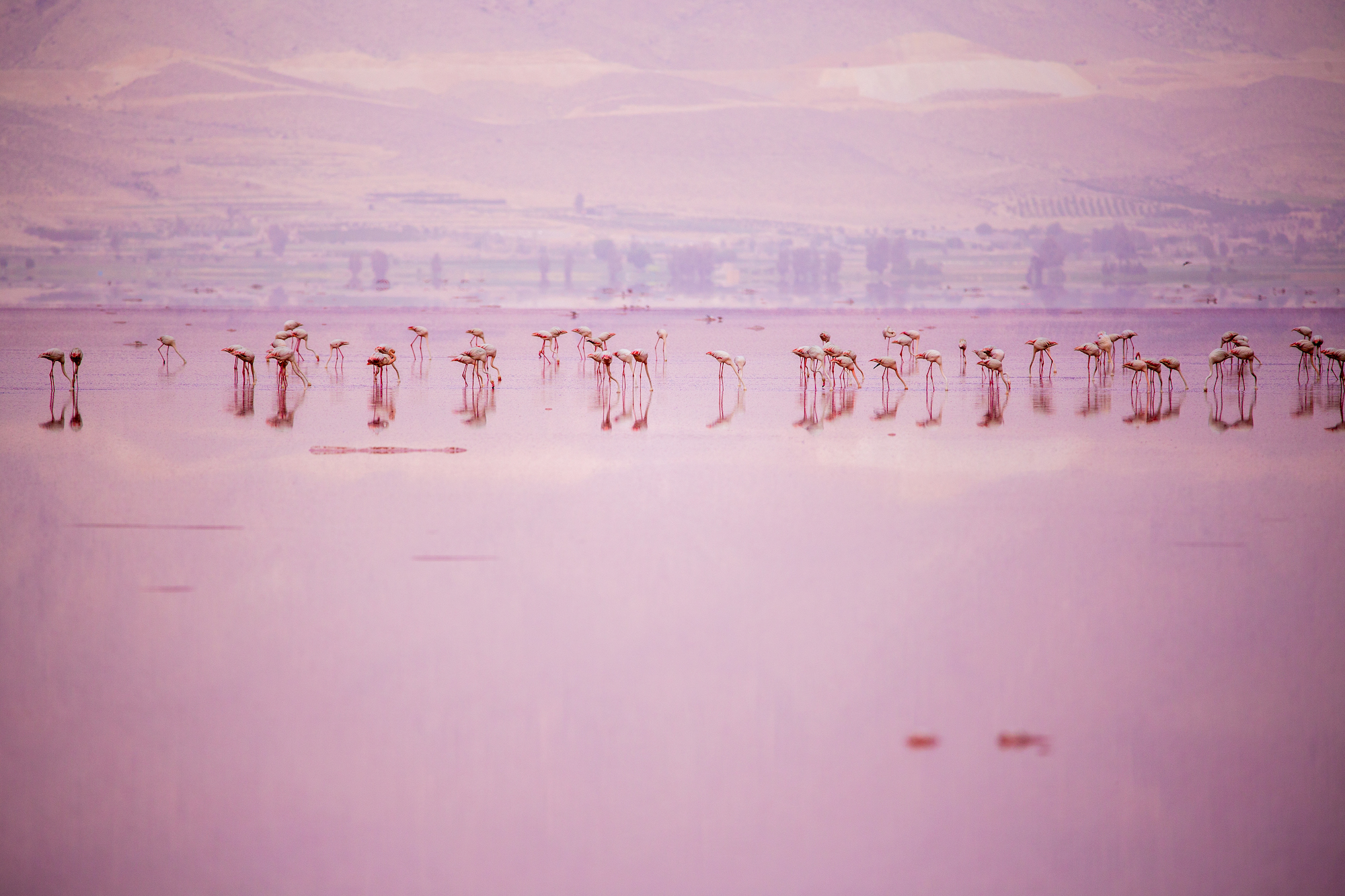
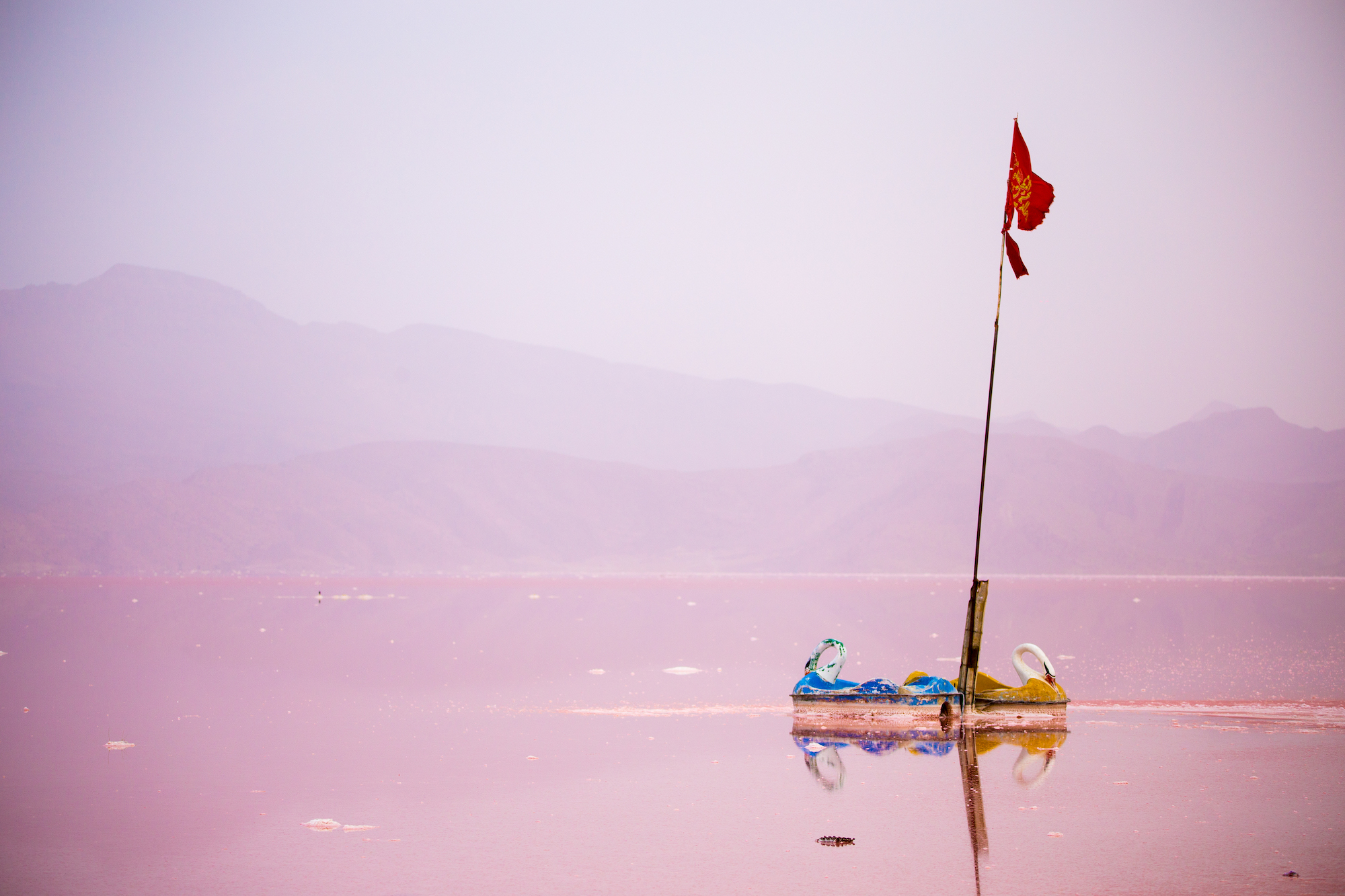
Did you know that a flamingo’s plumage only turns pink if it eats these red crustaceans or other shrimp? Without that food a flamingo would be white.
Kerman becomes the easternmost city on our route through Iran. We stop at a park again to sleep. In the evening an English-speaking gentleman comes by with his family. In no way behind on Iranian hospitality, he asks whether we need anything. As it happens, we do need water. No problem. He owns a small car dealership, so we conveniently fill up our water tank there. Even a shower is made possible for us. The invitation to eat together with his family that evening is, of course, a given.
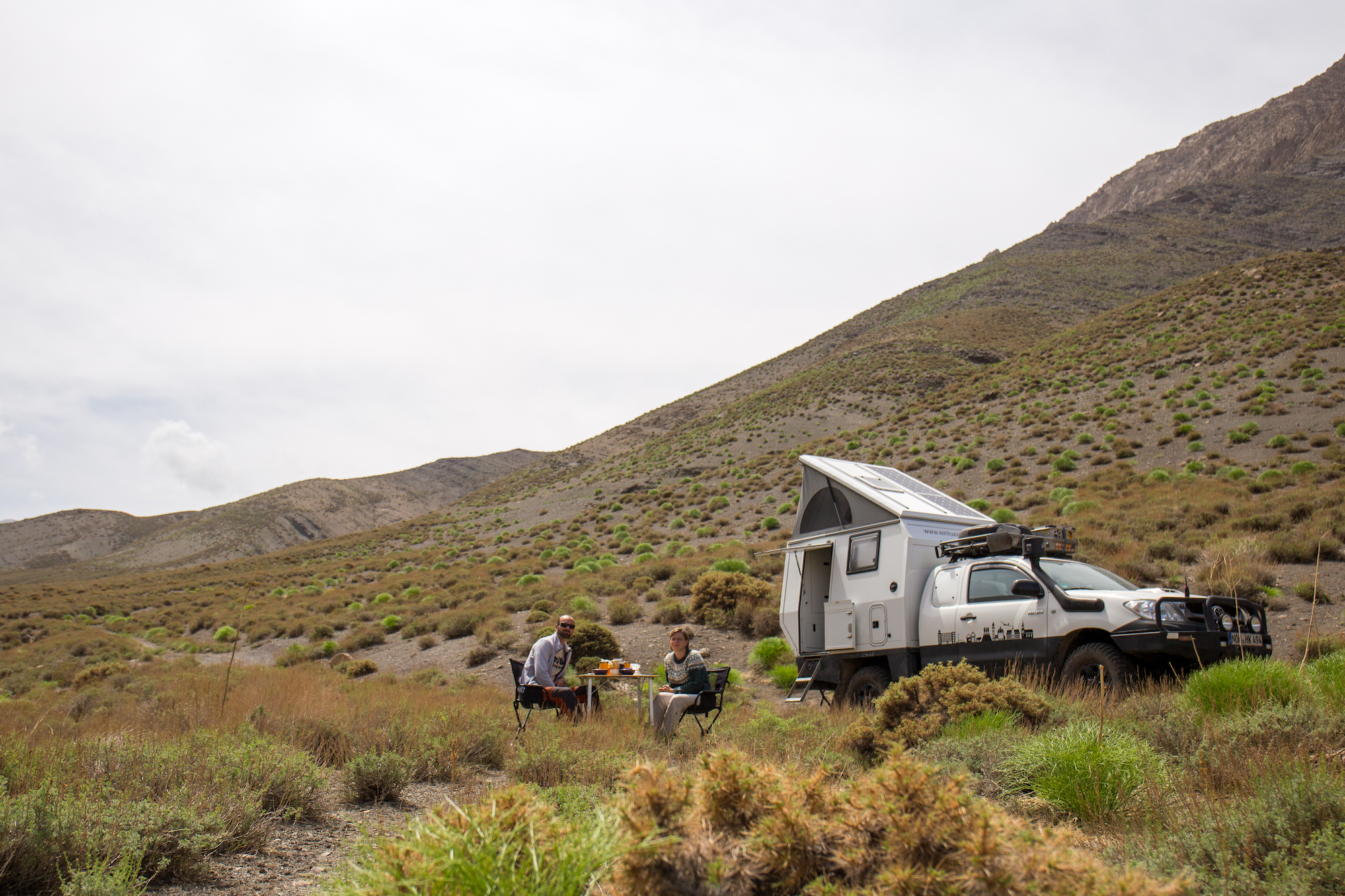
A little further east we cross a mountain range (Kuhrud). Behind it stretches the Lut desert. Driving in is only allowed with a permit and a guide, so we only briefly graze the edge. Even so, we promptly get stuck, but we can help ourselves out with simple means in the blazing sun at 46°C in the shade.
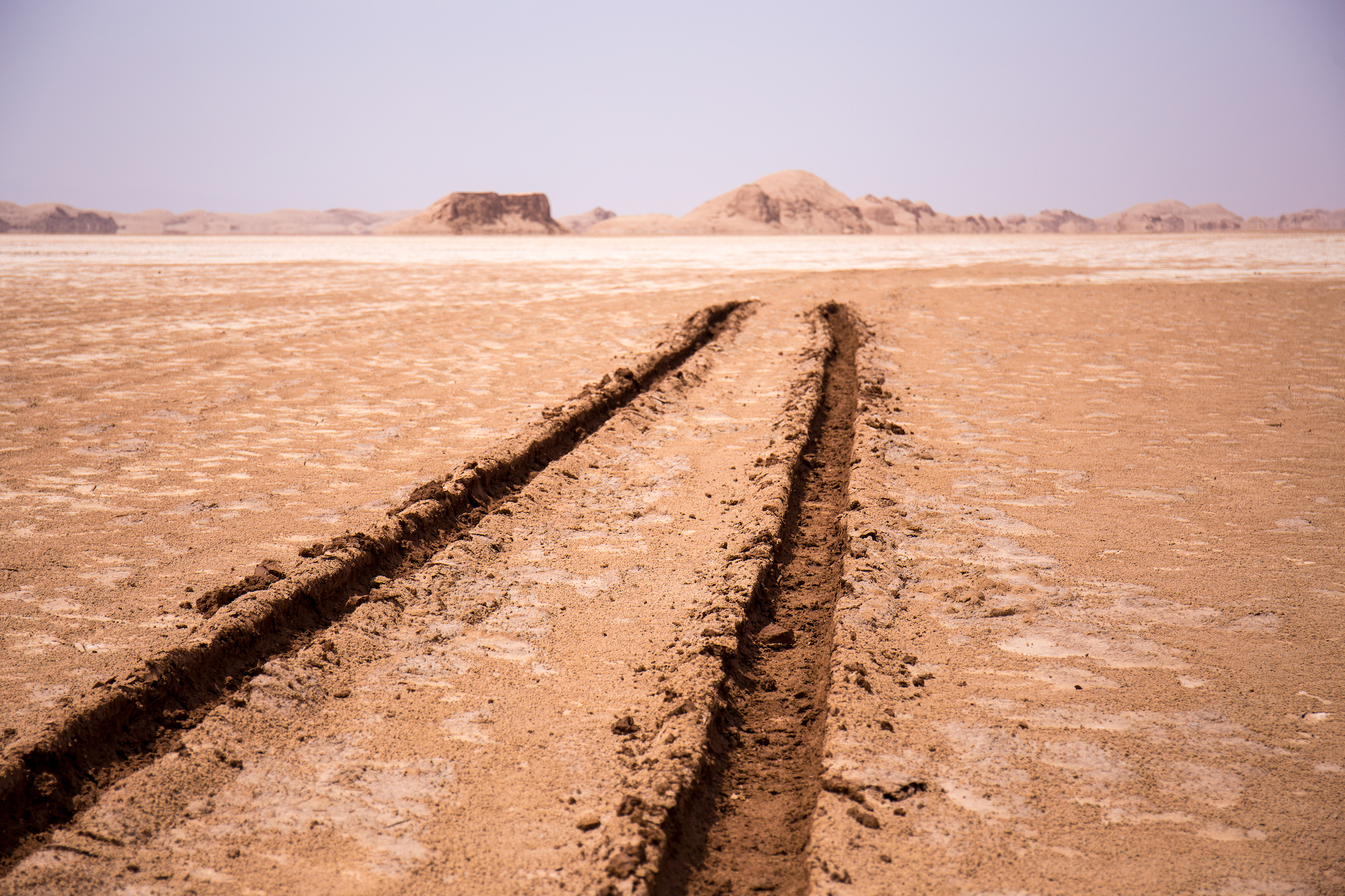
After this short excursion into the heat, we again prefer the far cooler mountain region and spend a few days there in complete peace.
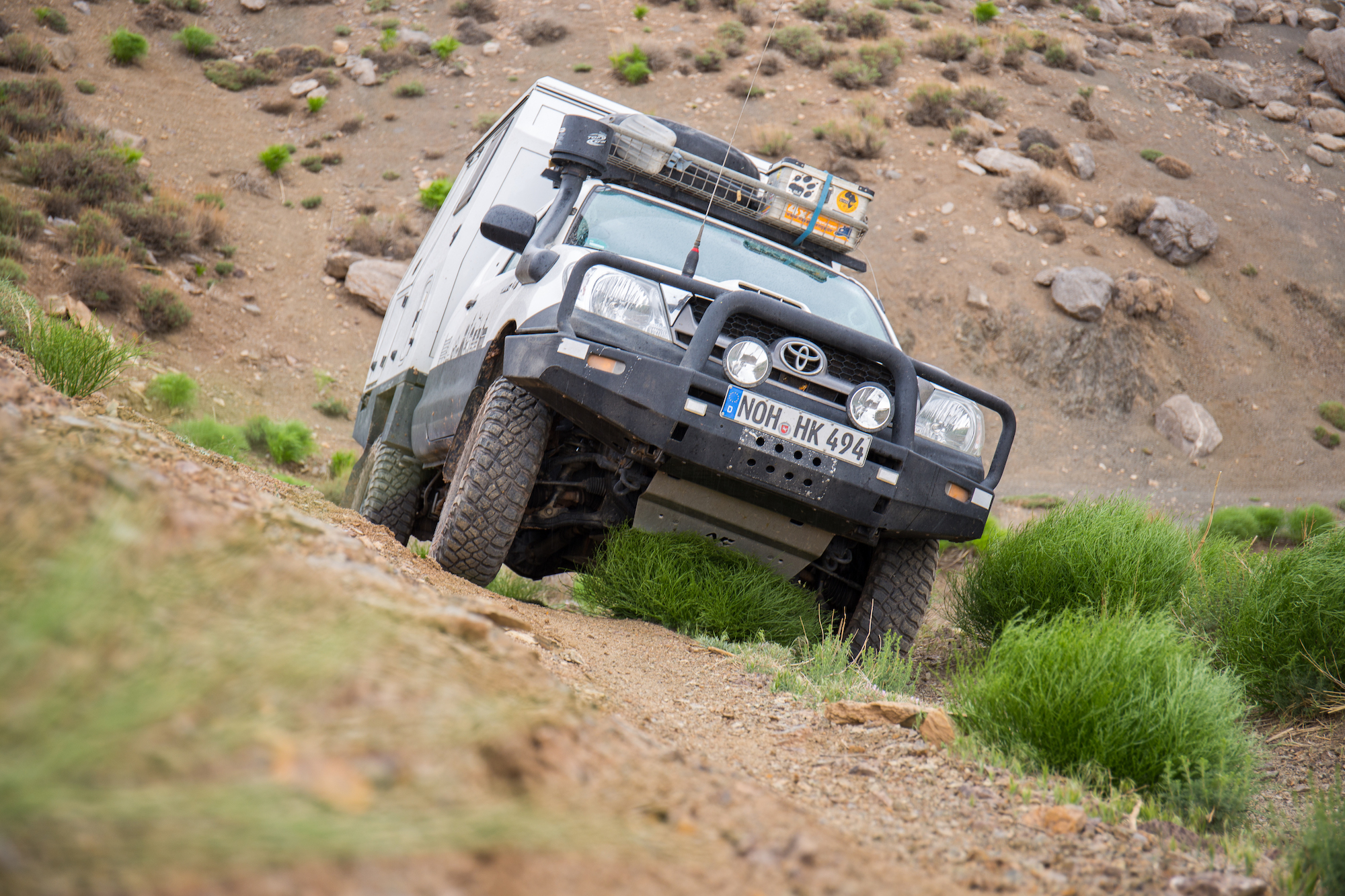
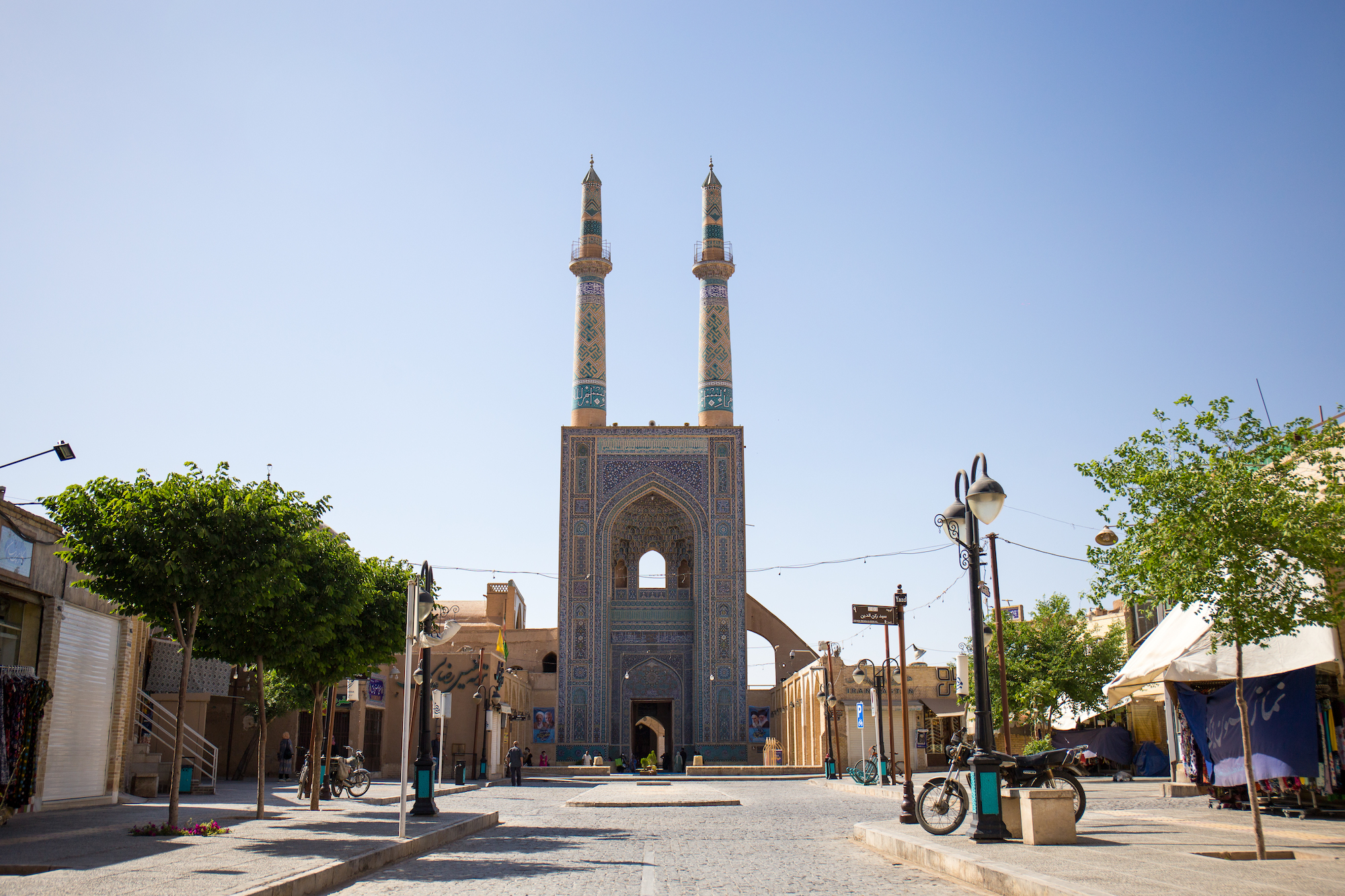
We head back more towards the interior, to Yazd. Well known among overlanders here is the “Silk Road” hotel. And so, pretty much for the first time since arriving in the Middle East, we meet other overlanders there. From the hotel car park where we spend the night, everything worth seeing is within walking distance.
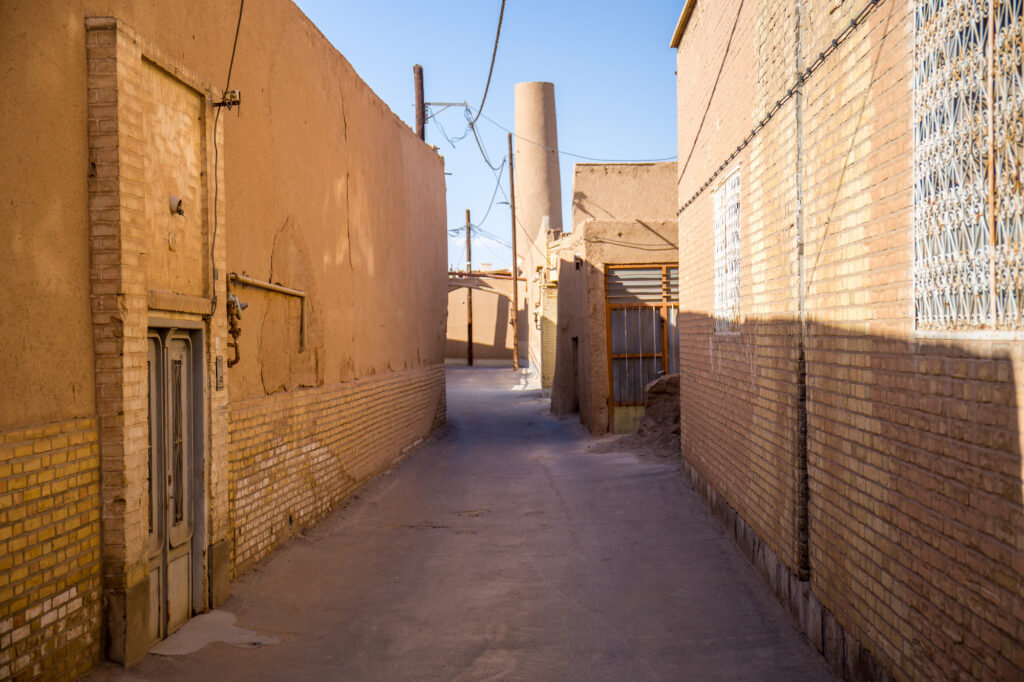
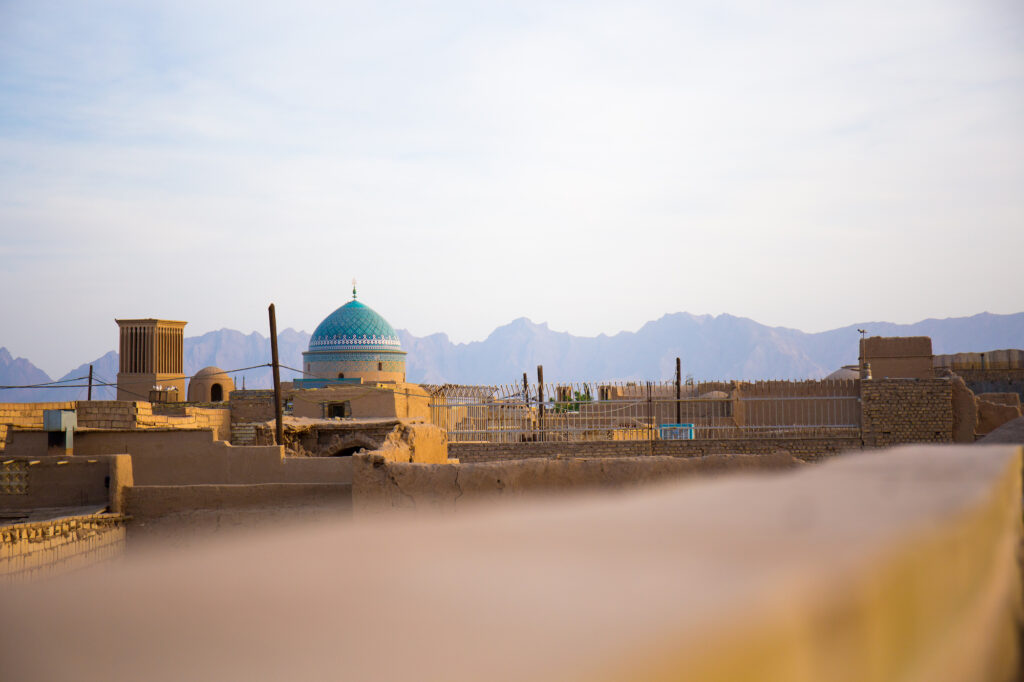
Especially at dusk, a walk through the narrow alleys of the mud-built old town is beautiful.
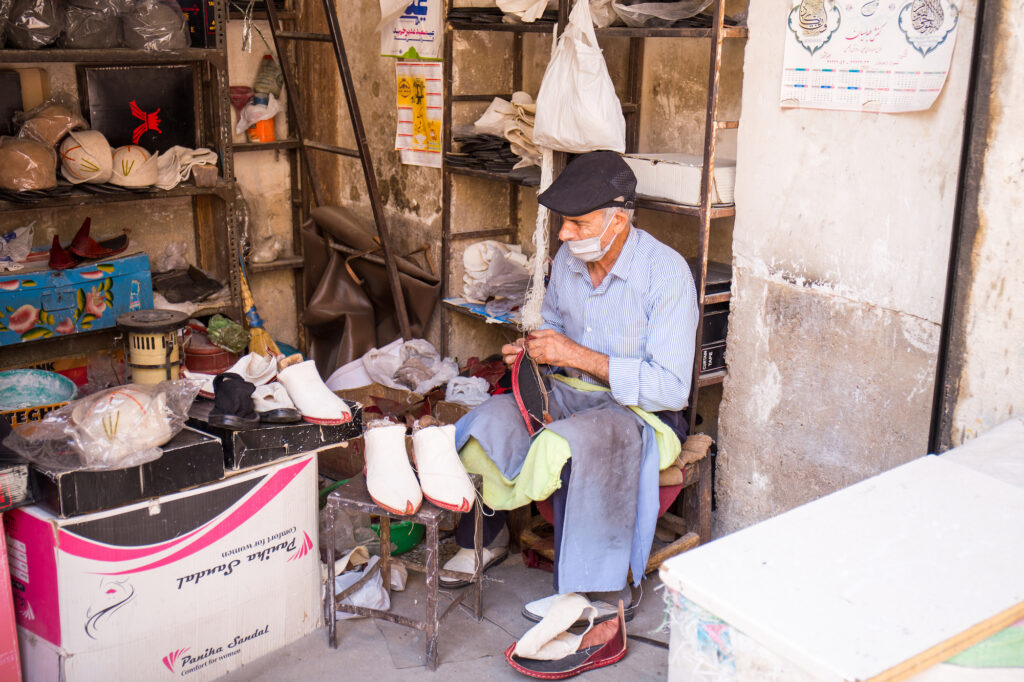
Of course there’s a bazaar here too, with everything you can imagine (tea, spices, cobblers, goldsmiths…).
Next stop is Isfahan, the (for us) most beautiful city in Iran. We find a hostel in whose garden we can park the Lux and sleep in it. Here too everything is comfortably reachable on foot while our vehicle stands safely parked. We stay several days and get talking to other travellers and the young Iranian staff.
A Swiss woman tells us about her encounter with the police. She’s travelling with a backpack and has come by bus from the Iranian Kurdistan region to Isfahan. On the way the police stopped the bus, pulled her out and took her to a station. For two hours she had to face questions such as: Where have you been? Who did you meet? Who are you in contact with? Why are you here? Her phone (photos and contacts) was checked too. She doesn’t know how the police knew which bus she was on or why she was questioned. Later in our journey through Iran we keep hearing stories like this. We ourselves were only stopped a few times at police checks on the road. Mostly we had to show our passport and driving licence and that was it. All of this makes it clear that the government suspects and fears espionage. The accounts give us pause, trigger a slightly uneasy feeling and remind us once more to be careful. Iran really is special, and no travel country for “beginners”.
It’s currently Ramadan, the Islamic month of fasting. Officially, eating and drinking are forbidden from sunrise to sunset. Restaurants only open around 7:30pm. Small shops and the bazaar are open all day. What we experience is that most Iranians don’t fast. None of the people we meet fast. On the street, people still eat and drink during the day, if more or less secretly. The headscarf, too, is often worn only half-heartedly and just hangs over the bun. If a police officer or other official comes by, it’s quickly pulled up a bit. You sense an underlying revolt among the people. No one would ever dare say anything against the government officially, but behind closed doors we did hear the odd critical word. Many reckon with a revolution in the next two years. We’d wish it so much for Iran and its people. They are such warm, ambitious and hard-working people, who deserve to live with more freedom and self-determination. Under normal conditions the country would surely have great economic potential.
In Isfahan we take in all sorts of things. Mosques, palaces, the bazaar and the famous Naqsh-e Jahan Square.
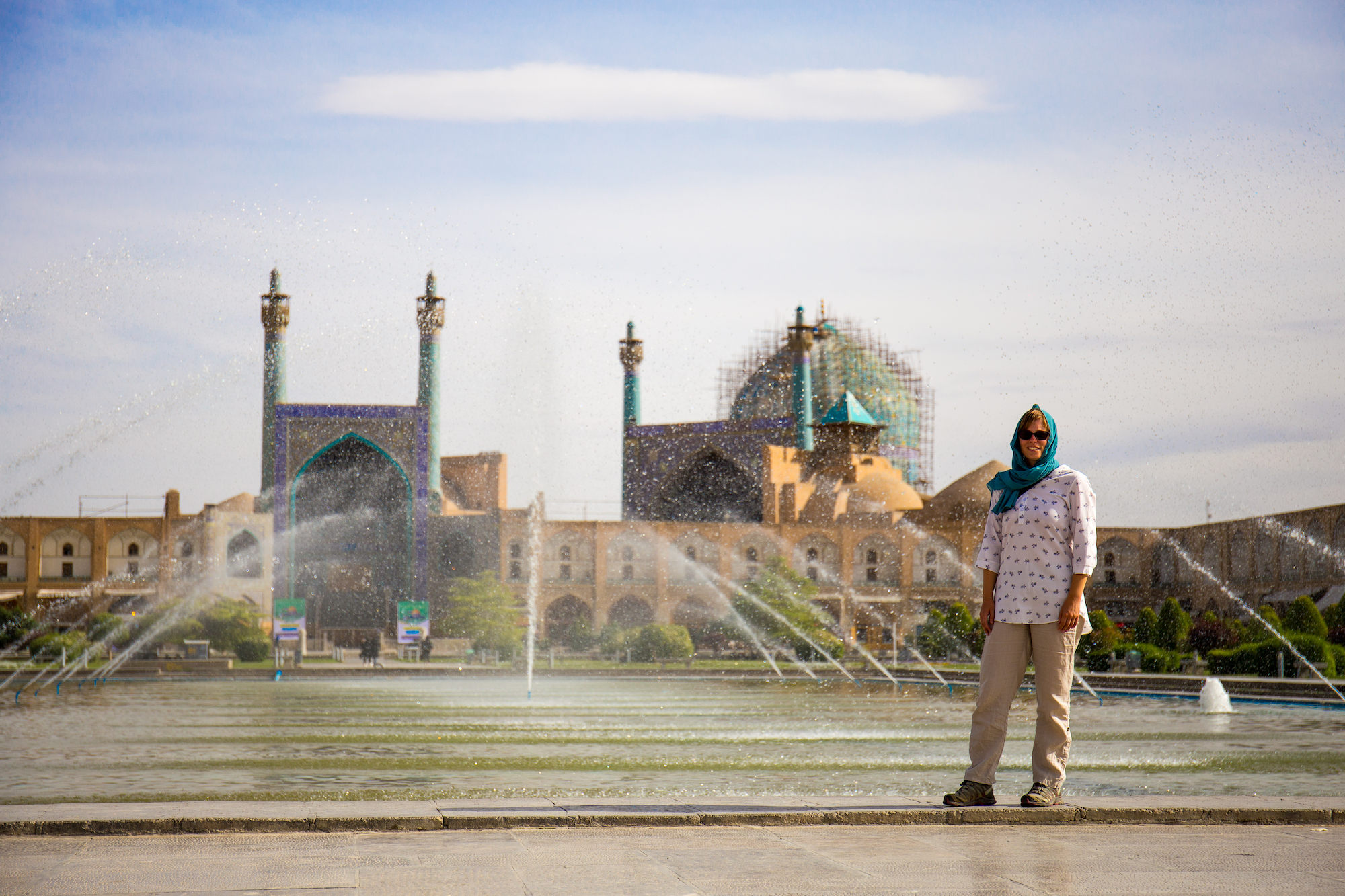
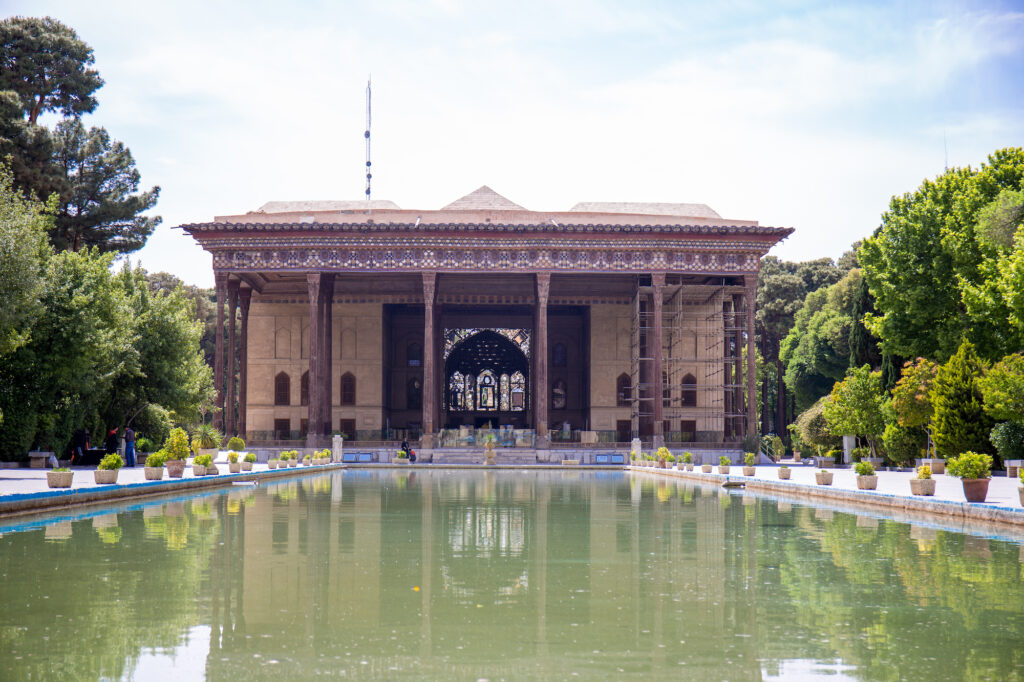
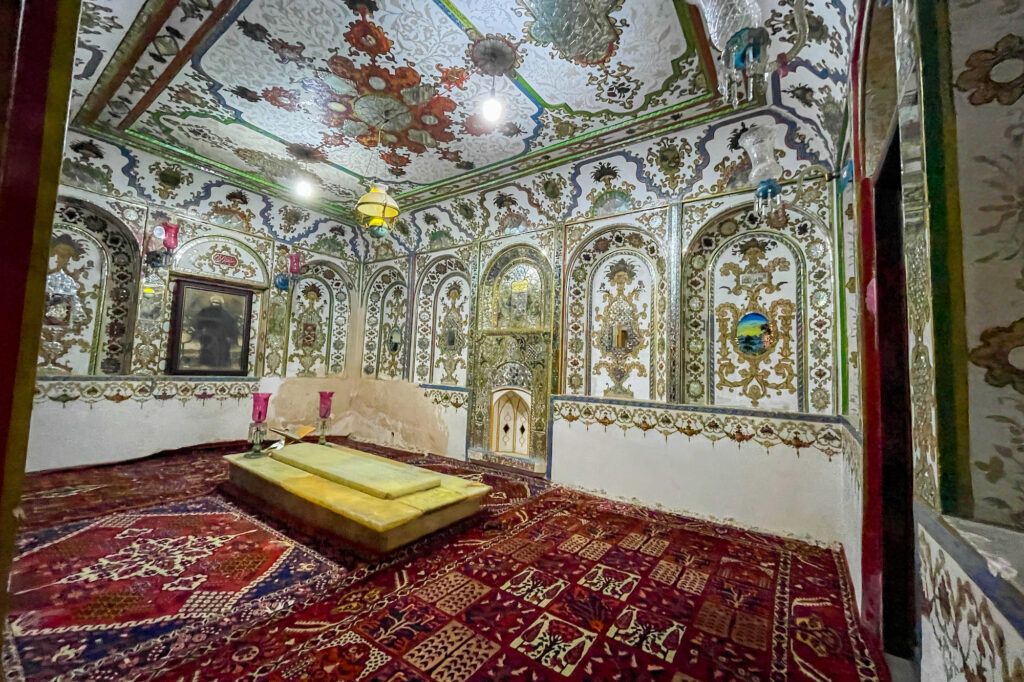
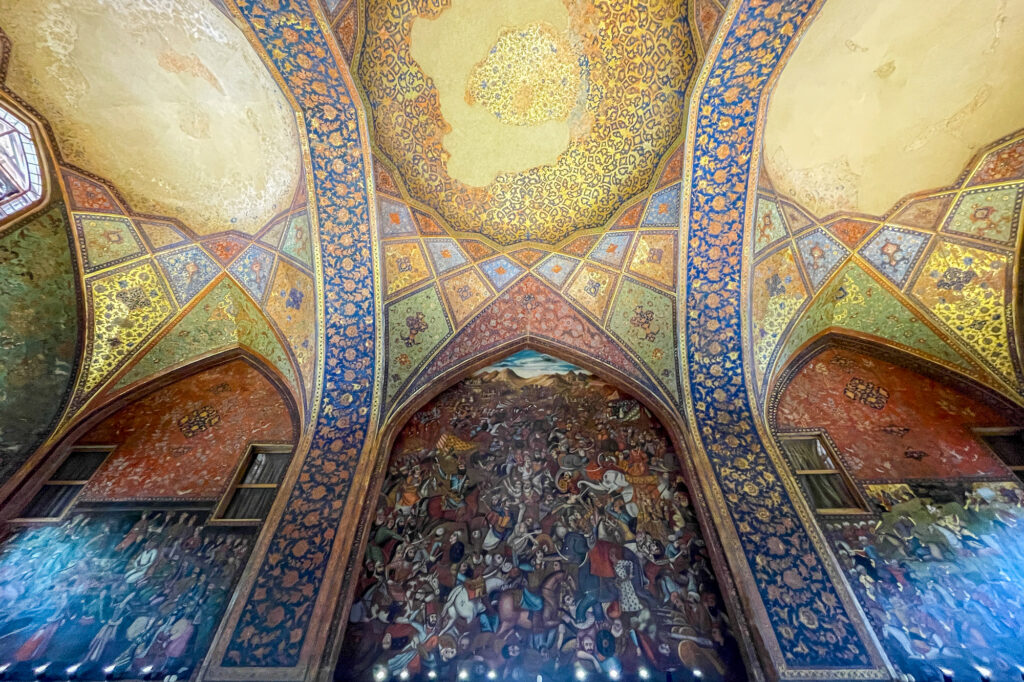
We also see the inside of a few carpet shops, as we want to buy a Persian rug. But a Persian carpet isn’t just any carpet.
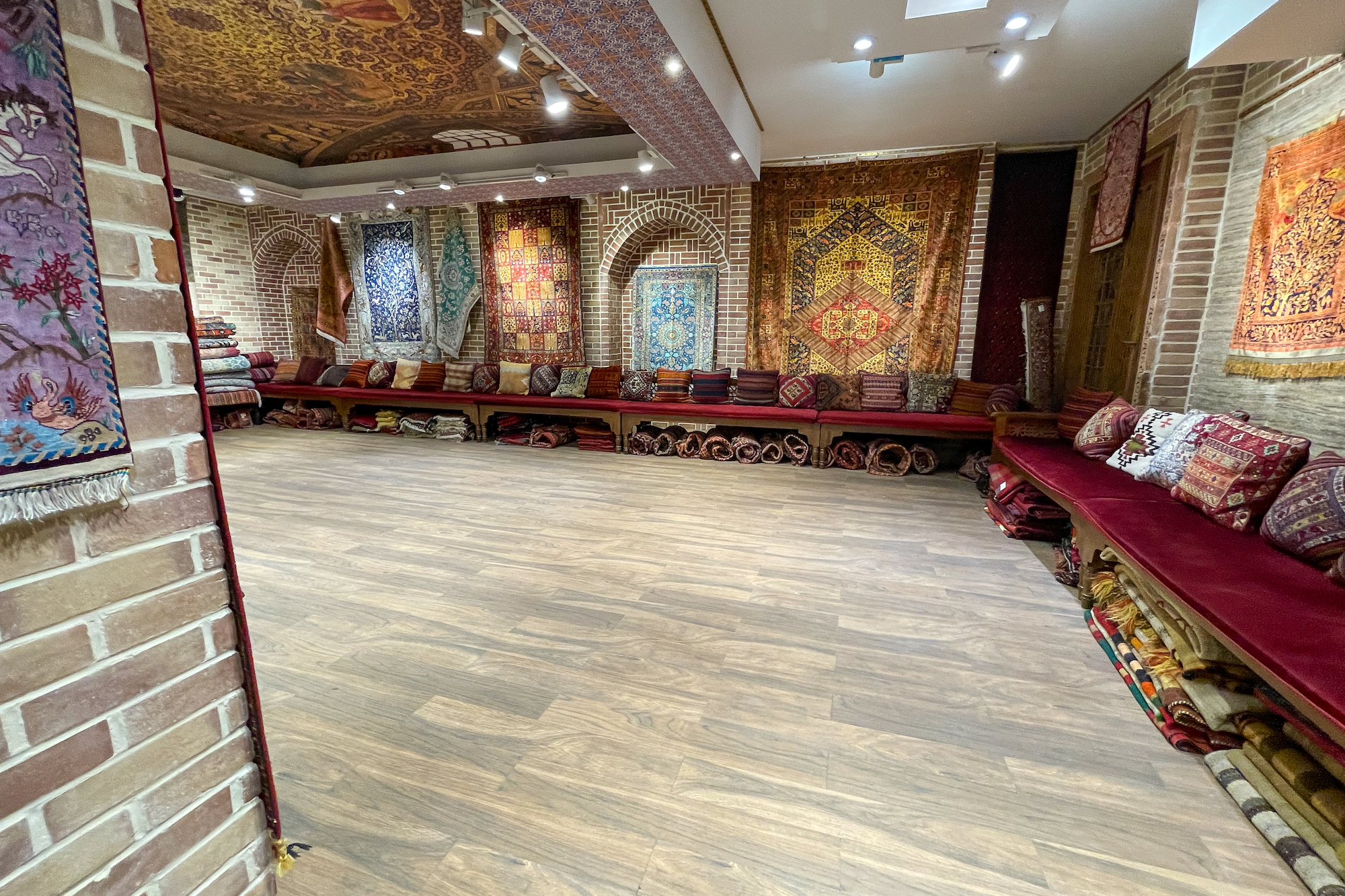
It quickly becomes clear that finding THE right one for us won’t be easy. Different patterns, depending on whether the carpet comes from the city or the countryside, different materials and knots, depending on which region the carpet was knotted in, and so on. But at some point we actually do find one for us. Even though the procedure of choosing and buying is rather nerve-racking, a visit to a carpet shop is worth it. The variety, the sellers’ explanations, are hugely interesting, and carpets are, after all, a big part of Iranian tradition and culture.
Originally we wanted to carry on from here to Tehran, but as it’s slowly getting warmer and the capital is quite a challenge by car (from experience in 2015), we decide to head towards the mountains and the Iranian part of Kurdistan. We spend a few days in the mountains.
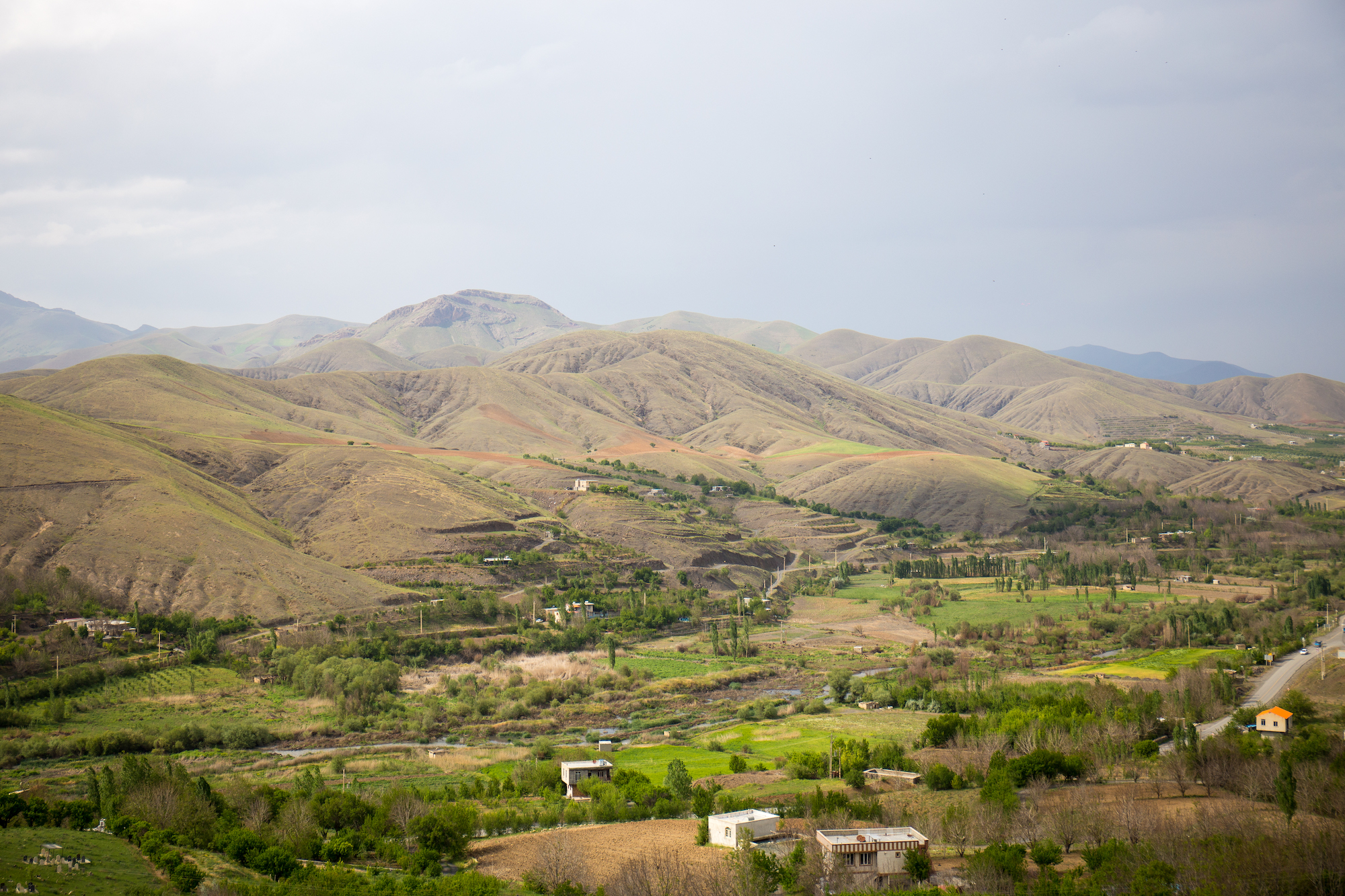
We visit a cave and let ourselves drift across the countryside with its many lovely, brightly blooming flower meadows. It slowly gets more mountainous and greener. After a short stop in Tabriz we fill up once more and then cross the border into Armenia.
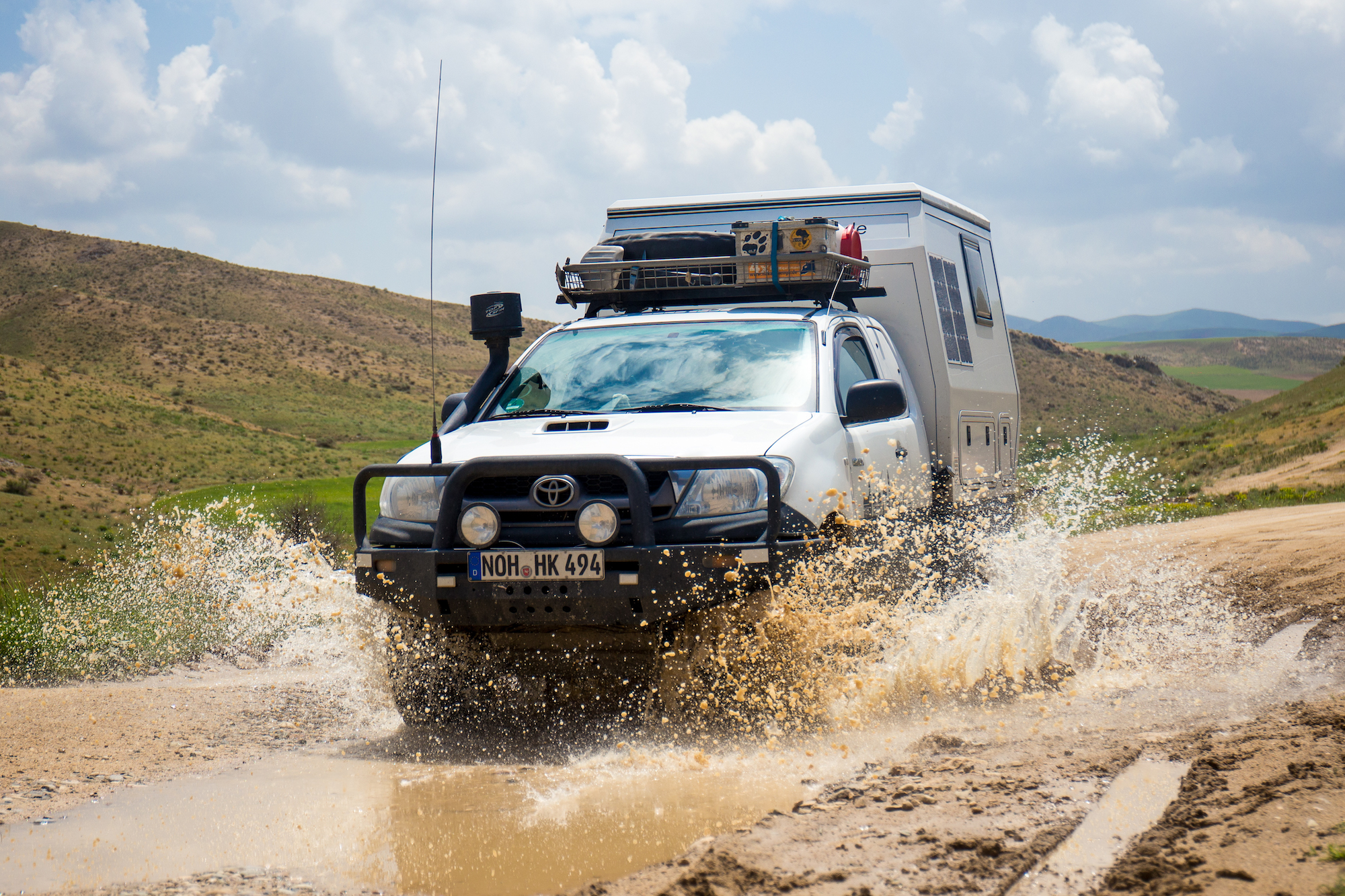
Filling up is always an adventure in Iran, at least if you drive a diesel. Diesel is very heavily subsidised in Iran, and really only companies are allowed to drive on it / get it. Converted, the subsidised litre of diesel costs €0.01. Truck drivers have a fuel card. On it is a monthly litre or money budget with which they get diesel at any filling station. As a tourist you don’t get such a card (or only with great difficulty and for a lot of money). Problem: no card, no diesel. So at the filling stations you always have to ask the truckers whether you can fill up a bit on their card.
In 2015 this was still quite easy to do. This year we notice the drivers have become a bit stingier. Mostly we got between 10 and 30 litres per driver. At smaller filling stations, where not many trucks pass or stop, filling up can then take a while. And when asking the drivers there’s always the language barrier on top. Most only speak Persian, so you try it with hands, feet, Google Translate and a few words of Persian you’ve picked up. In the end it always somehow works, and often we were even given the fuel for free.
On the Iranian side the border goes super quickly. On the Armenian side we’re checked and processed as elaborately as never before on the trip. Lots of paperwork, waiting and even an X-ray of the car followed by a manual search. The gruff, warm-hearted Russian mentality comes at us. Good that we already know this from Kaliningrad and Russia and get along well with it. The first thing we do is head for a supermarket and are delighted to find many familiar products again, which isn’t the case in Iran (because of the sanctions). On top of that, for the first time in six months there’s pork here again, and with it proper sausage.
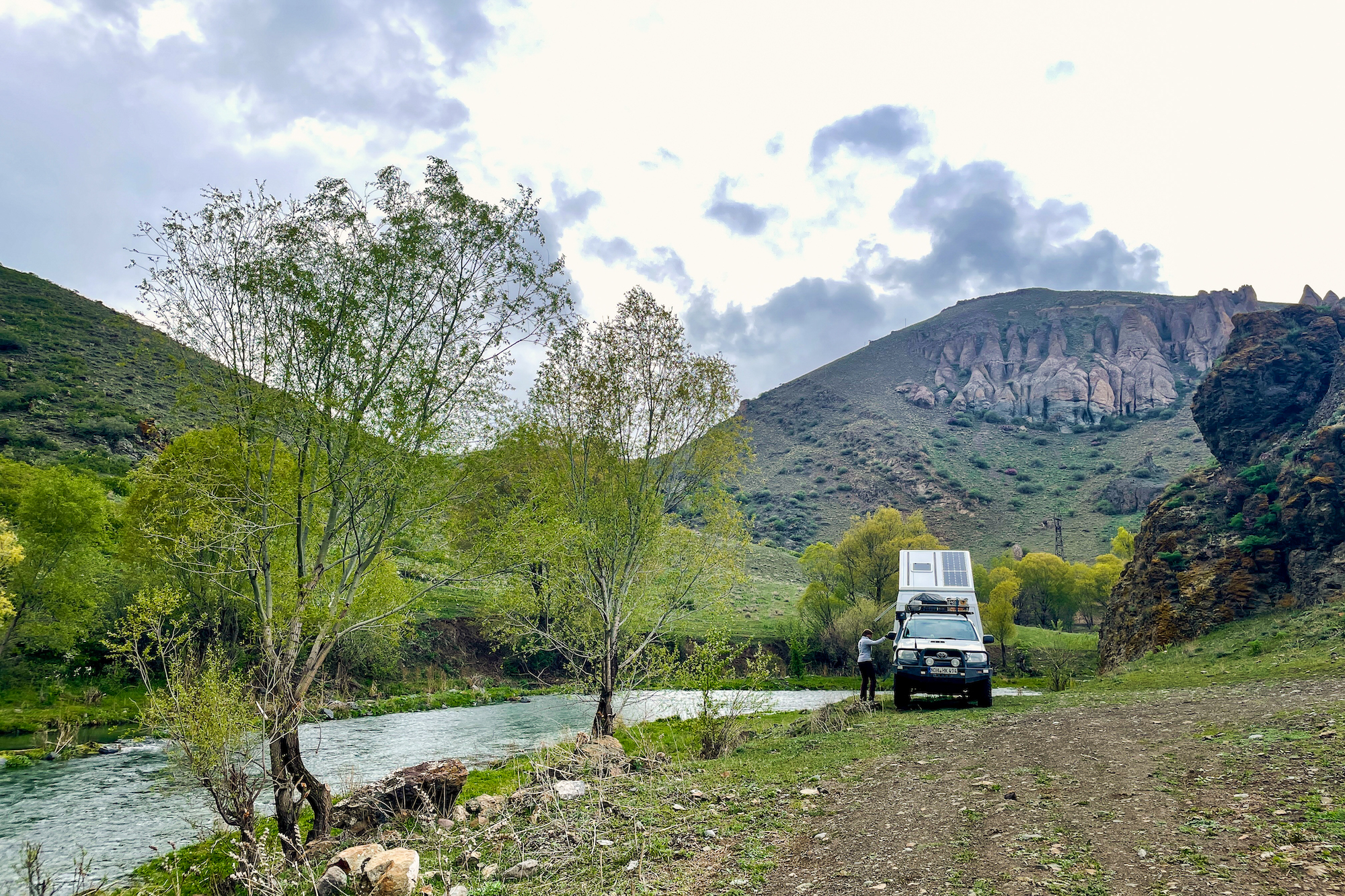
We spend the night by a river and are woken at 6:30 in the morning by the farmer on his horse, who wants to know whether we’re all right.
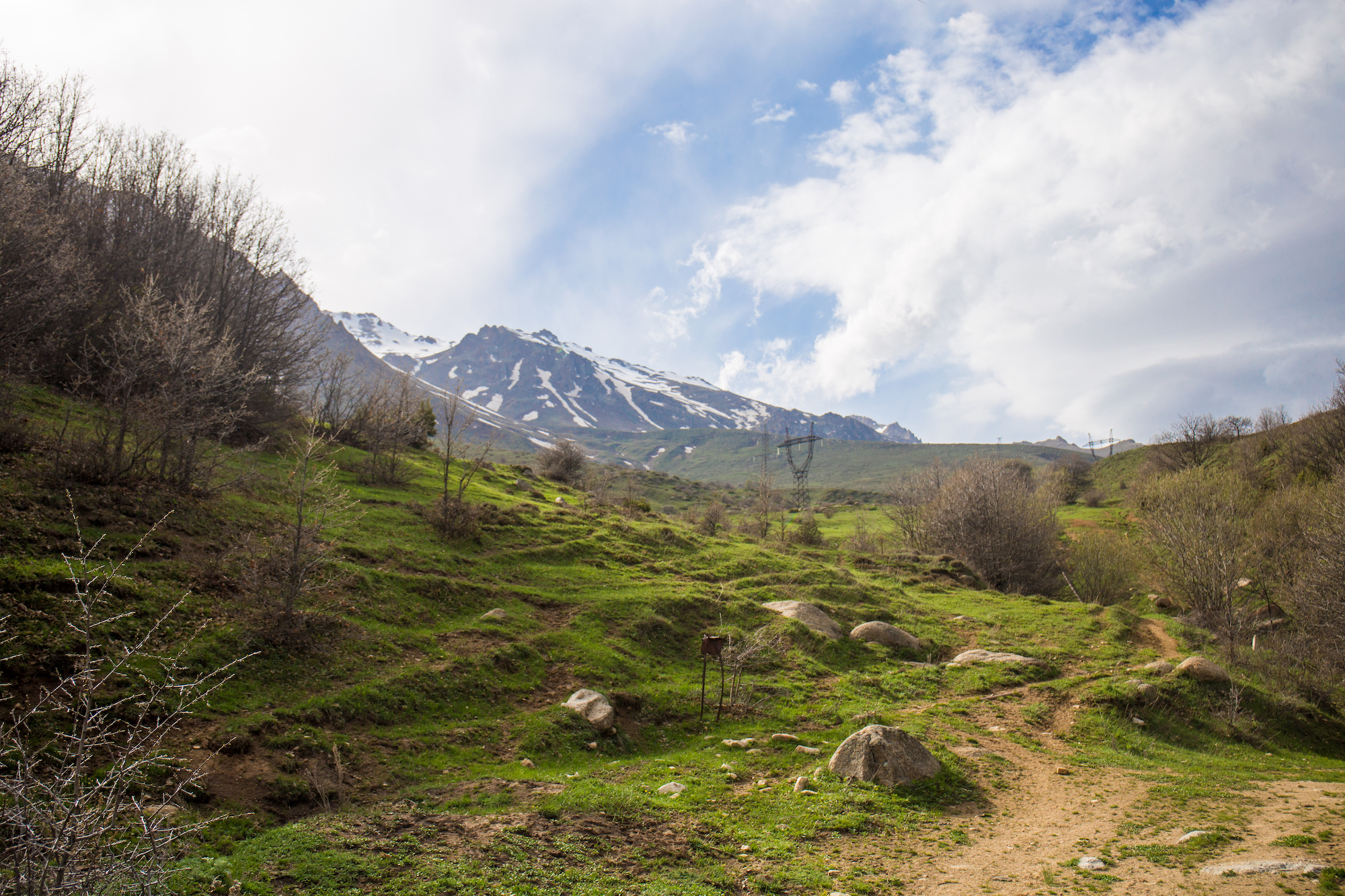
We’re incredibly happy to see green trees and meadows again after five months. Some passes here are still snowed in, so you can’t drive everything (it’s early May). We take a look at some of the wonderful monasteries, some of them still working today.
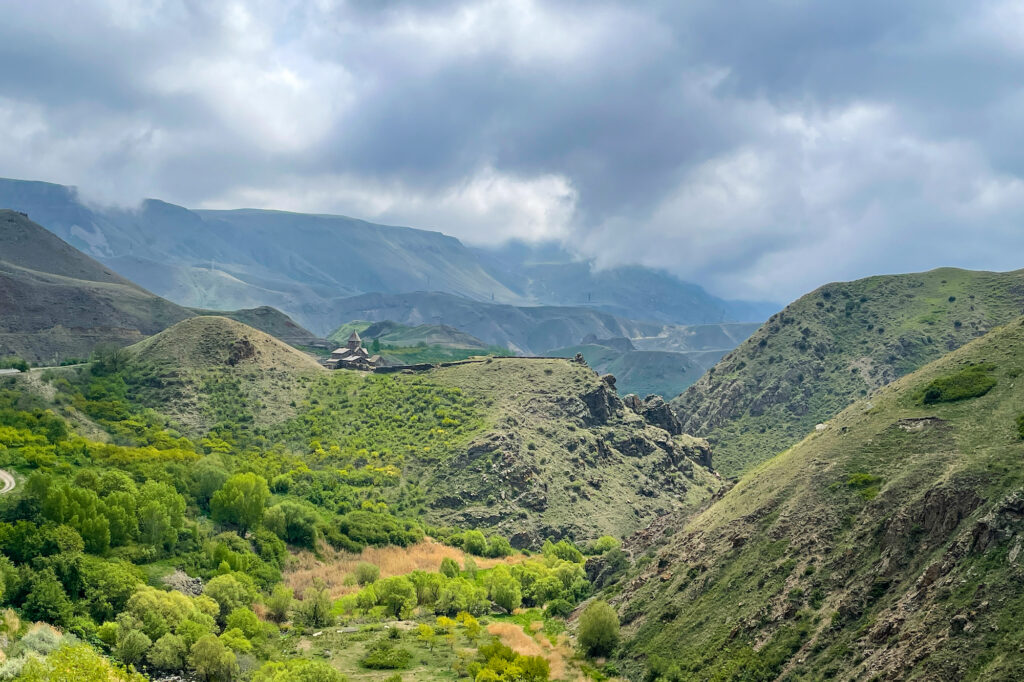
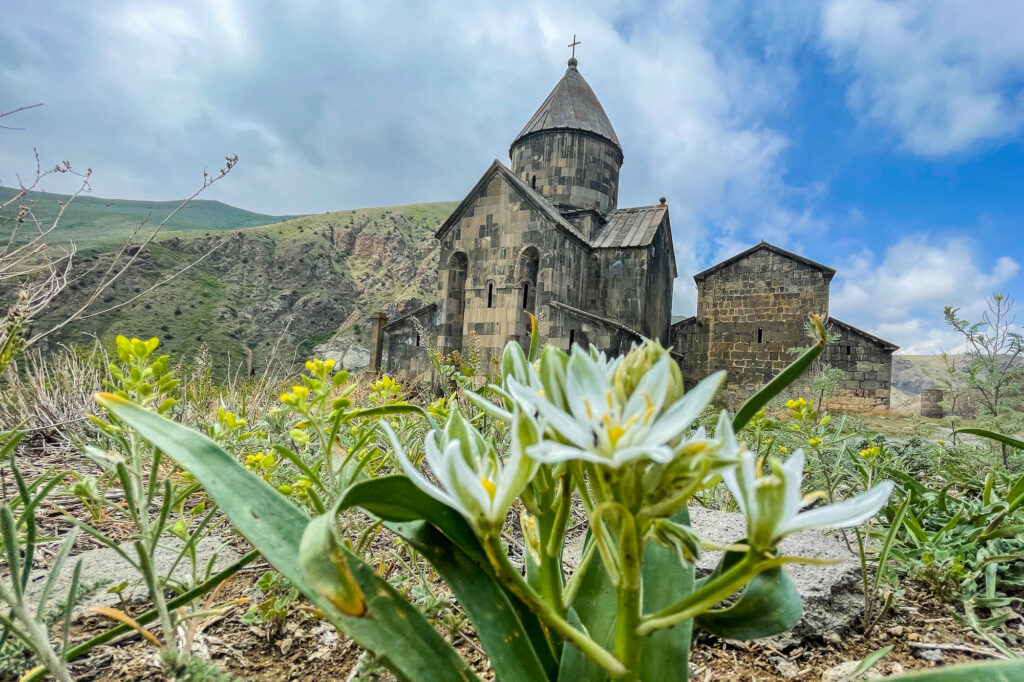
Armenia was the first country in the world to declare Christianity its state religion. We see a waterfall and drive to a WWF viewpoint for bears and mountain goats. We’re a little baffled when, following the signs, we suddenly find ourselves on private property. An elderly lady stands on the veranda and eyes us. Linda addresses her in English, but the lady sadly only understands Armenian and Russian. With hands and feet we explain to her that we’d like to see the animals and ask whether we’re in the right place. She laughs, understands and disappears into the house.
A short while later she comes back with a big pair of binoculars on a tripod, sets it up on the terrace, takes a look through, grumbles “Ahh!” and, with a wave of the hand, signals that we should look through. With a single glance she’s spotted the mountain goats on the opposite mountain. Charming little creatures, but very high up on the mountain and hard to make out even with the binoculars. With Google Translate we work out that they probably come down in the evening to drink at the stream. Below the lady’s terrace is the official WWF observation post. We decide to lie in wait there for a while. Armed with camera gear, a blanket, water, biscuits and our binoculars, we make ourselves comfortable there.
It’s only 1pm, so a long time until evening. After nearly two hours, wind and rain set in. It gets uncomfortable and we start to pack up. But what’s that brown thing moving down on the other side of the valley? Bears! A great dream suddenly and unexpectedly comes true. In Romania, Finland and Russia we’d already tried to see bears, but without success. And here they simply stroll past us, almost unnoticed.
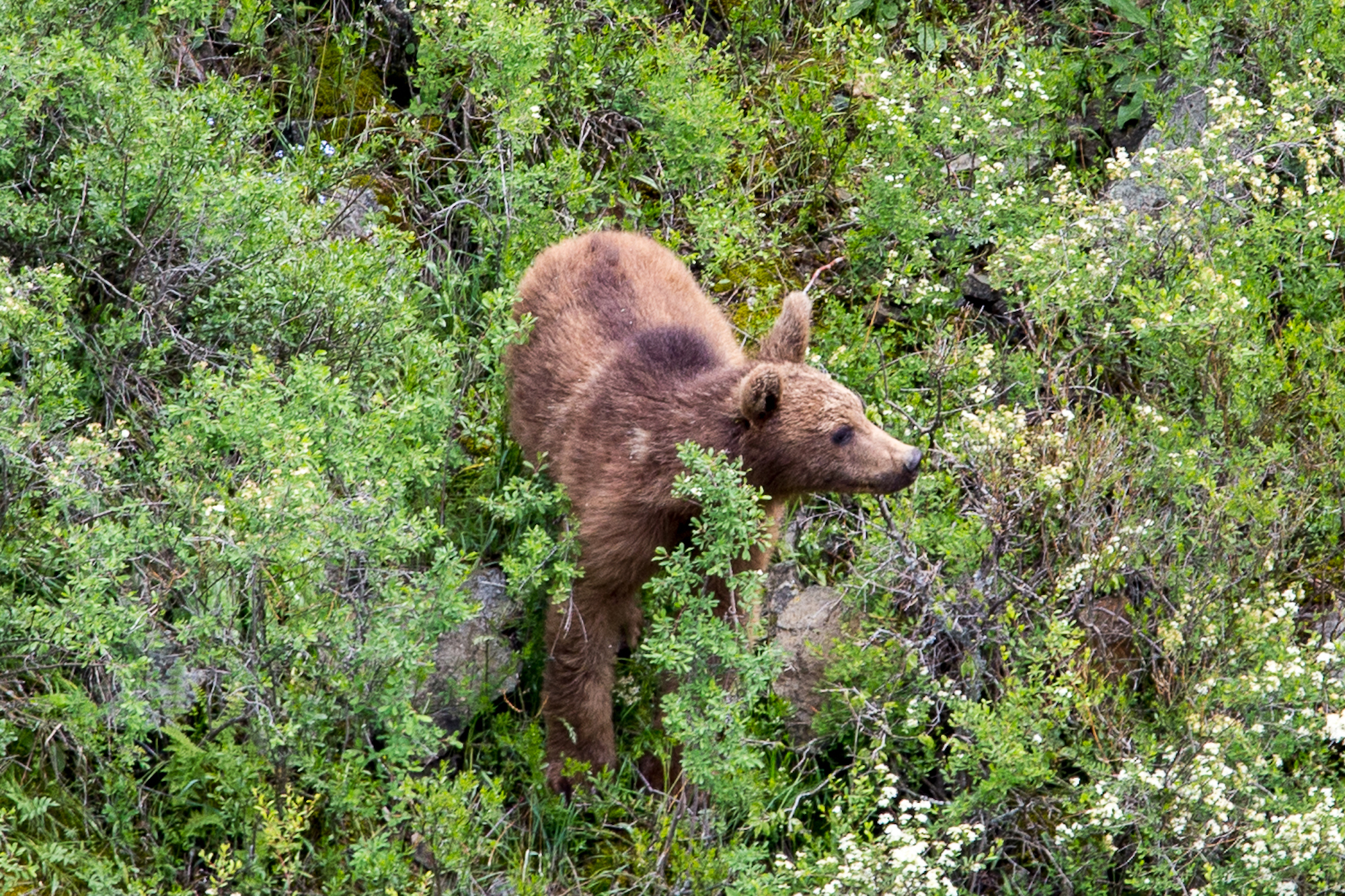
Happy and spellbound, we watch the two of them foraging for over an hour more.
We continue our journey via the spa and ski resort of Jermuk before driving on to Lake Sevan.
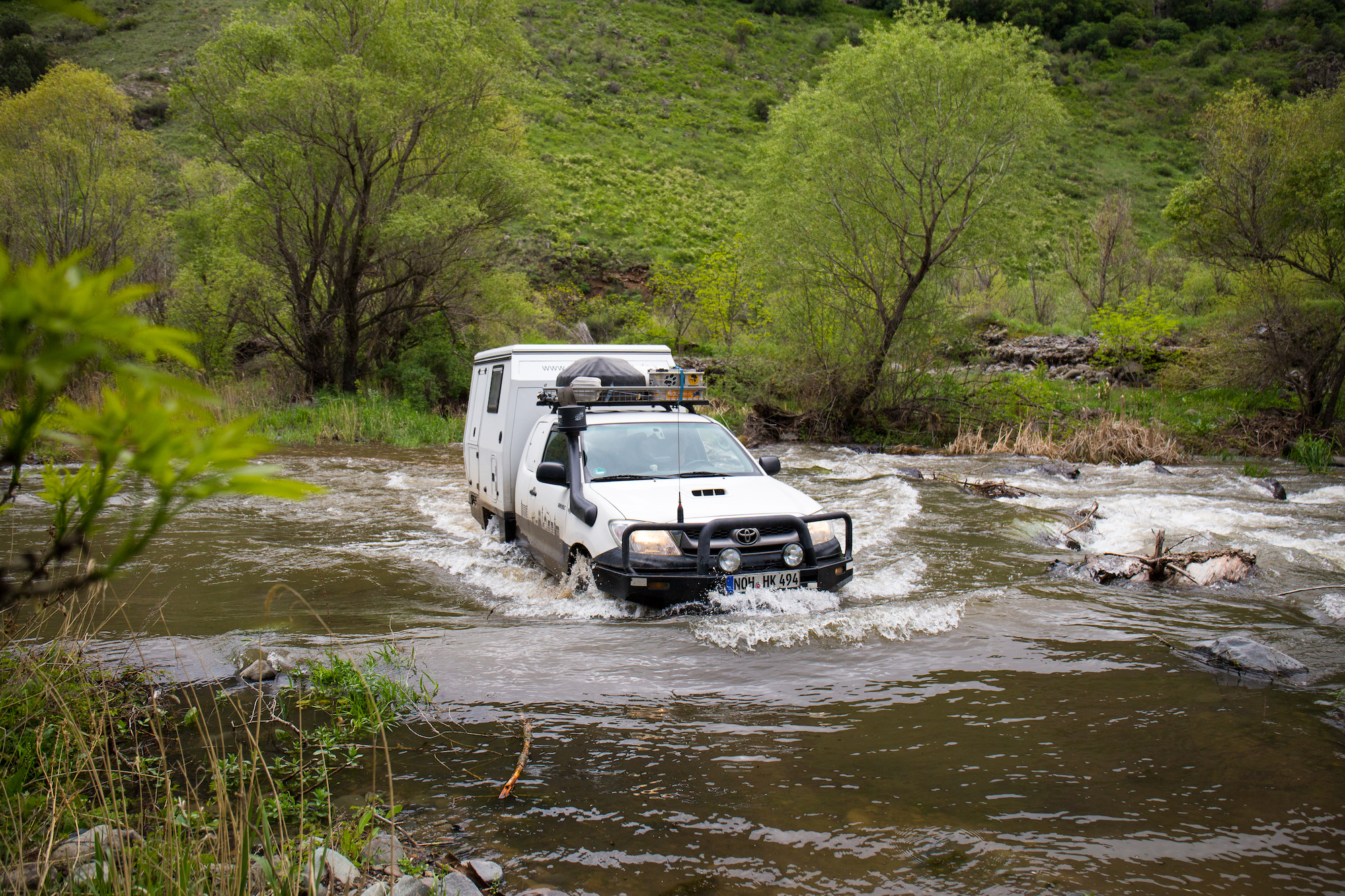
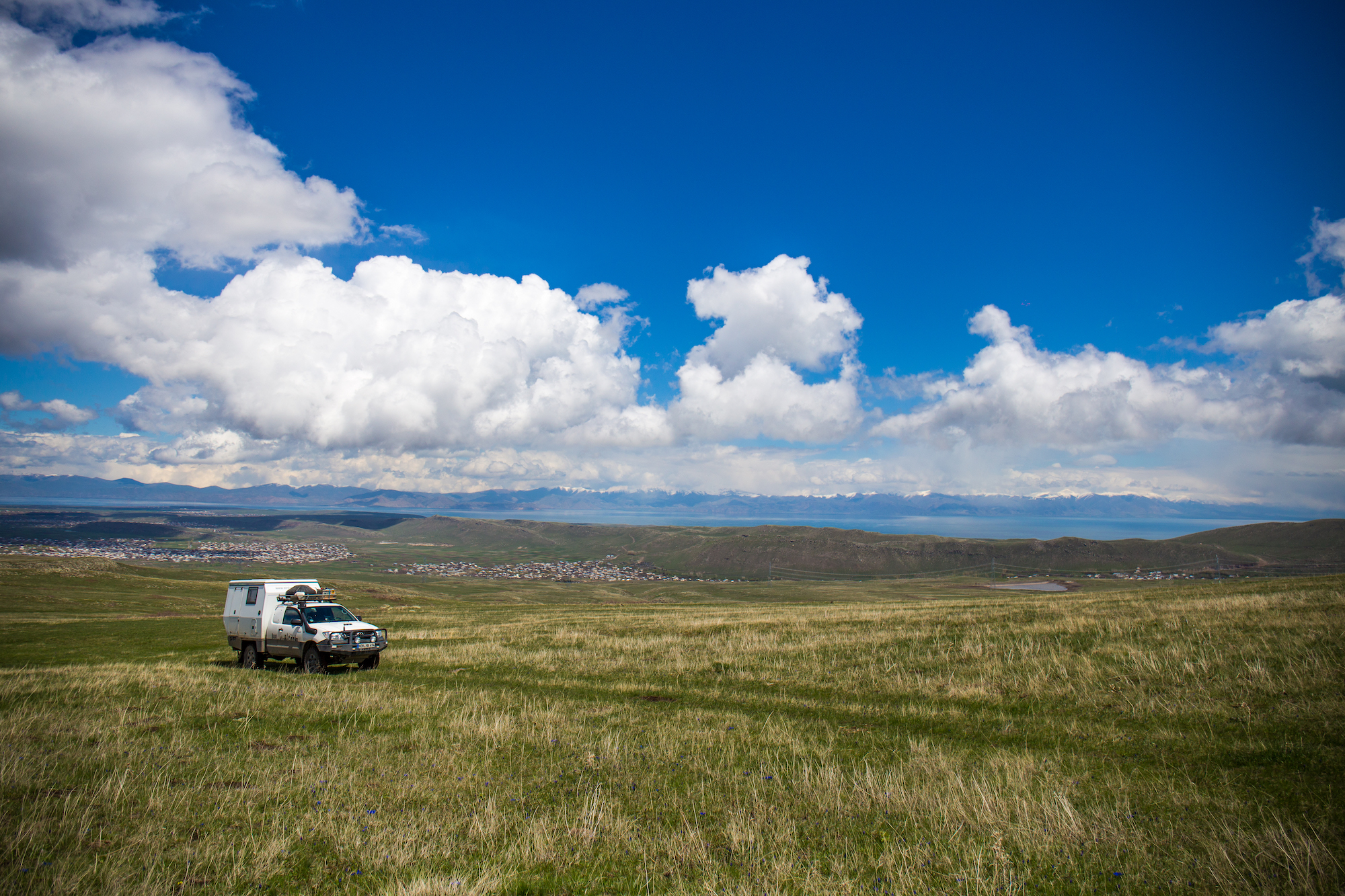
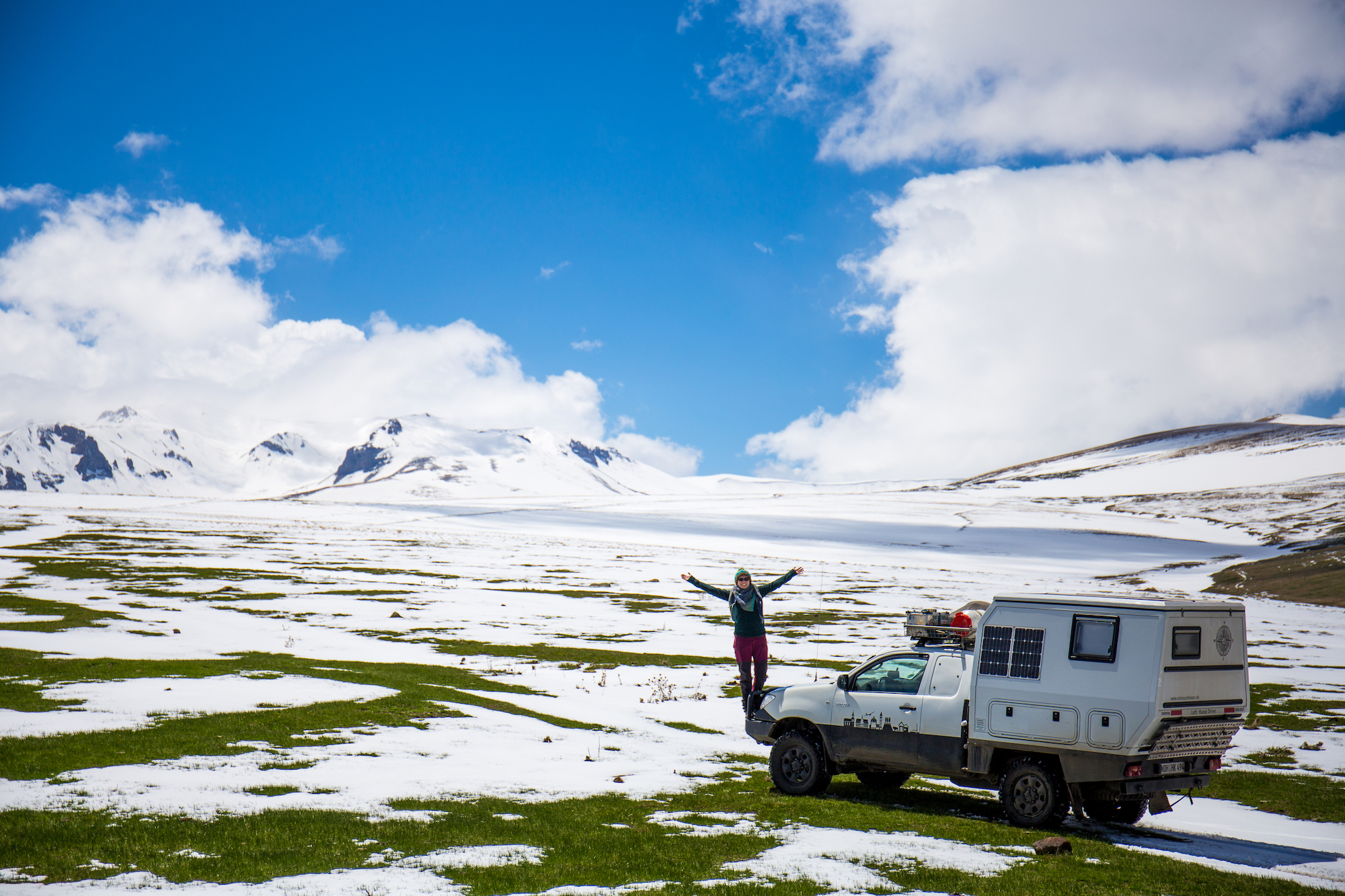
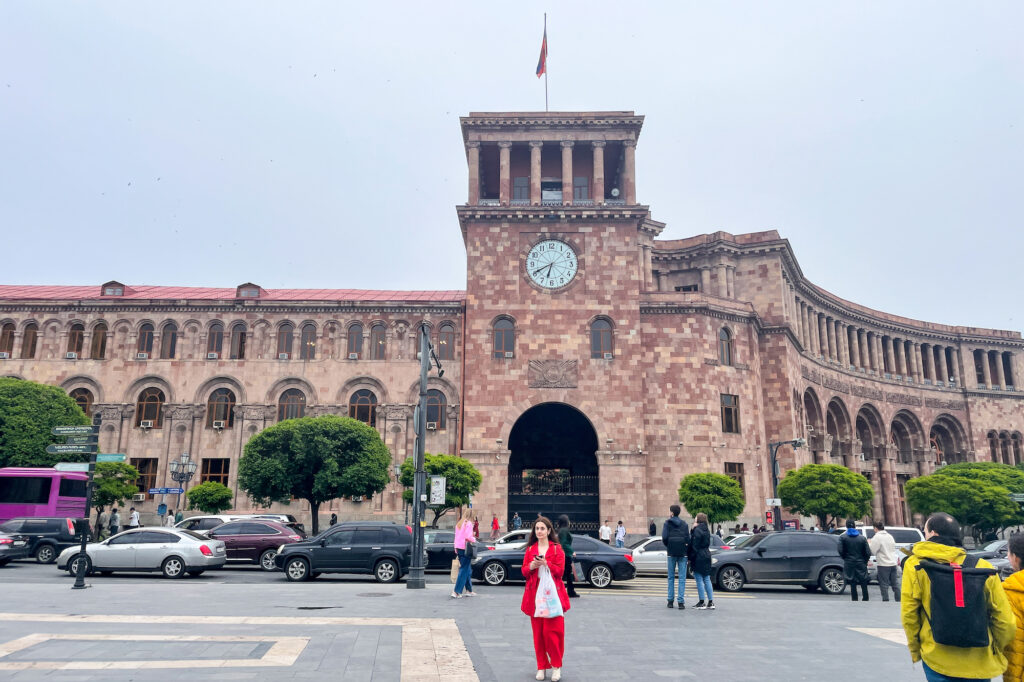
Here we try to drive over a pass, which in mid-May is still deep in snow. We spend the night at 2,700 m and even get snowed in overnight. The next morning the sun comes out. The snow melts quickly and we can drive back down without any trouble. So we take the normal road to reach Yerevan, the capital of Armenia. We like the little metropolis right away. An interesting mix of decay-marked Eastern-bloc charm paired with hip, modern cafés, boutiques and shops.
There’s a lot to see: many monuments, a market for handicrafts, museums and so on.
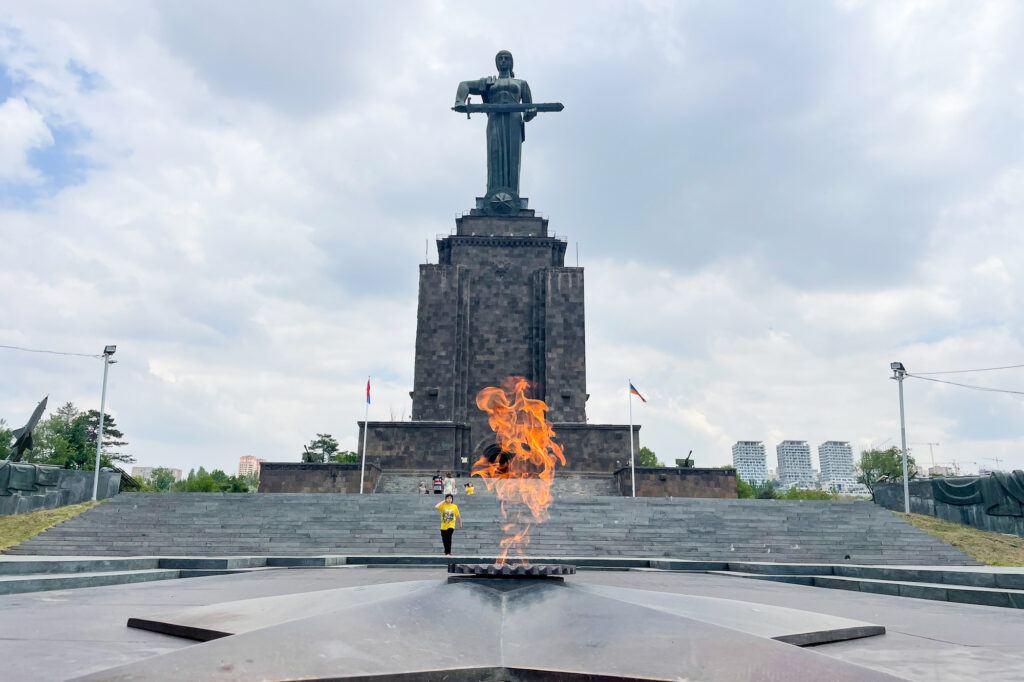
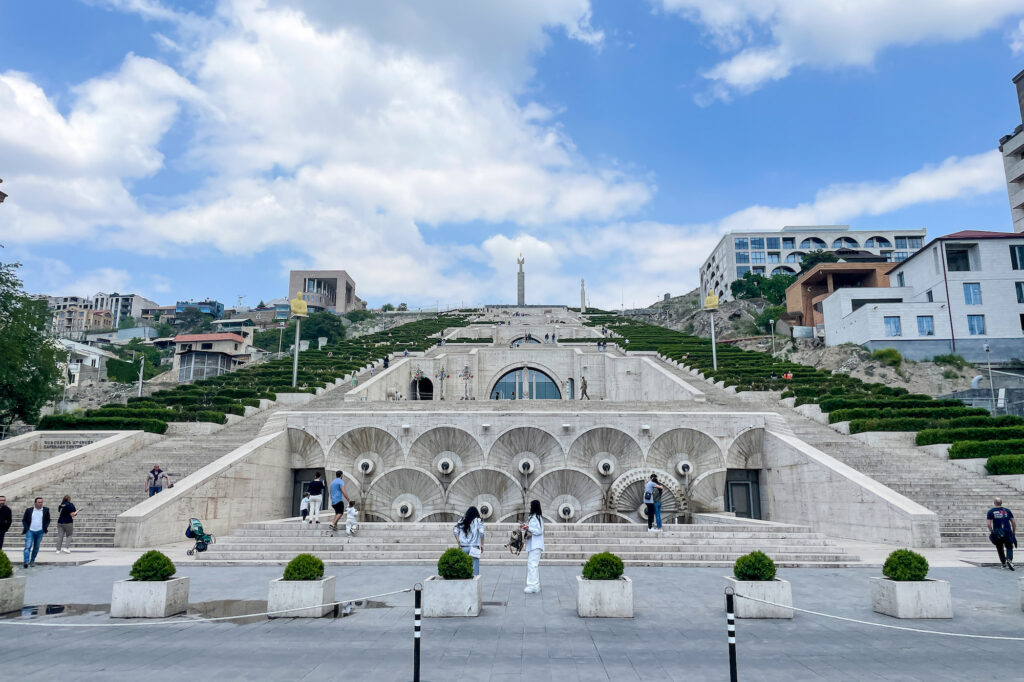
Not far from Yerevan lie Garni and Geghard. Both villages are home to a tourist magnet each. Garni with its temple, and Geghard with another monastery.
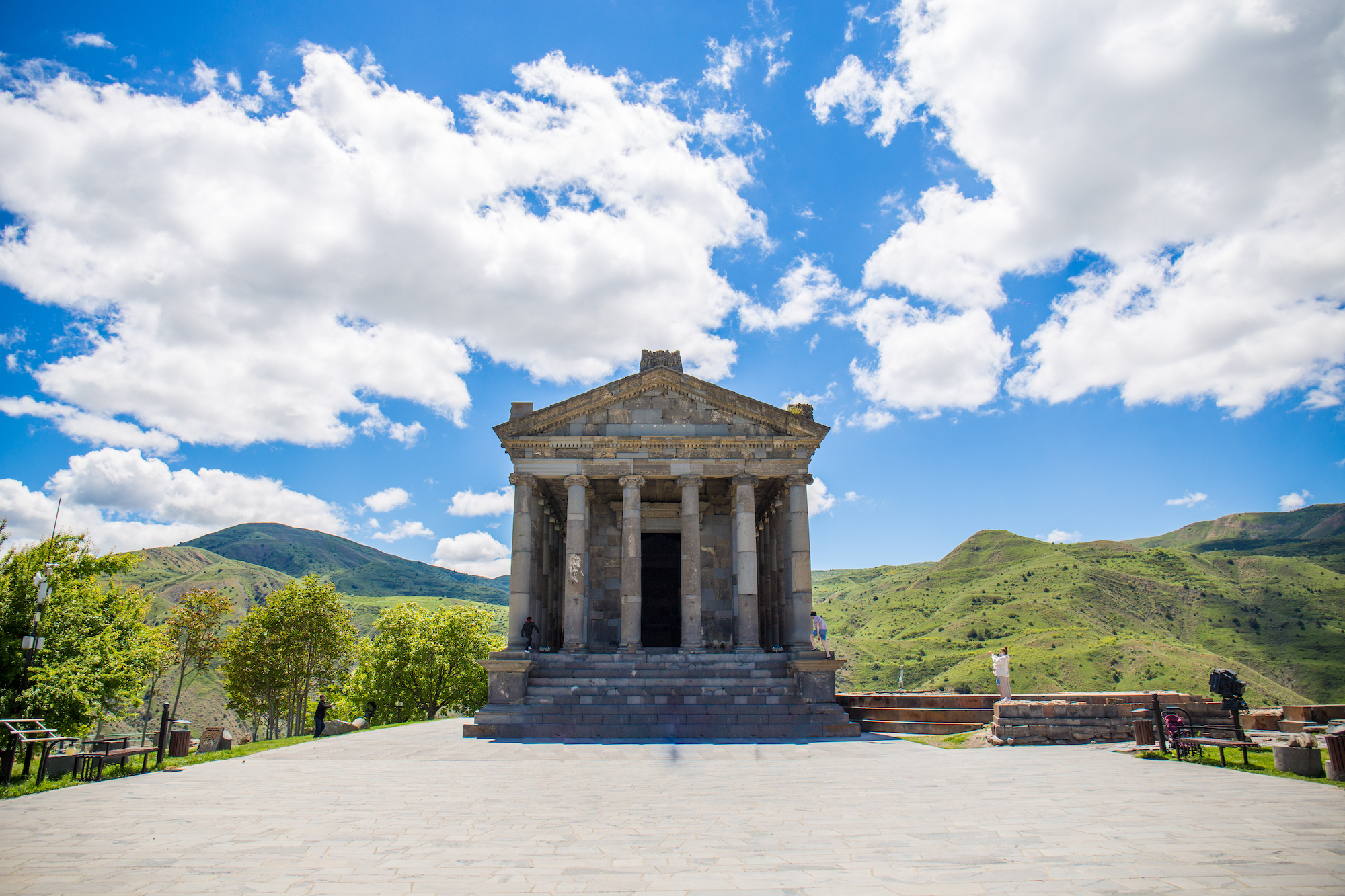
Right near both of them is a beautiful campsite. It’s run by Dutch people and, for the first time in ages, offers us the comforts of a shower, washing machine and toilet at European standard. (Campsite 3 Gs)
After a few restful days in this little oasis, we drive past Lake Sevan again to Dilijan.
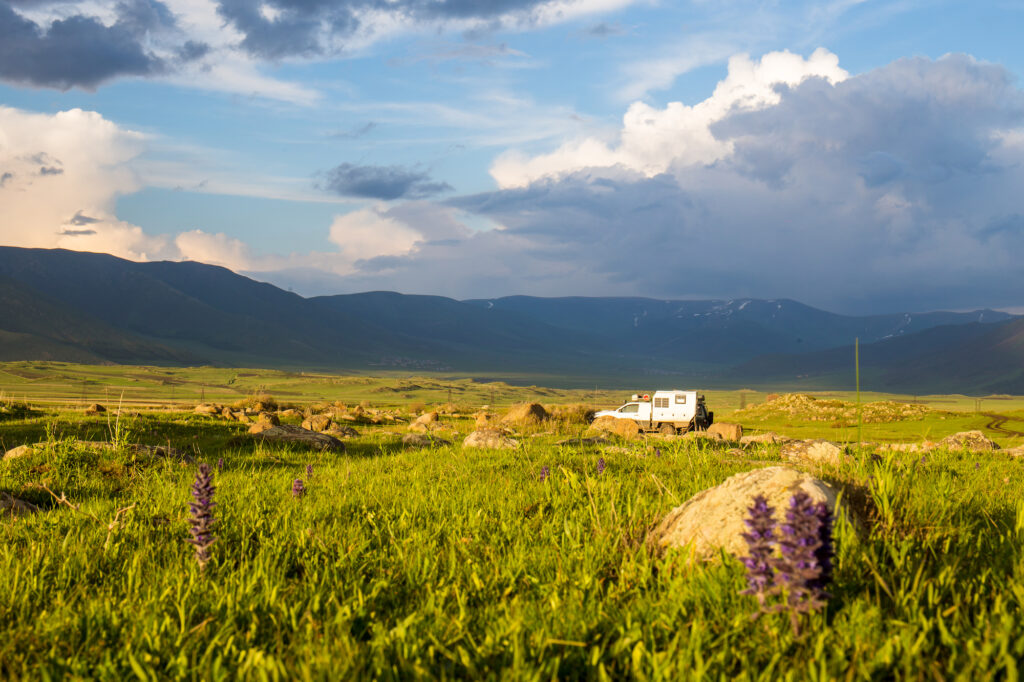
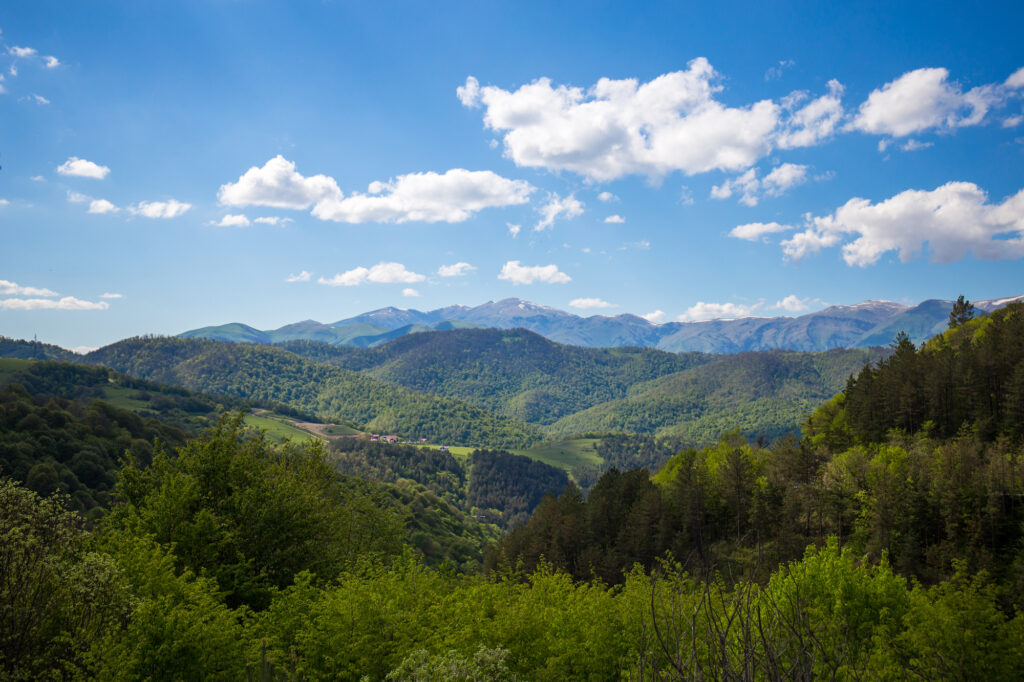
They also call it Little Switzerland here, and the landscape really is very similar. We make our last two stops in Gyumri and at Lake Arpi. Even though Armenia is fairly small, we’ve unexpectedly spent almost four weeks here. We love the Russian mentality and the mountain scenery, so this won’t have been our last time there.
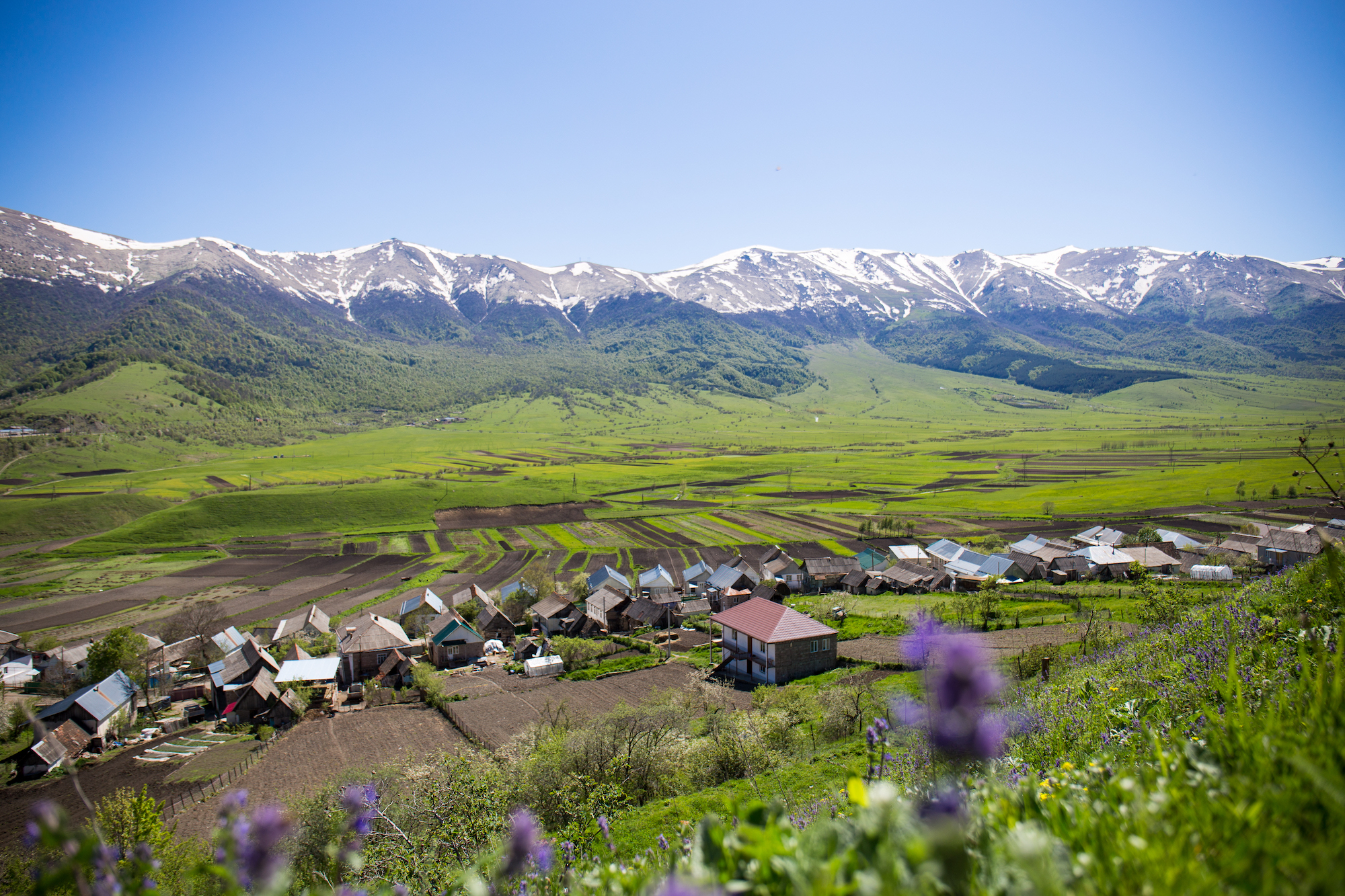
Russia’s war of aggression against Ukraine is a topic on our journey for the first time here. The Armenians are torn. Of course they don’t approve of this war, but they also can’t come out against Russia. Russia is Armenia’s protecting power. Both Turkey and Azerbaijan lay claim to Armenian territory. Armenia’s landmark is Mount Ararat. It once lay on Armenian soil but today belongs to Turkey. For the Armenians it’s a sacred mountain. Noah’s Ark is said to have first touched land again on it. It’s clearly visible from many parts of the country and shapes the landscape.
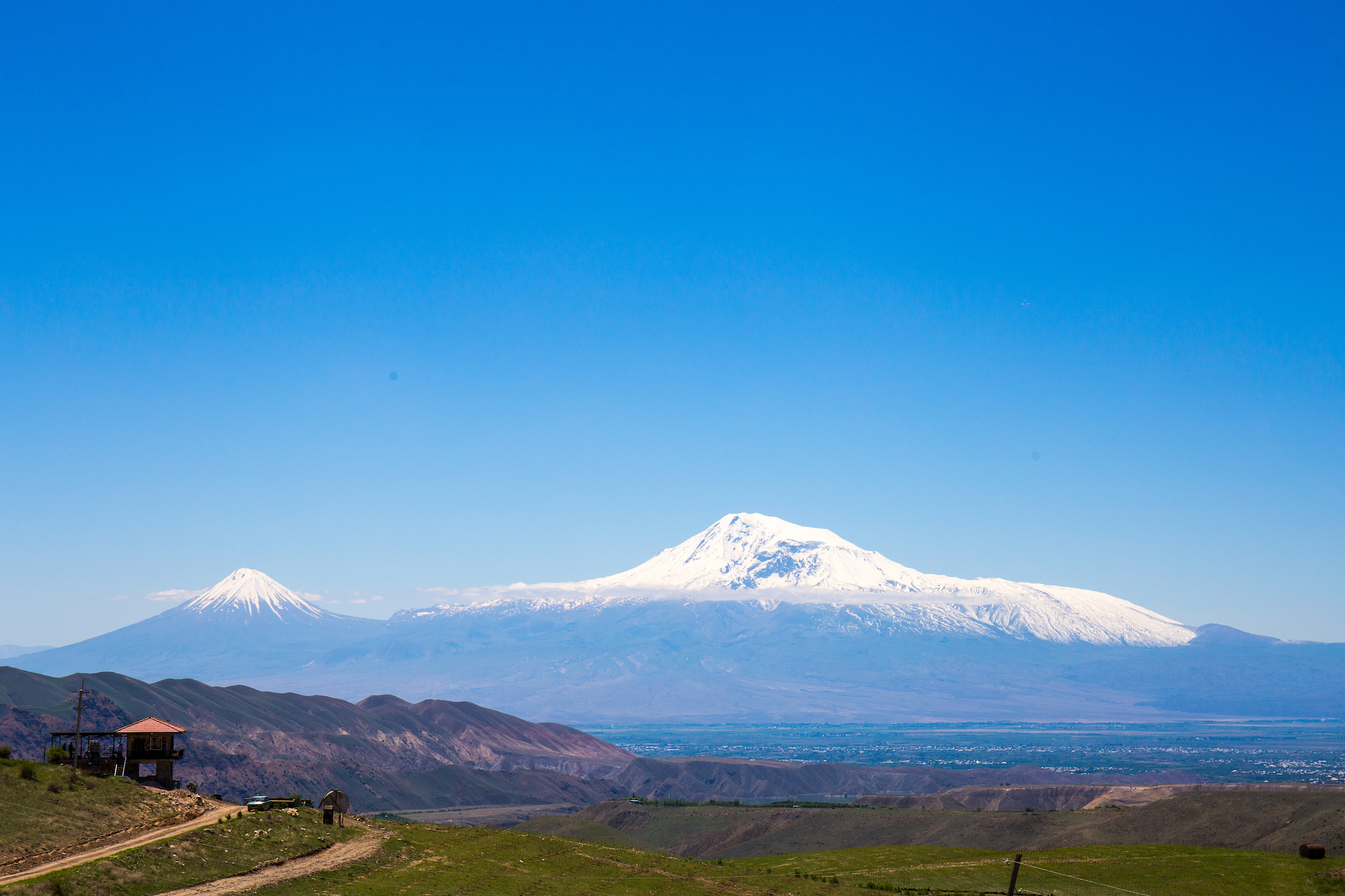
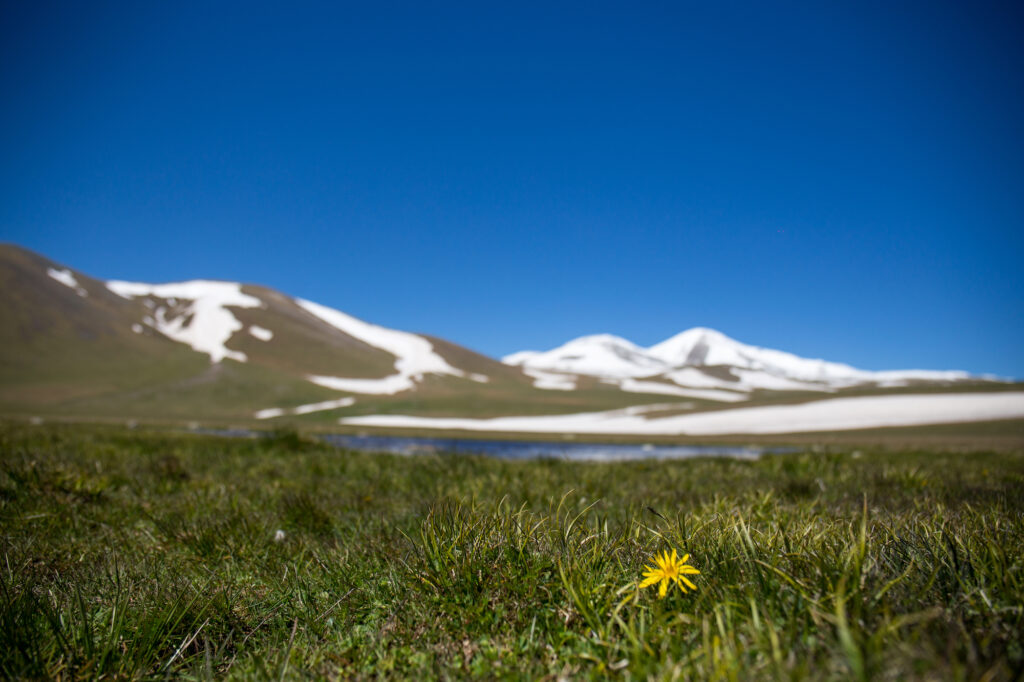
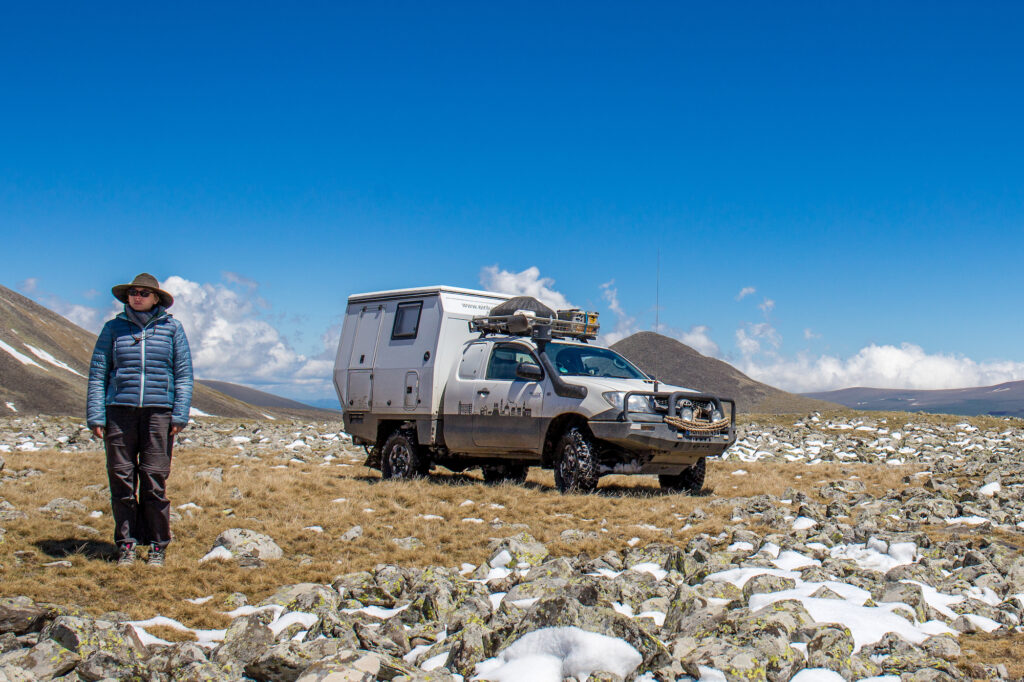
For us it’s on to Georgia. A country we’ve heard a lot about and which in recent years has come more and more into the tourist focus. With other travellers we spend a few days at and around Lake Paravani. Here too, in mid-May, there’s still quite a bit of snow, so not all routes are easy to drive.
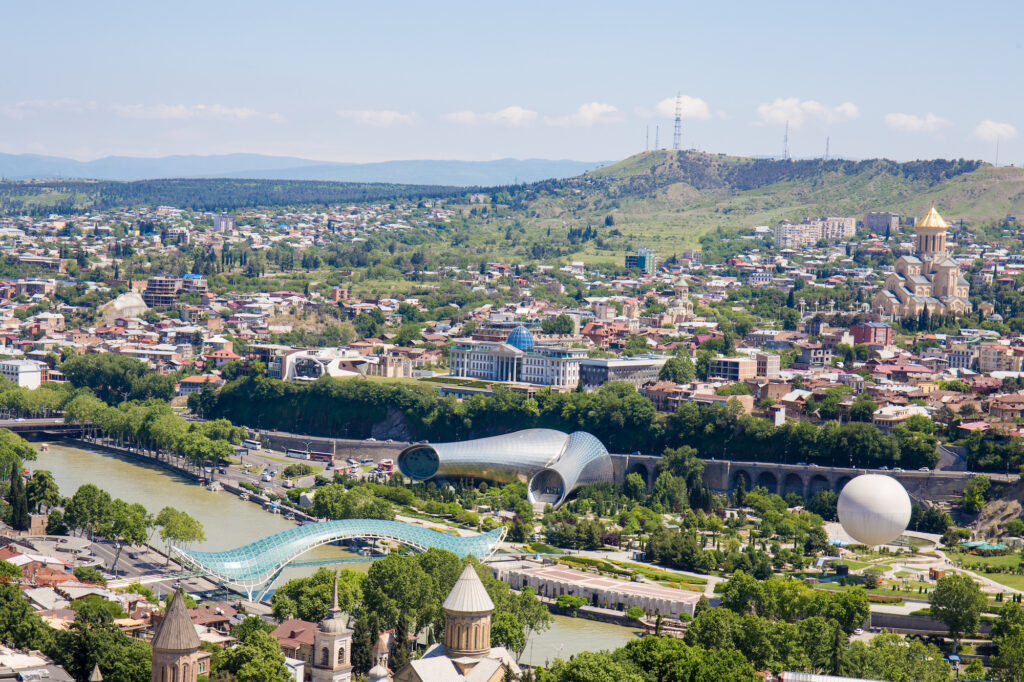
Tbilisi, the capital of Georgia, is similar to the Armenian capital. But already far more touristy. The red hop-on hop-off double-decker bus runs here, there’s a cable car, and boat-trip offers on the river Kura on every corner. Even so, we really like the city set among the mountains and stay three days longer than planned.
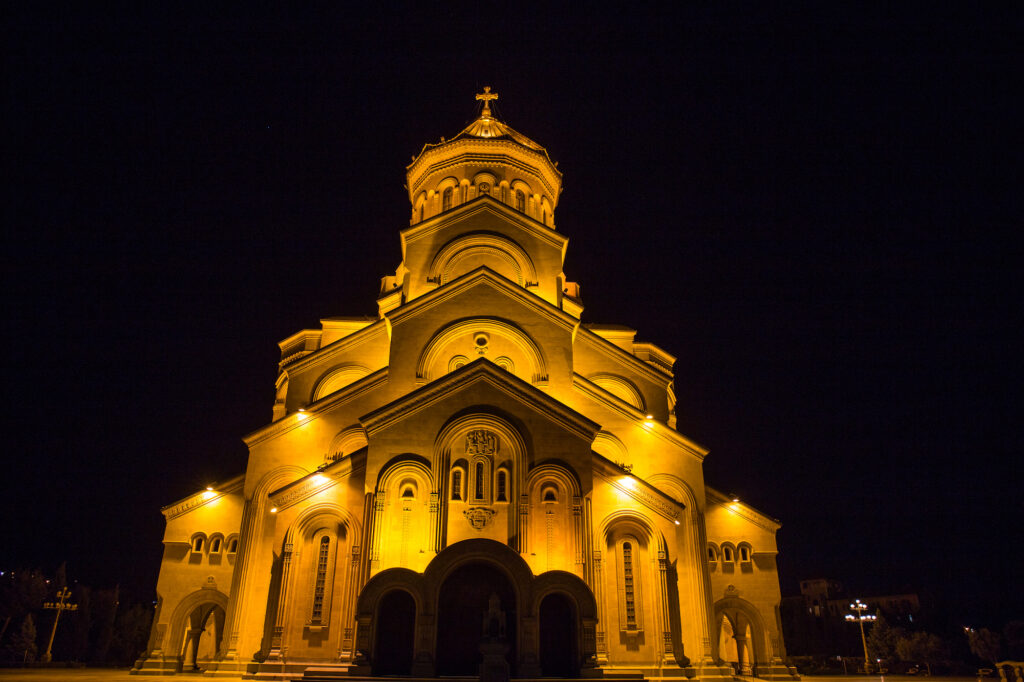
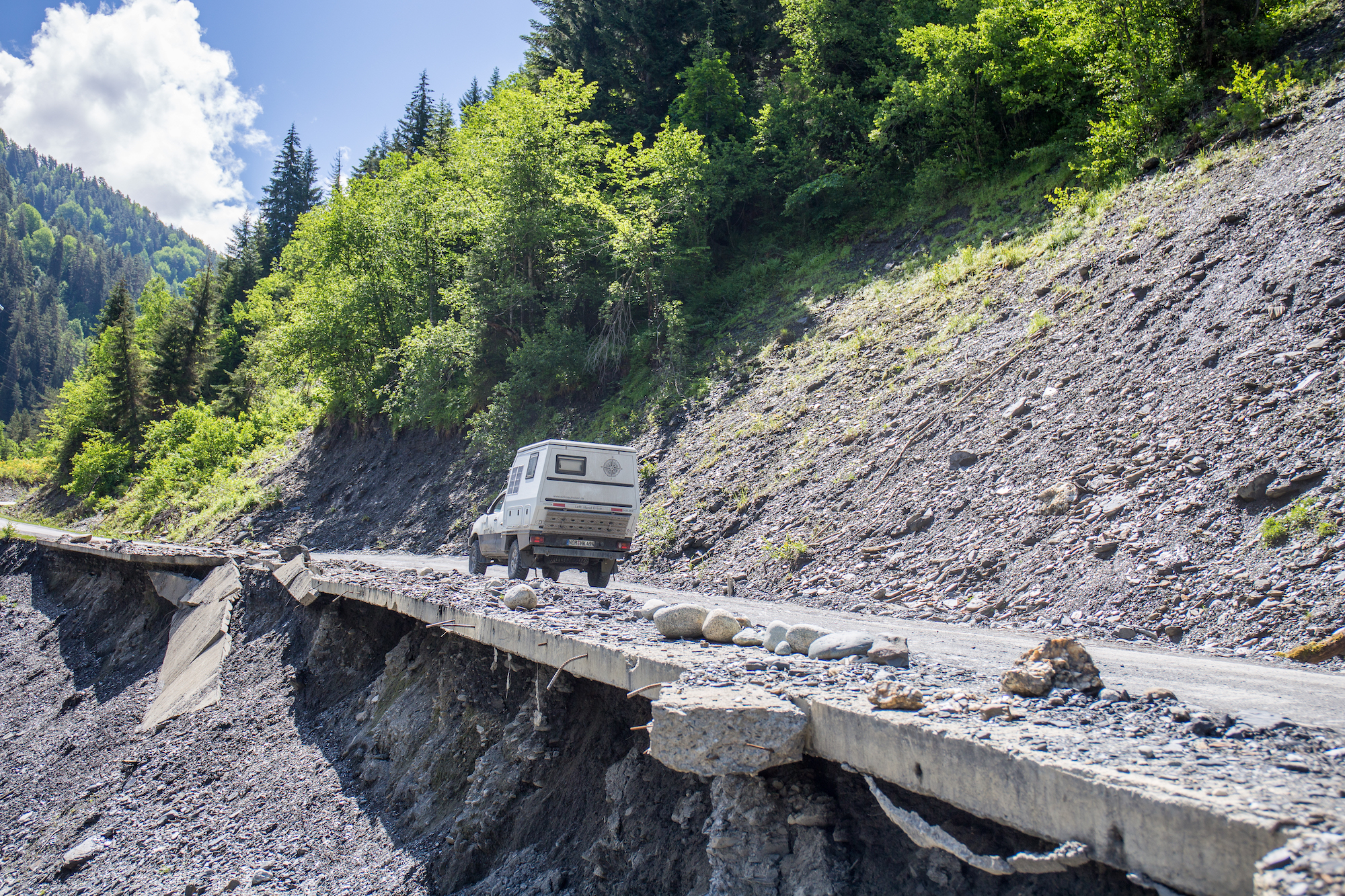
In Georgia there are some scenically beautiful dead ends, cul-de-sacs you drive into (they always lead to villages) and come back the same way. We drove to Omalo, Shatili, Stepantsminda and the loop over Mestia and Ushguli. Mountains, mountains, mountains as far as the eye can see, and great off-road routes, just as in Armenia.
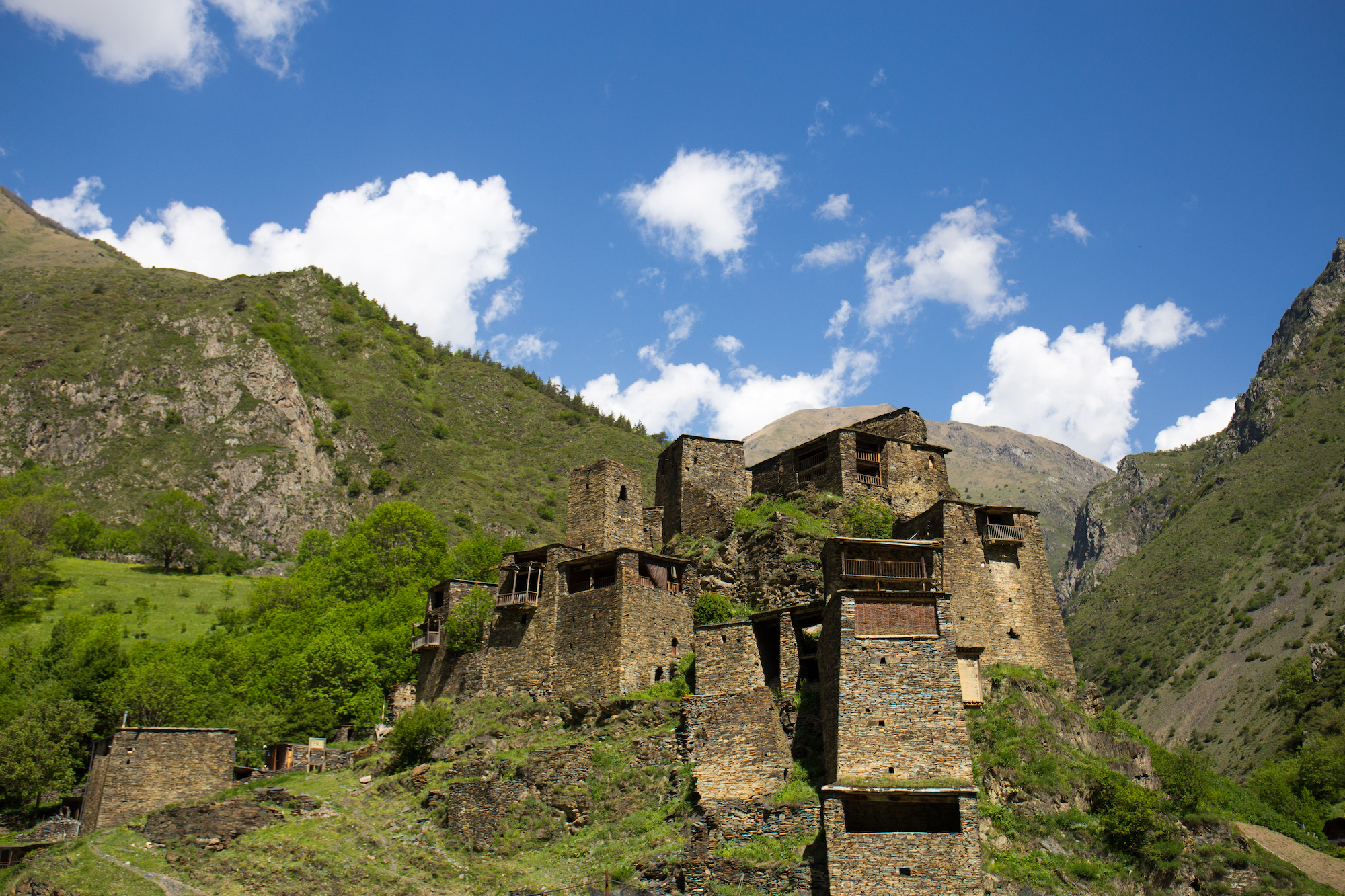
An unpaved but quite well-built road leads over a pass to Shatili. The little village is known for its old houses.

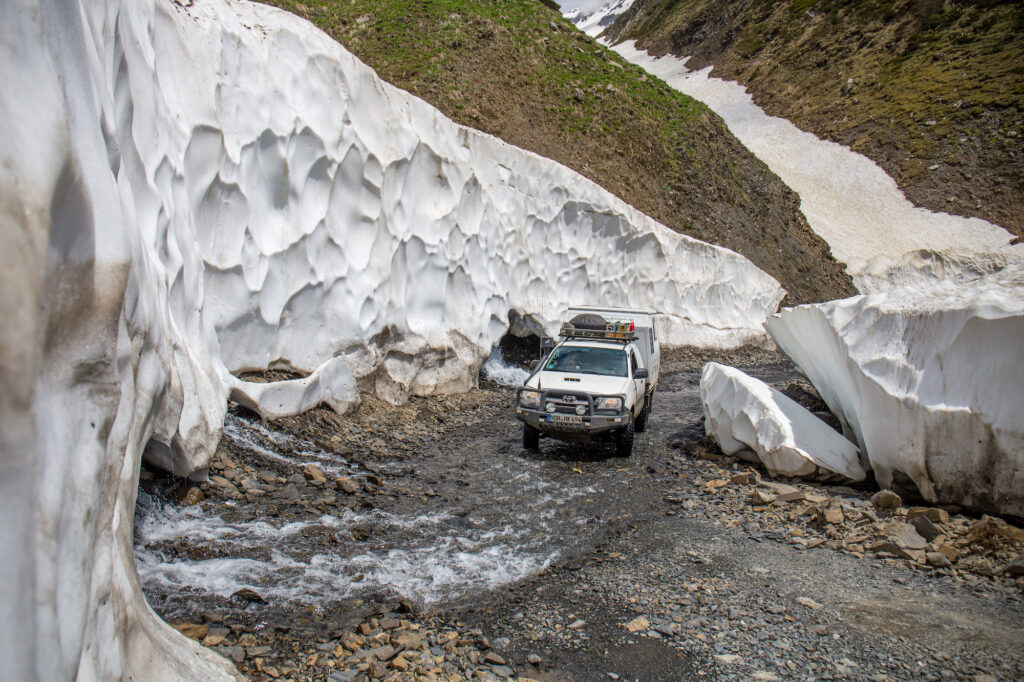
Das wohl anspruchsvollste Deadend ist die Straße nach Omalo. Sehr steil, teilweise sehr eng und hohe Steinschlaggefahr. Anfang Juni liegt aber noch so viel Schnee (6m) welcher noch nicht geräumt ist, dass wir es nicht ganz bis nach Omalo schaffen und vorzeitig umkehren müssen.
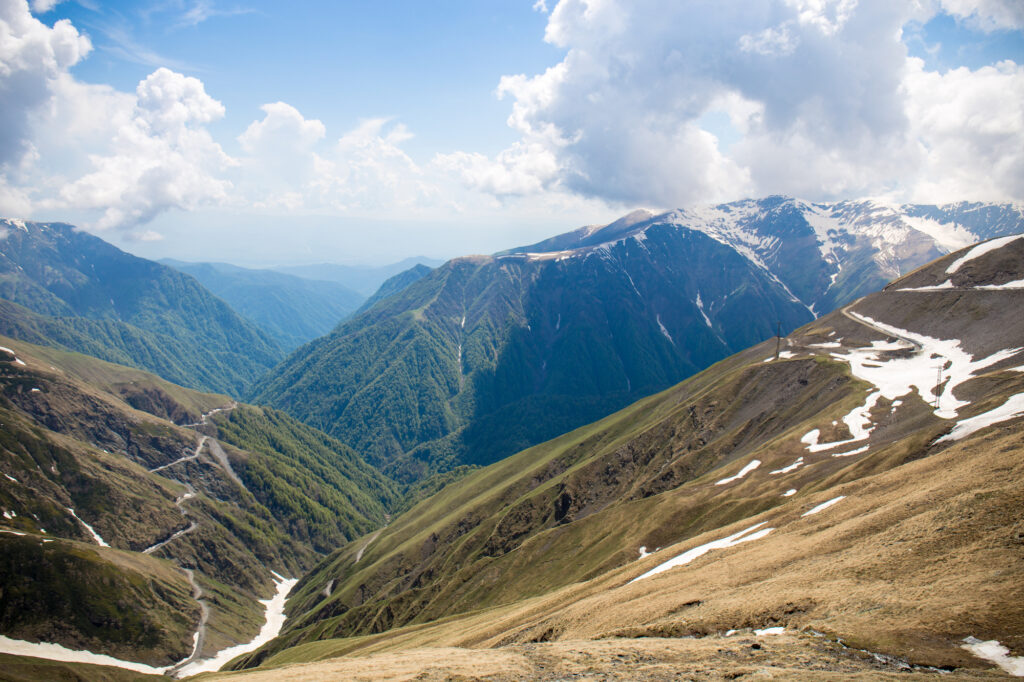
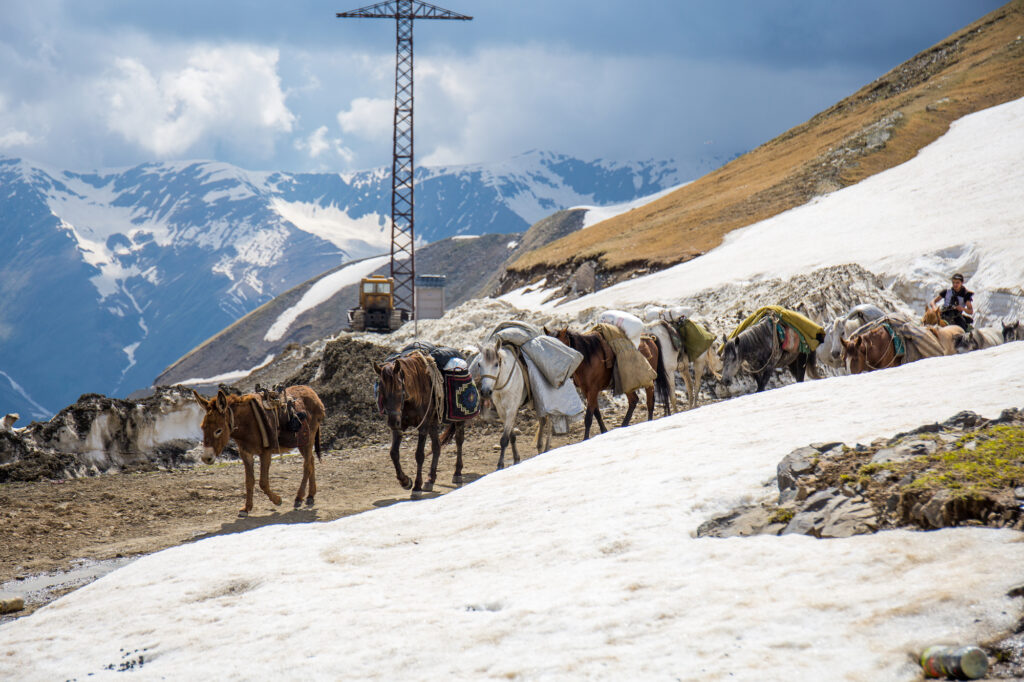
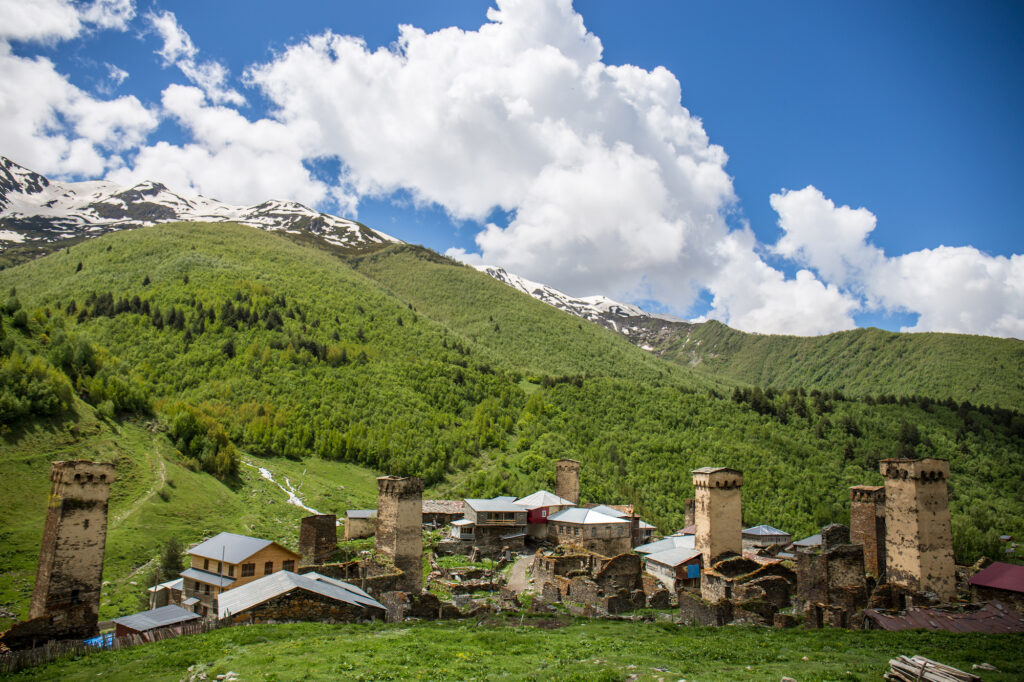
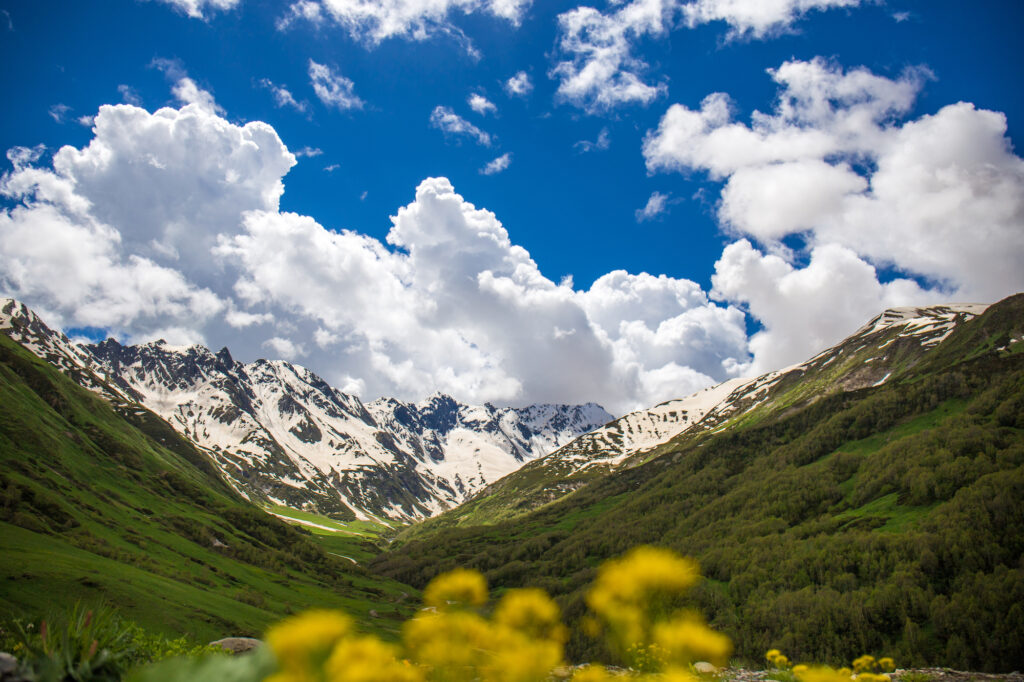
The scenery around Mestia and Ushguli is spectacular. The mountain panorama is gigantic.
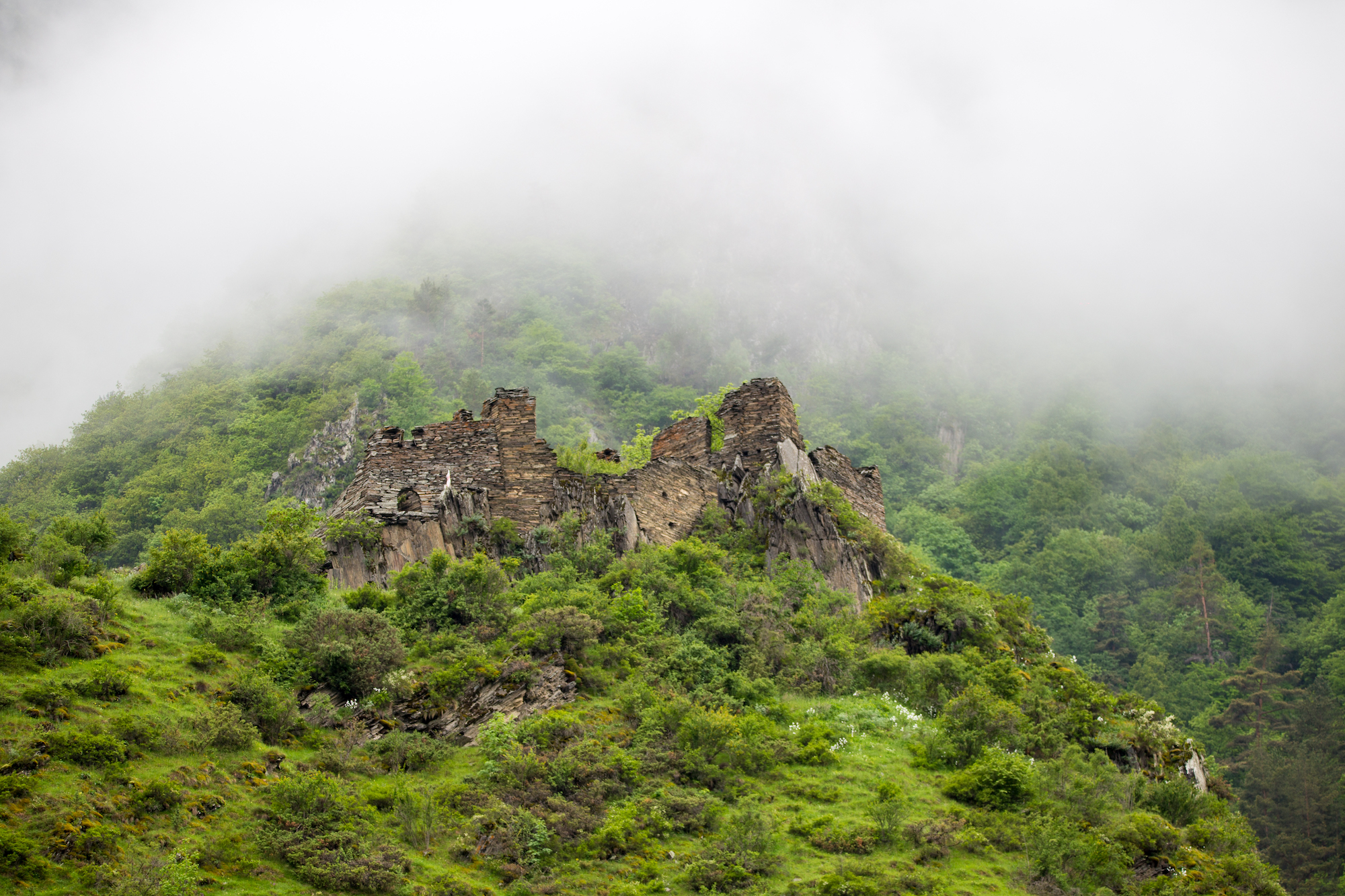
 Beide Orte sind für ihre Swanetischen Türme bekannt. Sie prägen das Bild beider Dörfer und dienten einst der Verteidigung sowie des Ausspähens bzw. frühzeitigen Erkennens des Feindes.
Auf dem Weg nach Stephanzminda passiert man eine kilometerlange LKW Schlange. Sie alle warten auf ihre Abfertigung an der Grenze um nach Russland zu kommen. Je nach Jahreszeit stehen die Fahrer wochenlang in diesem Stau. Ohne Dusche und Toilette.
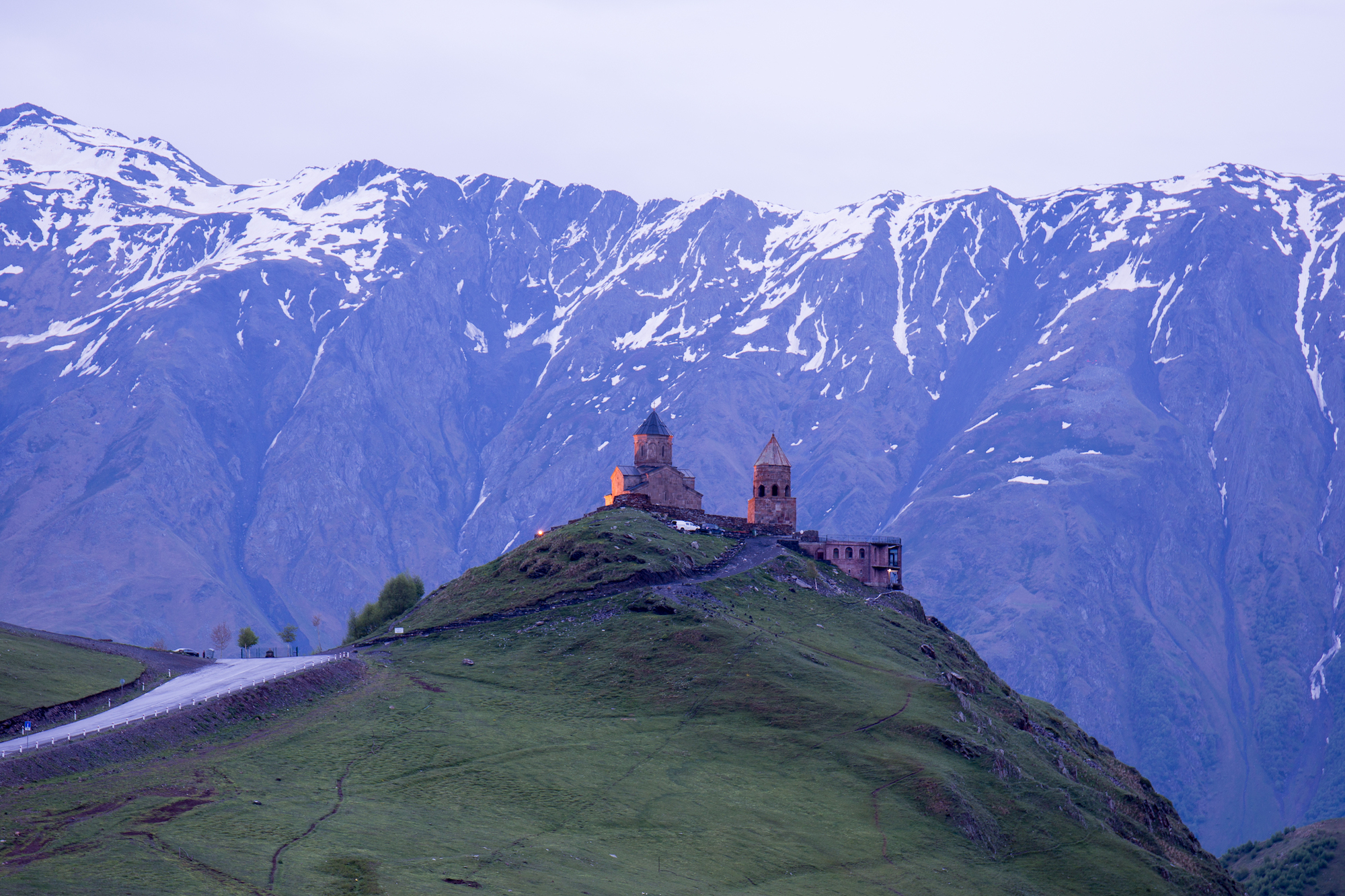
You also come through the ski resort of Gudauri on the route up. With nearly 35 kilometres of pistes it’s the largest ski area in Georgia. The little town of Stepantsminda is known for the Gergeti Trinity Church. It sits high on a mountain, with a fabulous mountain panorama stretching all around it.
Continuing through Georgia, we stop at a waterfall and two hot springs.
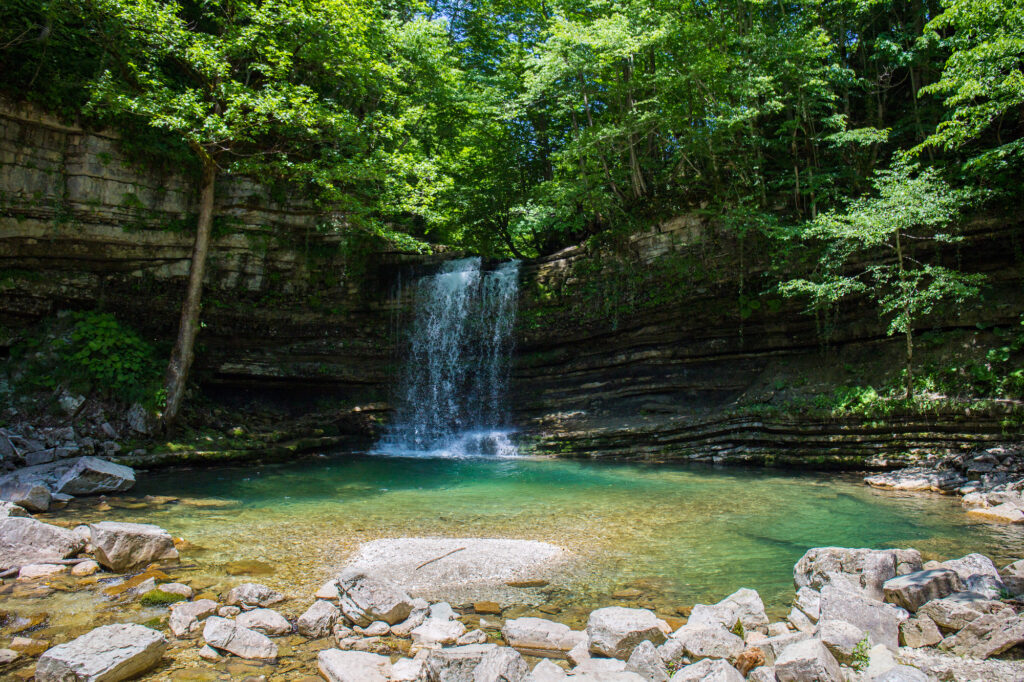
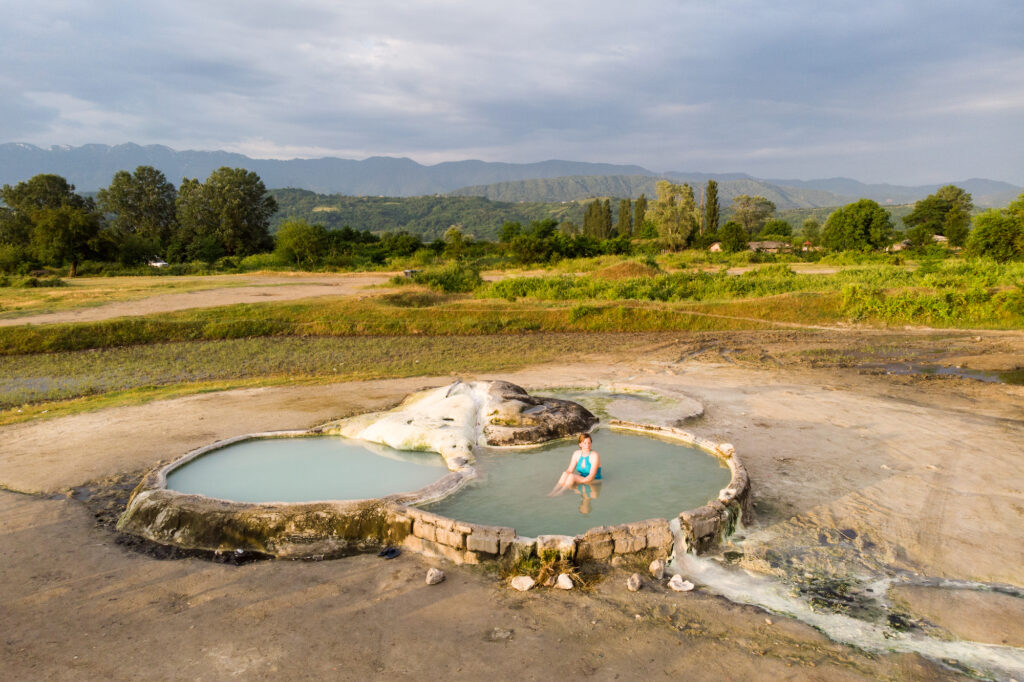
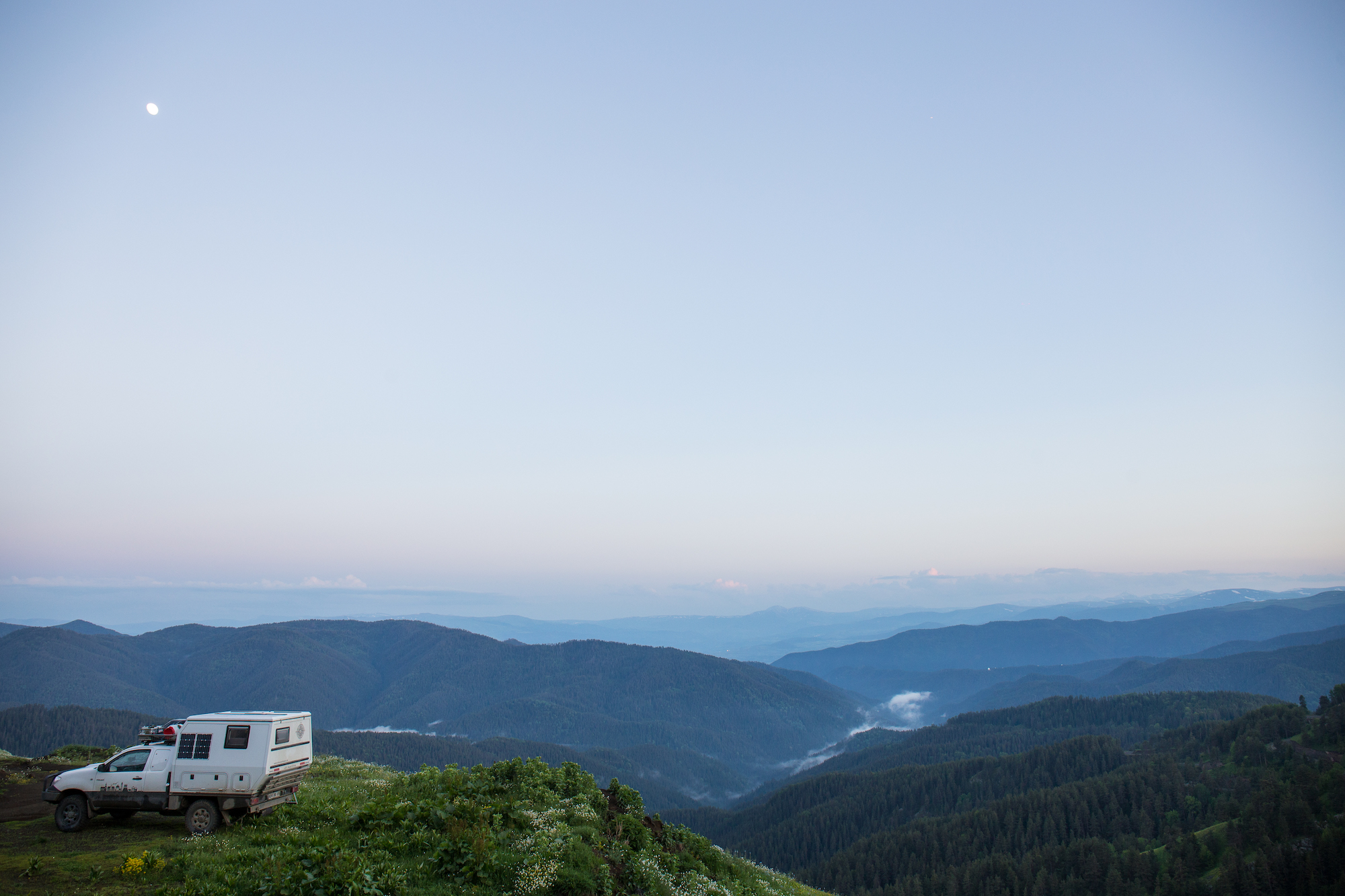
Afterwards we take the Zekari Pass to get to Batumi. The whole road is one huge building site over an enormous stretch. A Chinese firm is building a tarmac road here for the first time. Apart from the jolting and weaving around construction machines through the entire site, the landscape is again impressive. Meadows and tree-covered mountains. In the evening, just past the top of the pass, we find a lovely spot for the night. The sun goes down and the sky turns magnificent pastel shades as the moon rises.
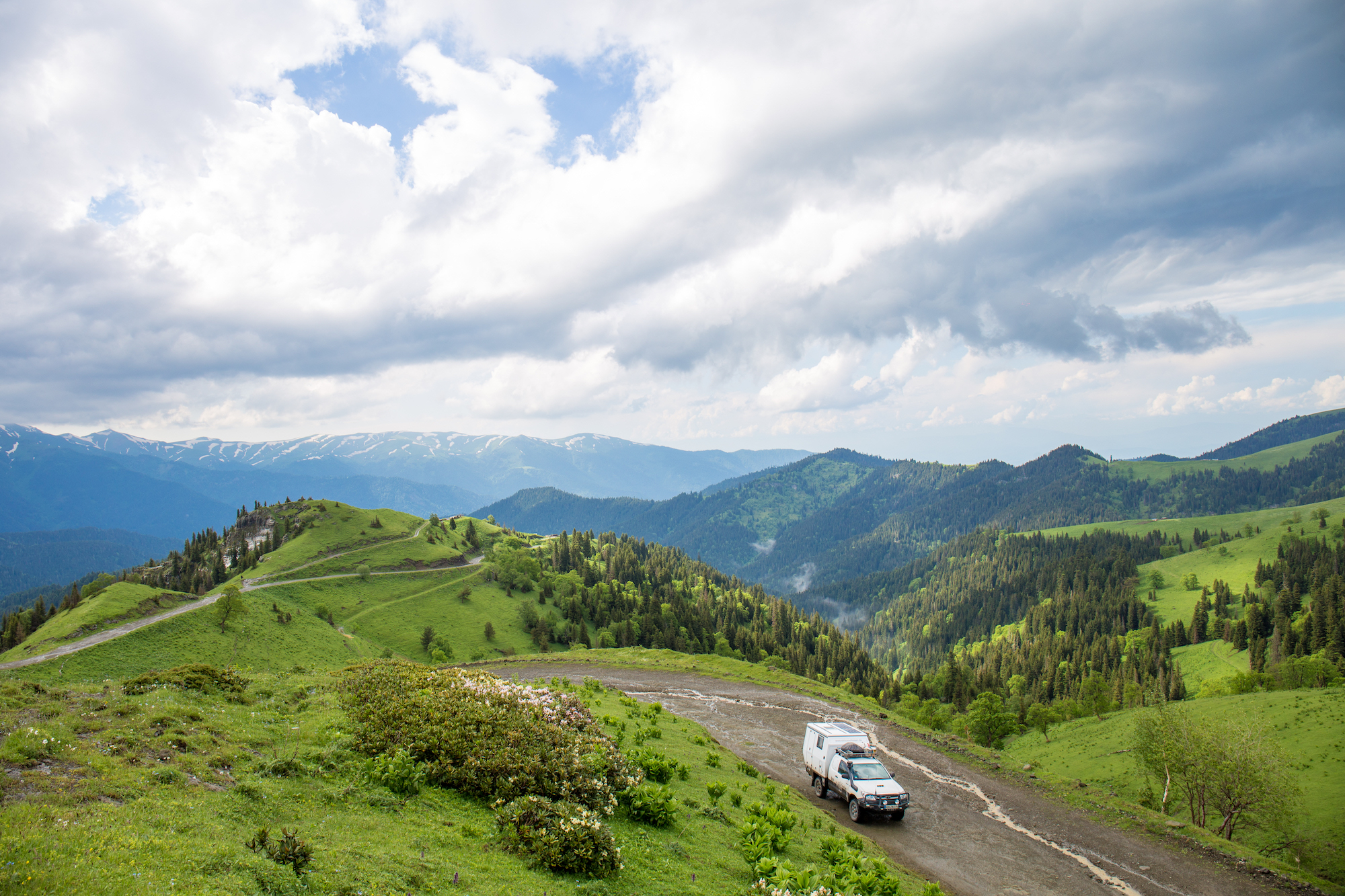
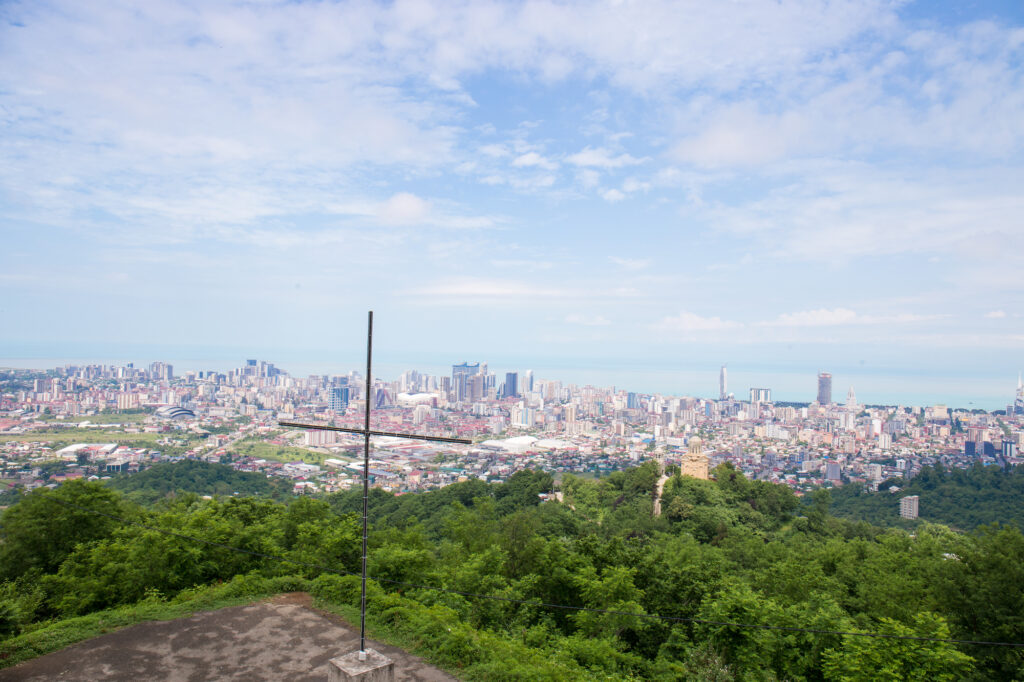
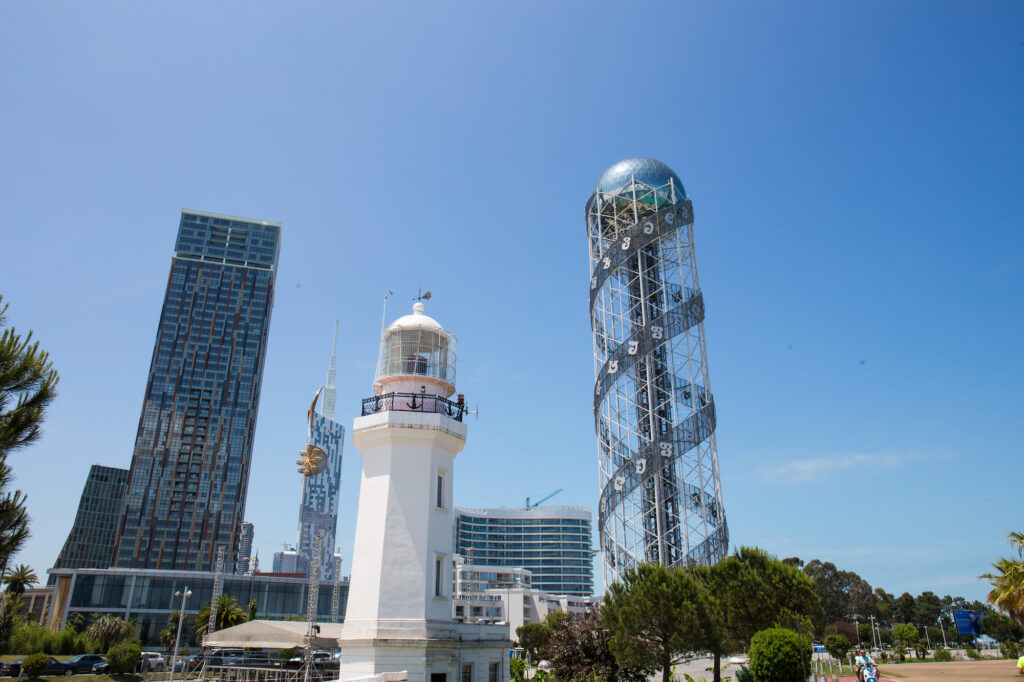
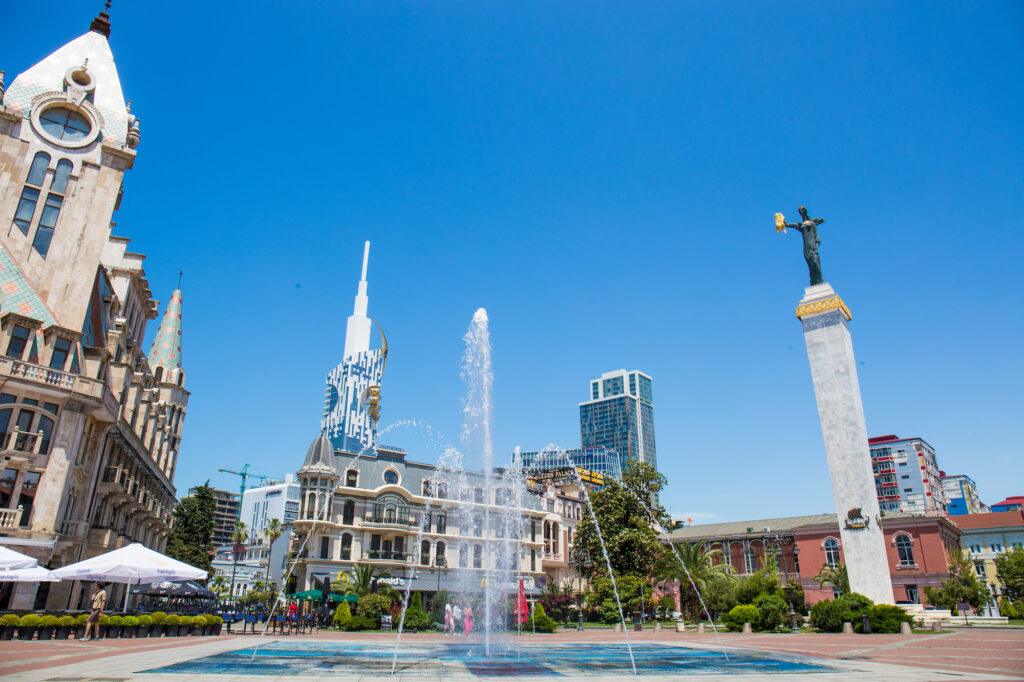
The next day we arrive in Batumi. A Georgian city on the Black Sea. It’s also called the Las Vegas of the Caucasus. There are many casinos, interesting buildings, a long promenade along the shingle beach and a lovely old town. Here too we stay two nights longer than planned.
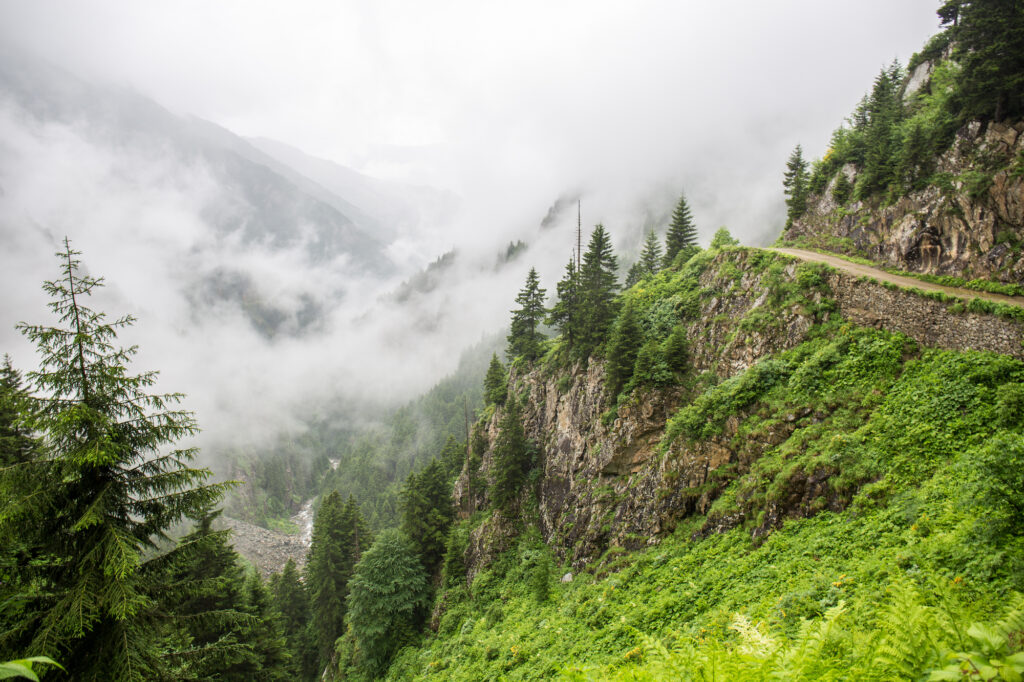
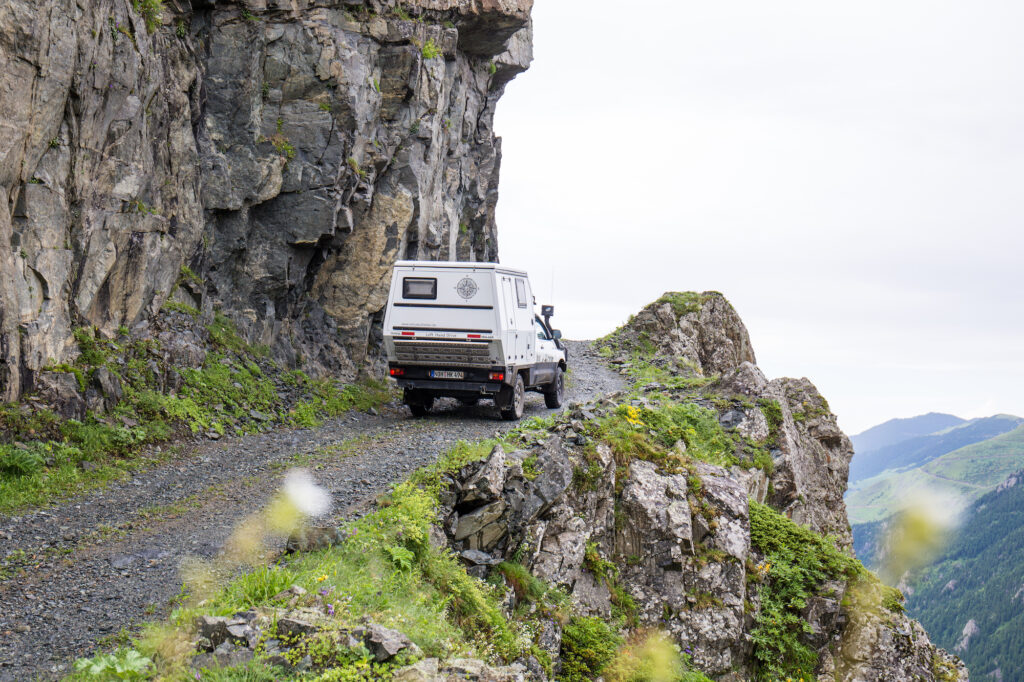
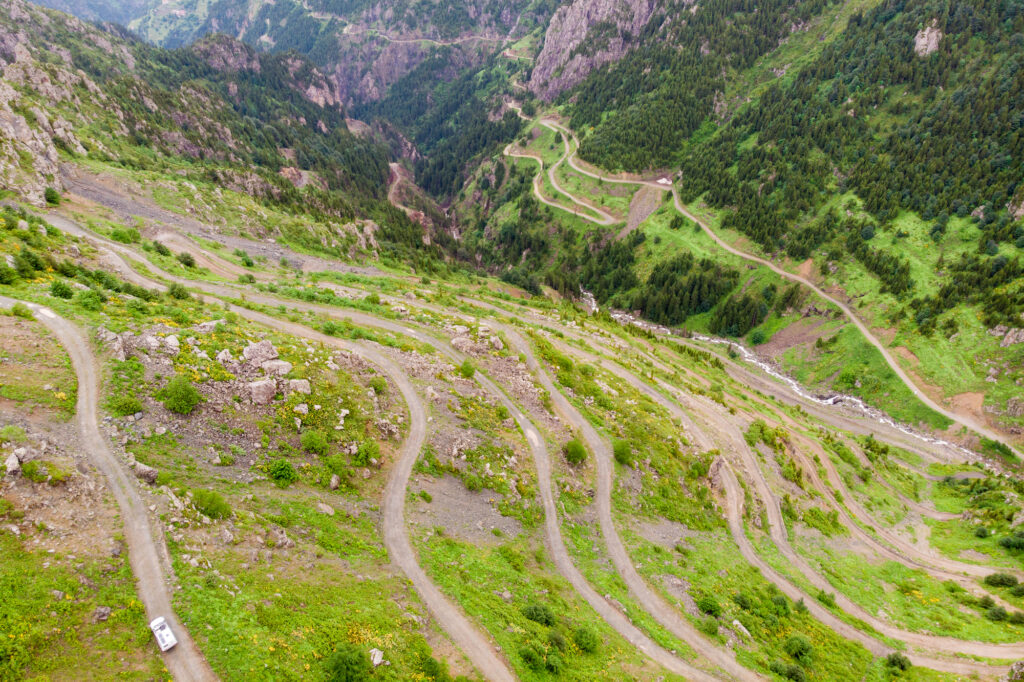
The border with Turkey is the most organised of the whole trip. A smooth, coordinated process has us done in 20 minutes. We head straight for the D915. One of the so-called “Dangerous Roads”. It’s raining. Not the best conditions, but along the way the rain eases. Steep, narrow hairpins mark this unpaved road. Otherwise it’s relatively easy to drive.
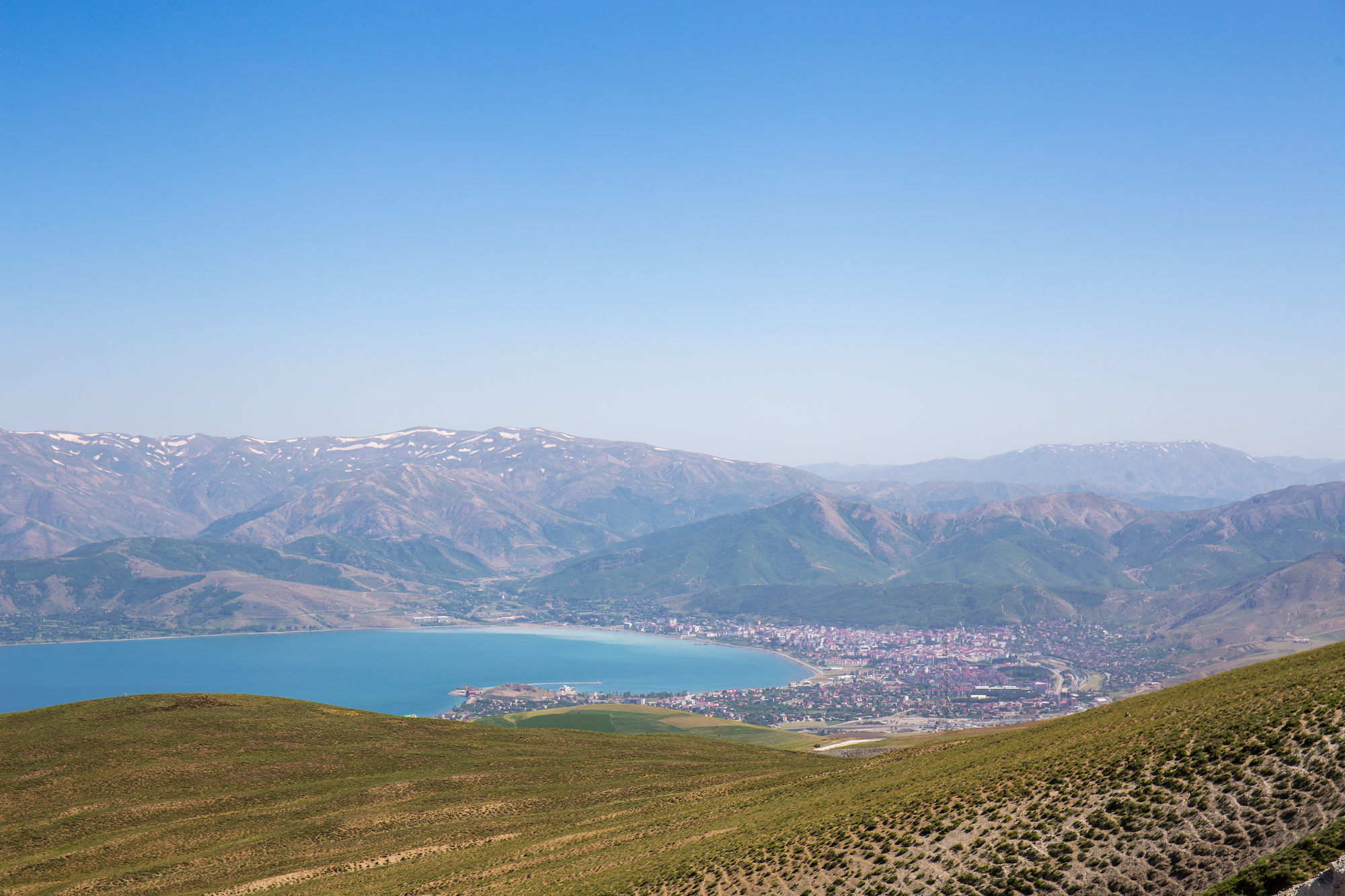
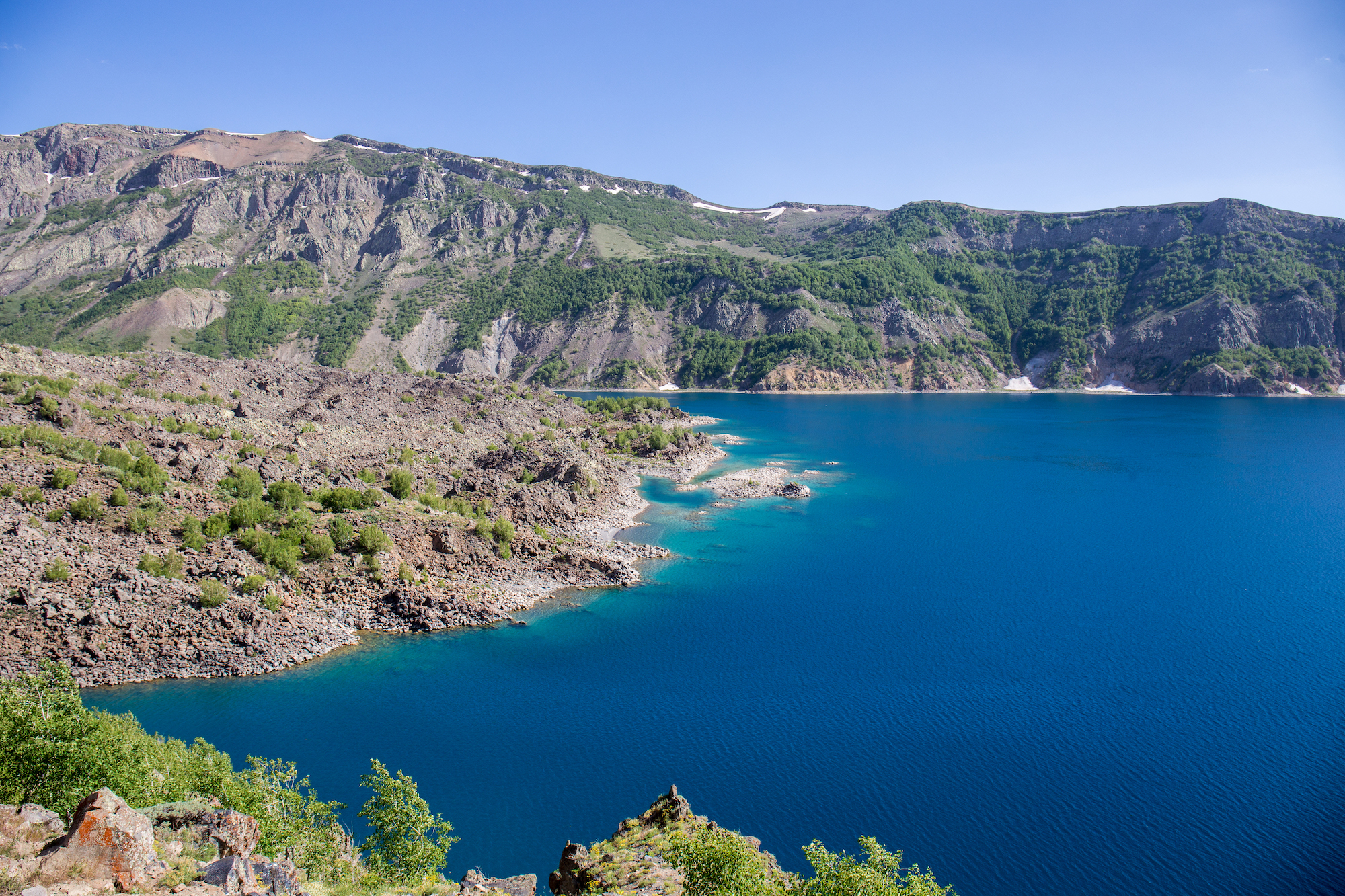
We drive on as far as the westernmost tip of Lake Van and, right there, also visit Nemrut, a volcanic crater. Again and again tortoises cross our path and the road, and we of course rescue them.
In Turkey it’s now a case of covering ground for us. Our time limit is slowly breathing down our necks. Pretty much without a break we drive to Cappadocia. We spend the night at one of the cliffs. The colours and shapes of the rocks are impressive. So are the caves, or rather houses, in Göreme, built into these rocks.
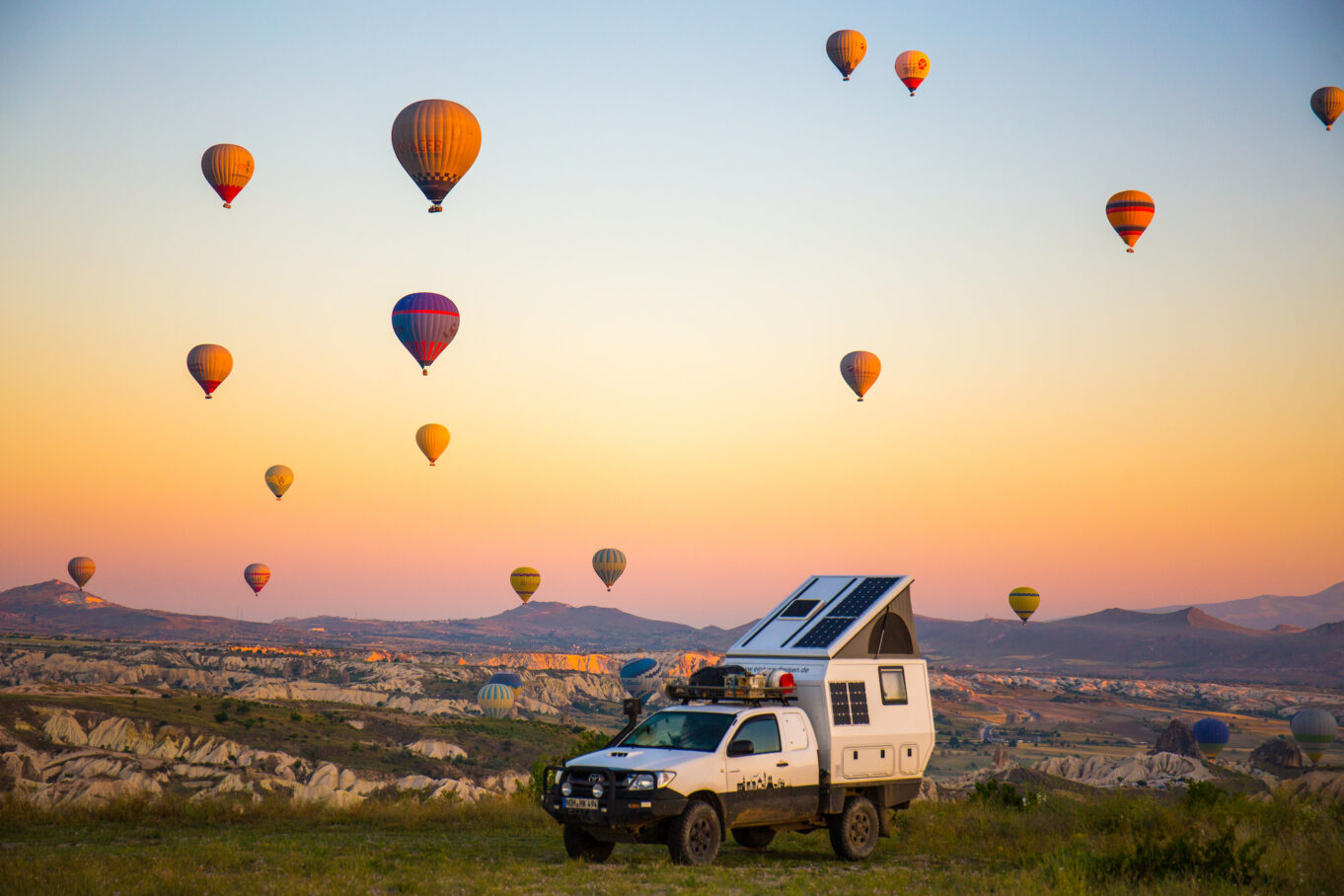
The hot-air balloons rising with the dawn draw a unique backdrop into the landscape. The mood is almost magical and will probably never be forgotten. Of course we too shoot a few pictures of the Lux with the balloons in the background.


We still have to do an oil change and pick the city of Konya for it. It quickly turns out that the city is quite nice. The market is superbly placed right in the centre and offers almost as much as the Iranian markets. We get news from home that we have to be back three weeks earlier than planned. We knew this could happen and think about how to sort it. Fly back and forth, or just drive now? In the end we decide to end the trip early and drive home. Istanbul is still on our list for two days. If you’re already there, you at least have to see the Grand Bazaar, the Blue Mosque and the Hagia Sophia. And so we do. Then, from Istanbul, we drive in transit through Bulgaria, Serbia and Hungary to Austria within a few days.
Honestly, it’s pretty hard on the head to be catapulted home again so fast. We spend three more days in Austria. Suddenly you can understand everyone and everything again, and are understood. A very strange feeling after almost a year.
Near Rosenheim the Carnet de Passage is stamped by customs, and we drop it off in Munich directly at the ADAC. With that the trip is now truly over. On the way back to our home in the north we make a few more stops with family, friends and acquaintances. And then, on the evening of 3 July, after 338 days and 46,086.6 kilometres, we’re home again.
Linda and Hanjo live in Nordhorn in Lower Saxony, united by a love of globetrotting, the fire service, the joy of the simple life and much more. You can find out more about Linda and Hanjo at www.einluxaufreisen.de or on Instagram @einluxaufreisen