
Advertisement: Crumbling railway bridges in the jungle, a base camp at 4,000 metres, a DC-3 into the Amazon and diesel at bargain prices: Colombia is on its way to becoming one of the most exciting overlanding destinations in the world. We drove the route of the trailcompass expedition, a guided overlanding tour run by the operator trailcompass, 33 days that show what this country has to offer. A report for anyone who wants to experience South America in their own expedition vehicle, or to hire a quality camper for the trip, on your own or organised.
The tour at a glance
- Operator
- trailcompass, guided overlanding expedition
- Duration
- 33 days
- Distance
- around 3,200 kilometres
- Route
- from Cartagena (Caribbean) over the Andes to the Amazon
- Start
- around New Year, New Year’s Eve in Cartagena
- Group
- no more than six vehicles per tour
- Vehicle
- your own expedition vehicle or a rental camper on site
- Getting the vehicle there
- shipping to Cartagena, around 3 to 4 weeks at sea
- Altitude
- up to almost 5,000 metres (Púlpito del Diablo)
- Difficulty
- moderate to demanding, off-road experience recommended
- Driving format
- rally principle: drive alone, arrive together
- Costs on the ground
- diesel around €0.60/litre, monthly toll around €80 (as of March 2026)
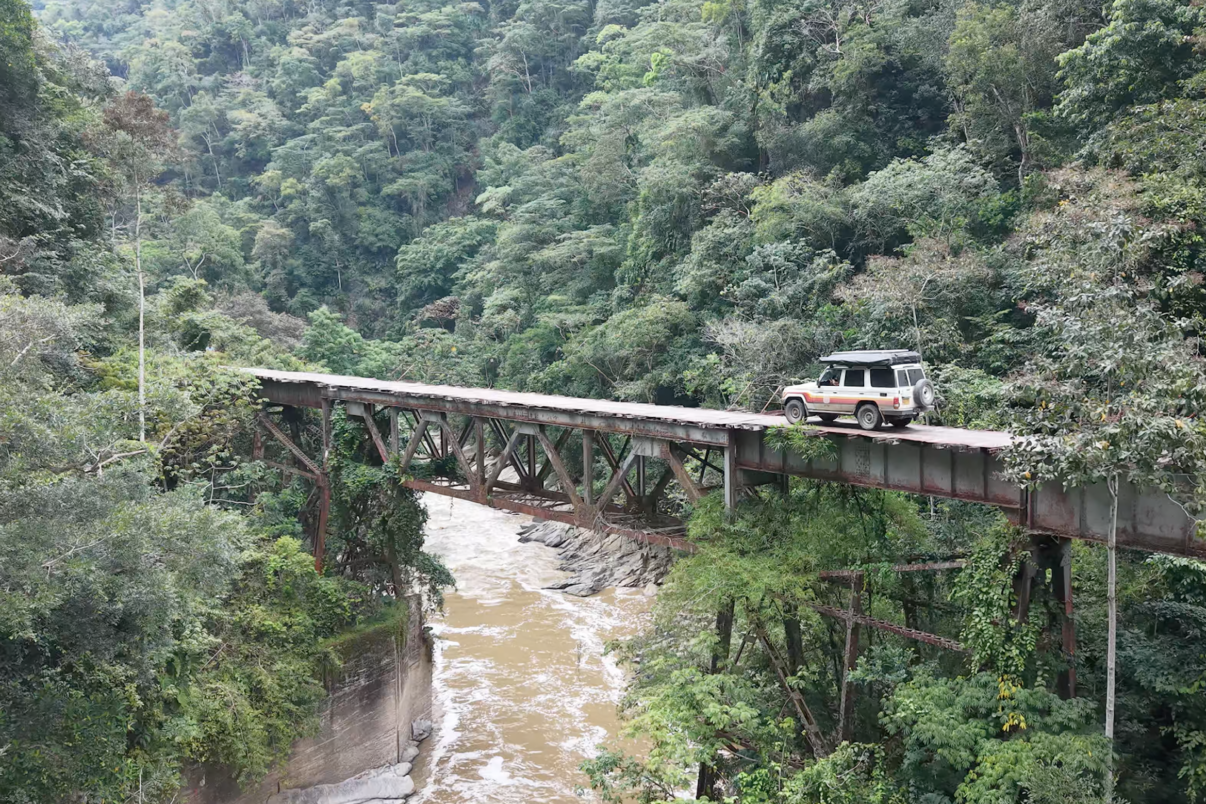
The bridge in front of us is basically just two rails and a handful of sleepers, with a twenty-metre drop between them. Left and right: jungle, so dense that the old railway line feels like a tunnel of green. We get out, walk the bridge on foot, tap the sleepers, lay down recovery boards. Then the first vehicle rolls across the tracks at walking pace, the passenger guiding it in centimetre by centimetre. It is day 9 of our trip through Colombia, and by now one thing is clear: this is no road trip, this is an expedition.
Why Colombia of all places?
When you think of overlanding in South America, you think of the Carretera Austral, of Patagonia, maybe the lagoon route in Bolivia. Colombia had a different reputation for a long time, and that is exactly its biggest strength today. The security situation has improved a lot in recent years, mass tourism has not arrived yet, and the tracks are as raw as you will hardly find anywhere else in the Andes. On top of that comes a range of scenery with few rivals: coast, cloud forest, páramo highlands, glacier regions at around 5,000 metres, the endless savannah of the Llanos, Amazon rainforest and a desert that looks like Arizona. All in one country. All in one tour.
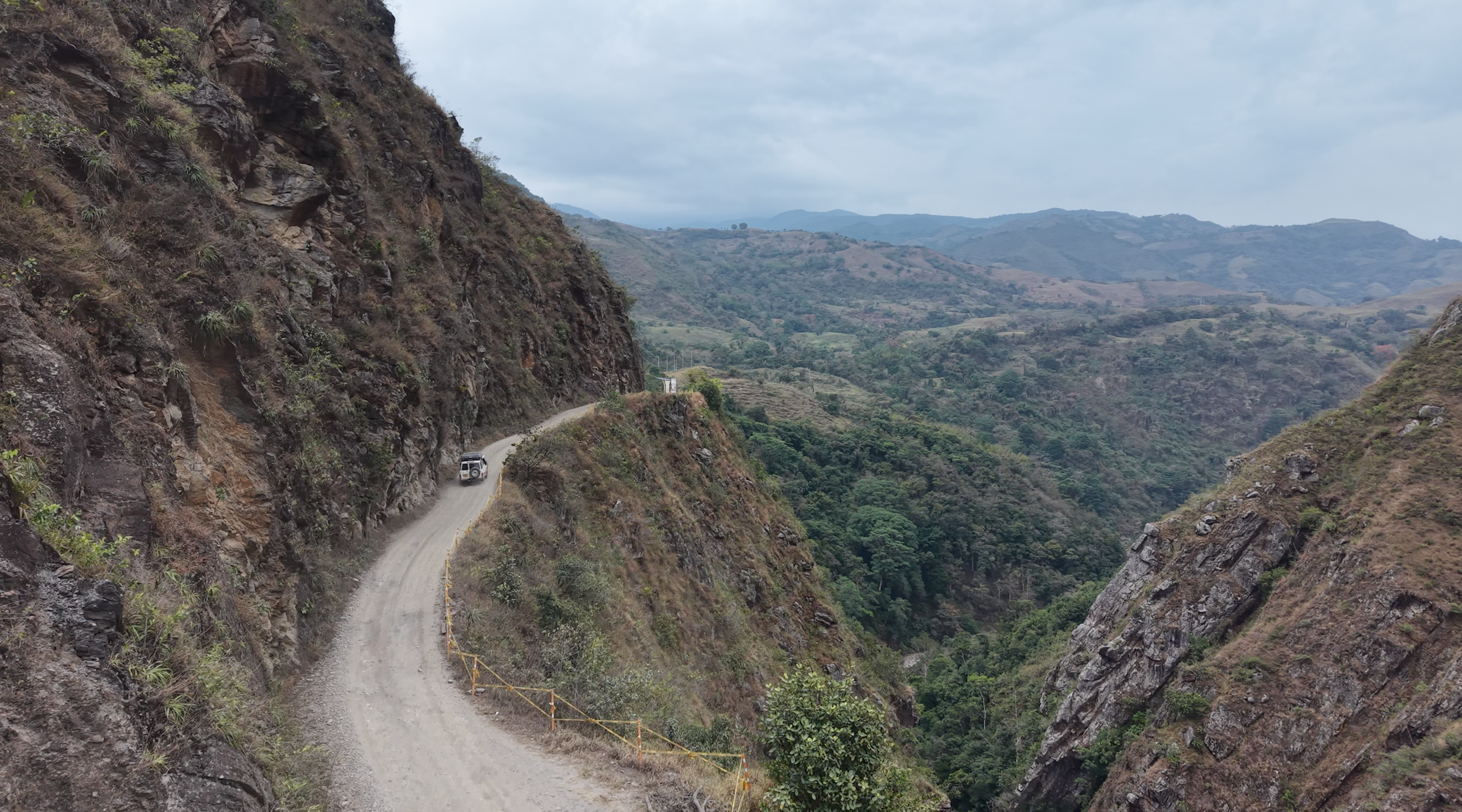 Raw tracks of the kind you hardly find in the Andes any more.
And one more argument that every overlander gets: in March 2026 diesel cost around €0.60 a litre, and the toll for a whole month about €80. Colombia is spectacular. It is also affordable.
Cartagena: customs, old town and a New Year’s Eve you do not forget
Every South America expedition in your own vehicle starts with the same bottleneck: the port. Cartagena is the classic arrival port for expedition vehicles shipped over from Europe. The sea crossing from Europe alone takes about three to four weeks, plus port, customs and clearance times. If you are doing this for the first time, you should know: after you hand your passports to customs, it can take up to four days before you actually get to collect your vehicle. Sounds like wasted time, but it is not, if you use it well.
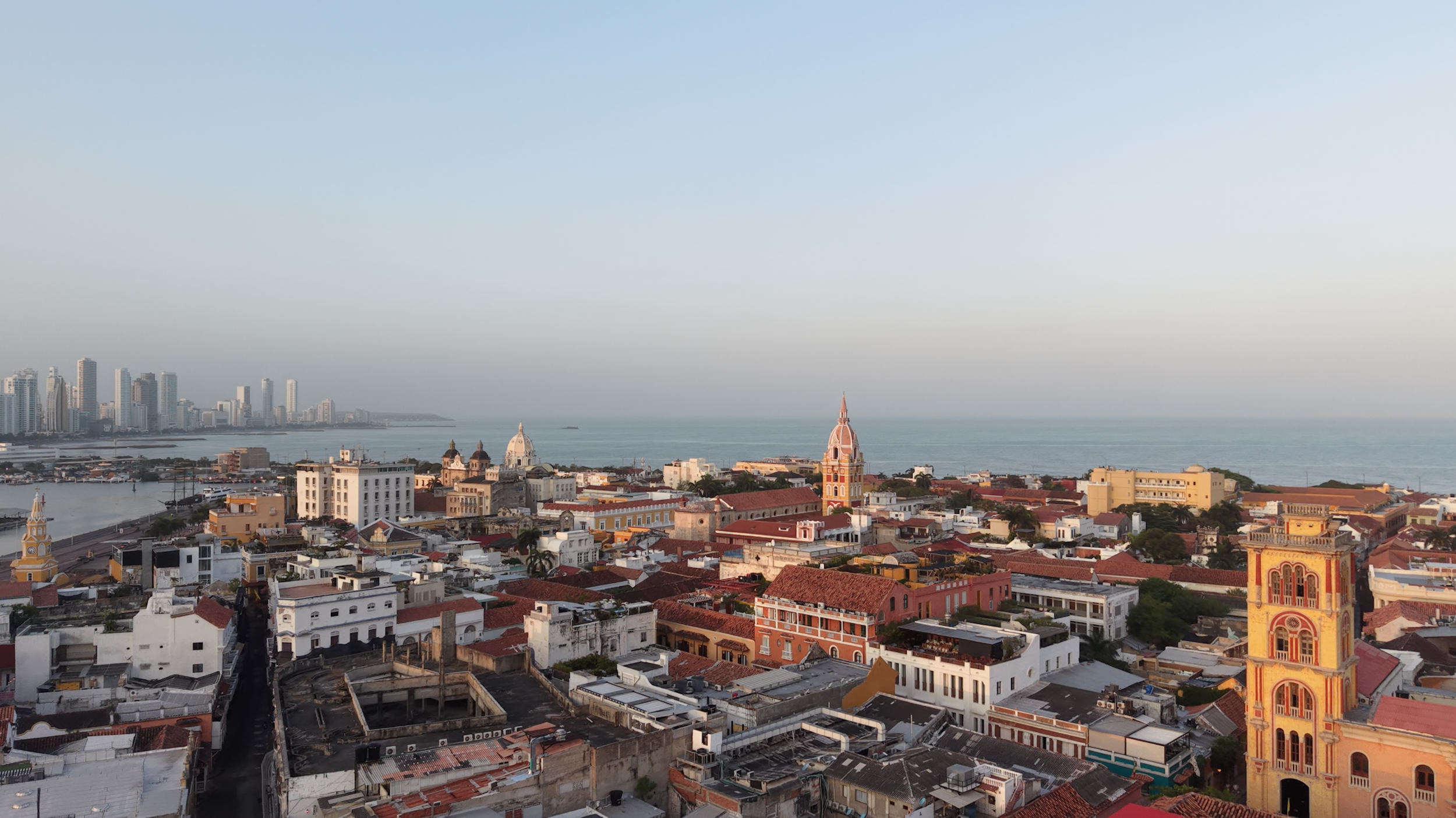 Cartagena, the arrival port and starting point of the expedition.
Because Cartagena is one of the most beautiful colonial cities in South America. The old town with its colourful facades, the street-art quarter of Getsemaní, salsa spilling out of every second bar in the evening. The trailcompass group deliberately starts around New Year: New Year’s Eve in Cartagena is one big street party, the whole city dances. While the vehicles are still in the port, the next day takes you by sailing boat along the Caribbean coast into Tayrona National Park, snorkelling and paddleboarding included.
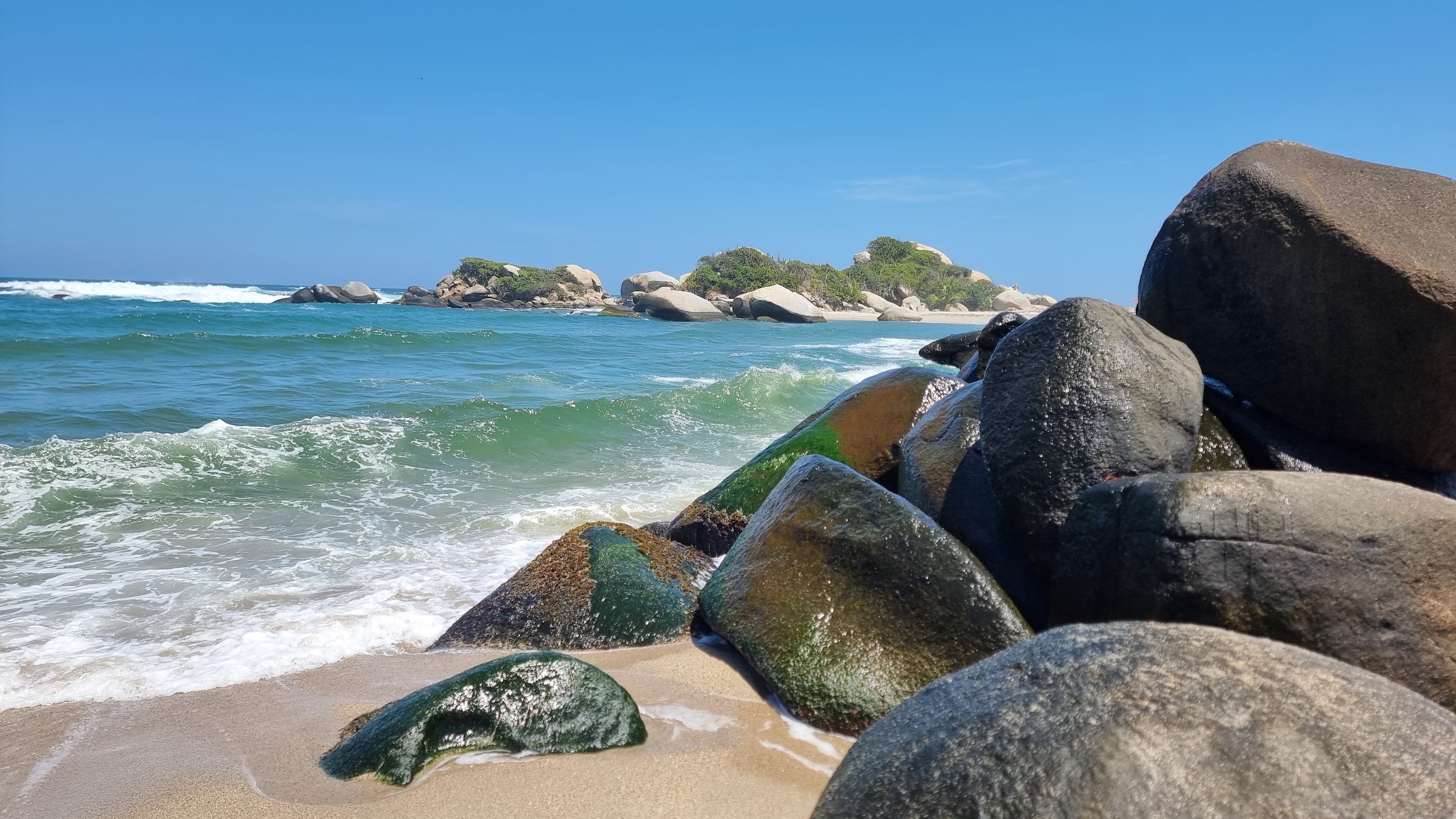 Caribbean rocky beaches in Tayrona National Park.
On foot to the Lost City
Before the wheels roll, the hiking boots come out. Four days of trekking through the jungle of the Sierra Nevada to the Ciudad Perdida, the “Lost City” of the Tayrona culture, up more than 1,200 stone steps to terraces that are older than Machu Picchu and are still guarded as a spiritual site by indigenous communities today. Mules carry the main luggage, you sleep in open camps under mosquito nets, you shower cold. Mountain-hut comfort, just in the rainforest.
The real privilege of this tour: the group is allowed to stay overnight right at the ruins, a permit granted otherwise only to a very small circle of people. Once the last day visitors have headed back down, the Ciudad Perdida belongs to the group alone: sunset over the terraces, stories from the indigenous guardians, and the next morning sunrise over thousand-year-old stones. For many on the trip it is the emotional high point of the journey, before a single off-road kilometre has been driven.
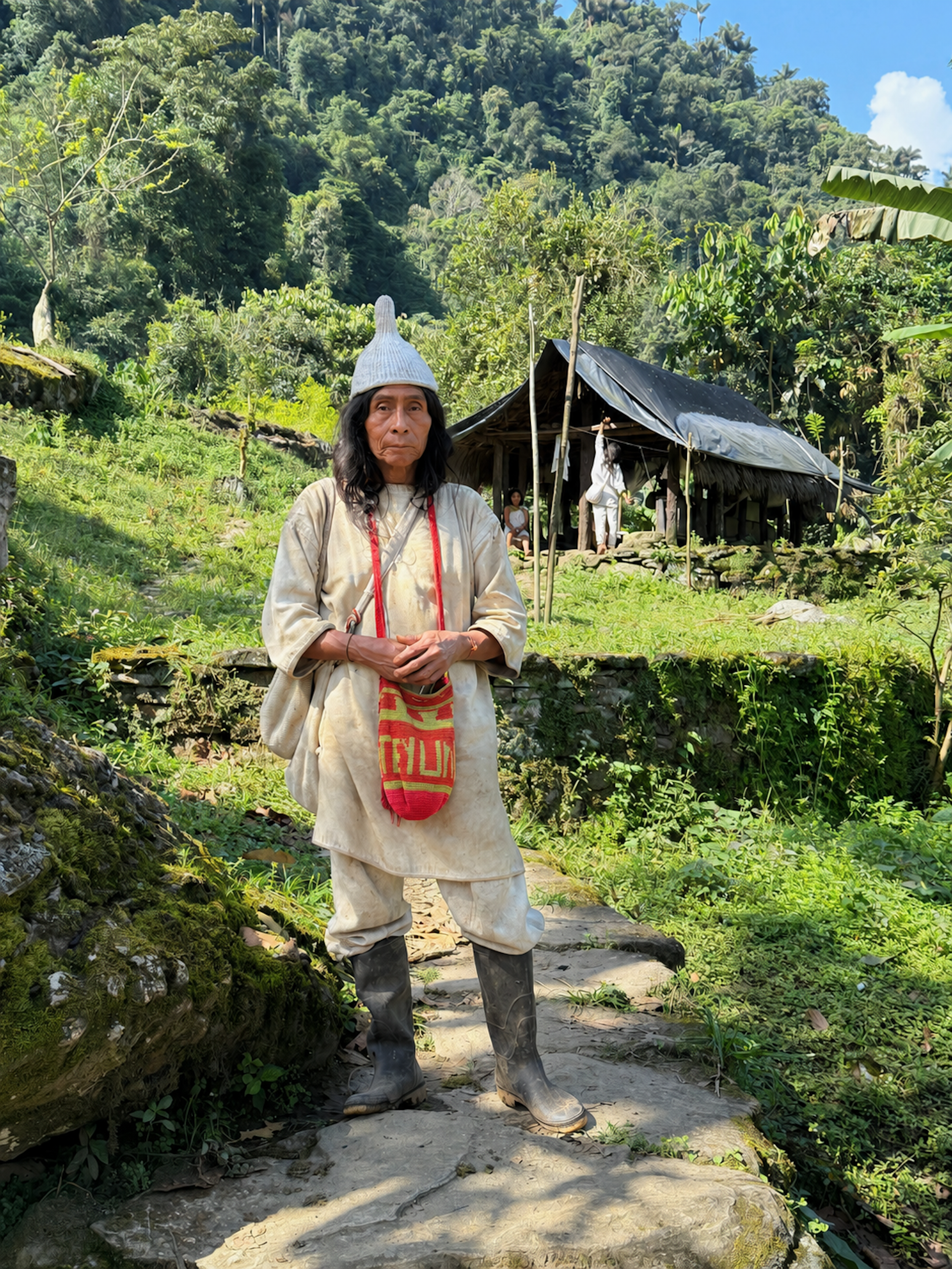 An indigenous guardian at the Ciudad Perdida, the Lost City of the Tayrona culture.
The rally principle: drive alone, arrive together
Back in Cartagena the vehicles are collected, owners’ own expedition rigs from the port and rental campers picked up on site, and then comes the part that sets this tour apart from classic guided convoy trips: the rally principle. Every morning you get the current GPS route, then each team drives on its own. You follow waypoints, find hidden spots along the way, stop wherever you like, and meet the group again in the evening at the stage finish. No exhaust pipe in front of your windscreen, no set pace, just a real sense of driving your own trip.
Only when things get serious, at river crossings, technical key sections or crumbling bridges, does the group wait up and work through together. The lead vehicle carries Starlink, so communication holds even where there has been no mobile signal for days.
The first stage heads to Mompox, a water-locked, almost forgotten colonial town and UNESCO World Heritage Site. After that comes the old railway line into the jungle described at the start, and the first night wild camping by the river, far from any civilisation.
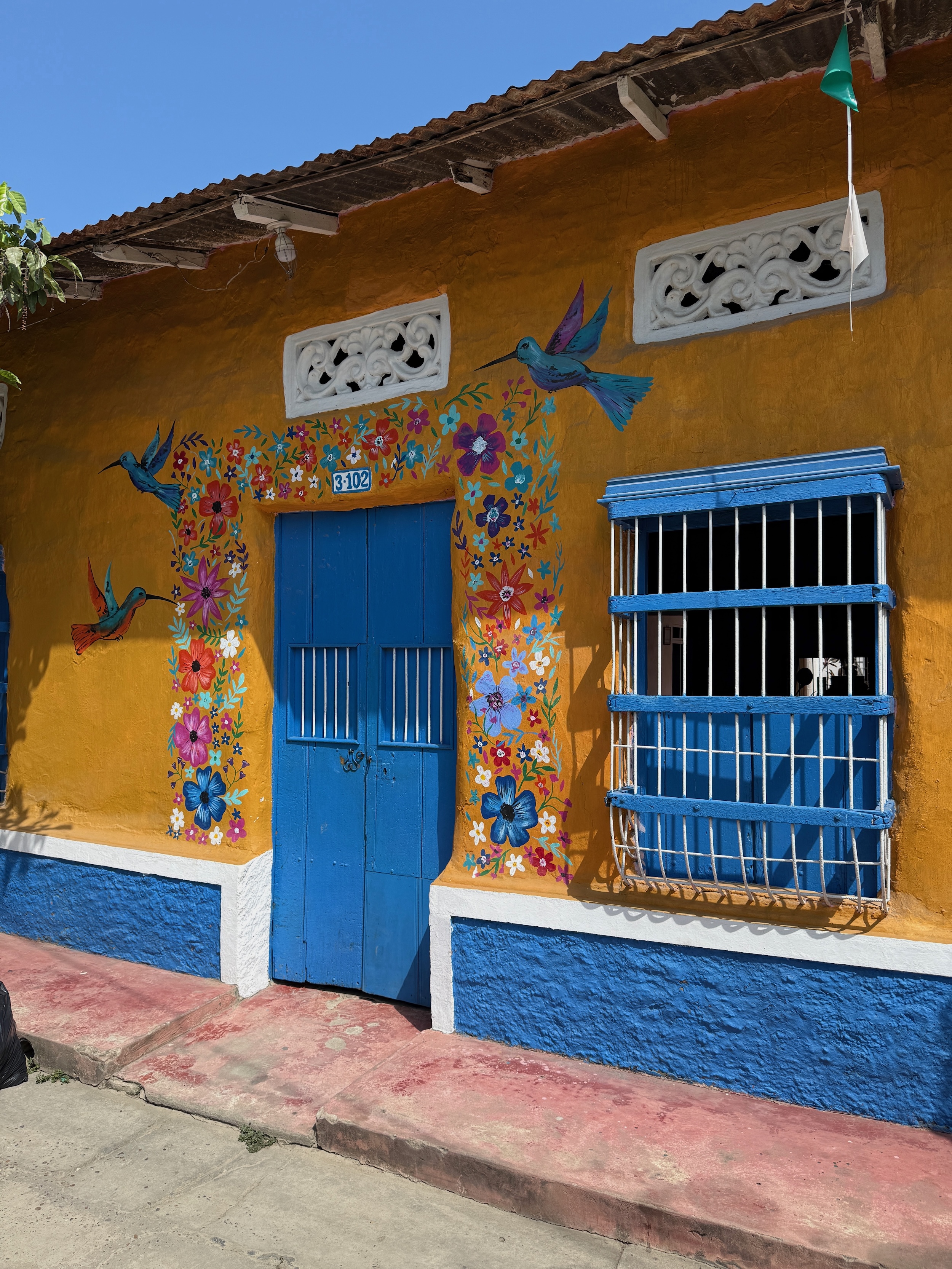 Brightly painted colonial house in Barichara, Colombia.
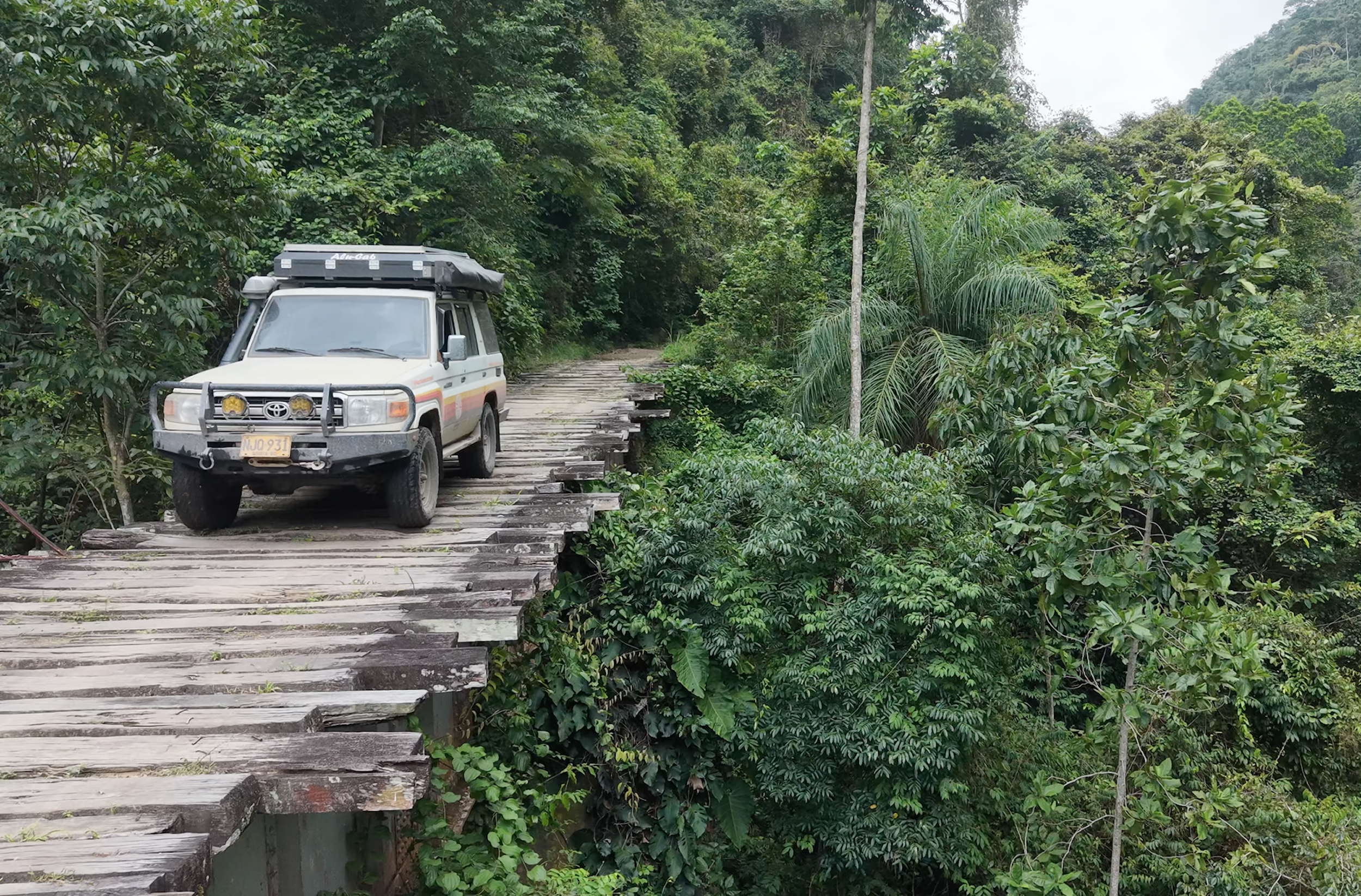 The old railway line takes you deep into the jungle.
Over the Chicamocha Canyon to 4,000 metres
With Barichara the route reaches a very pretty colonial town, two nights at a lovingly run campsite, a walk on the old royal road “Camino Real” and, for the brave, roasted hormigas culonas: fat ants, the regional delicacy. Then it turns alpine. The route winds through the Chicamocha Canyon, the “Grand Canyon of Colombia”, and keeps climbing until the vehicles finally sit in El Cocuy National Park at around 4,000 metres, right inside the protected area thanks to a special permit. Spending the night in your own expedition vehicle in a high-mountain national park: there is nothing else quite like it.
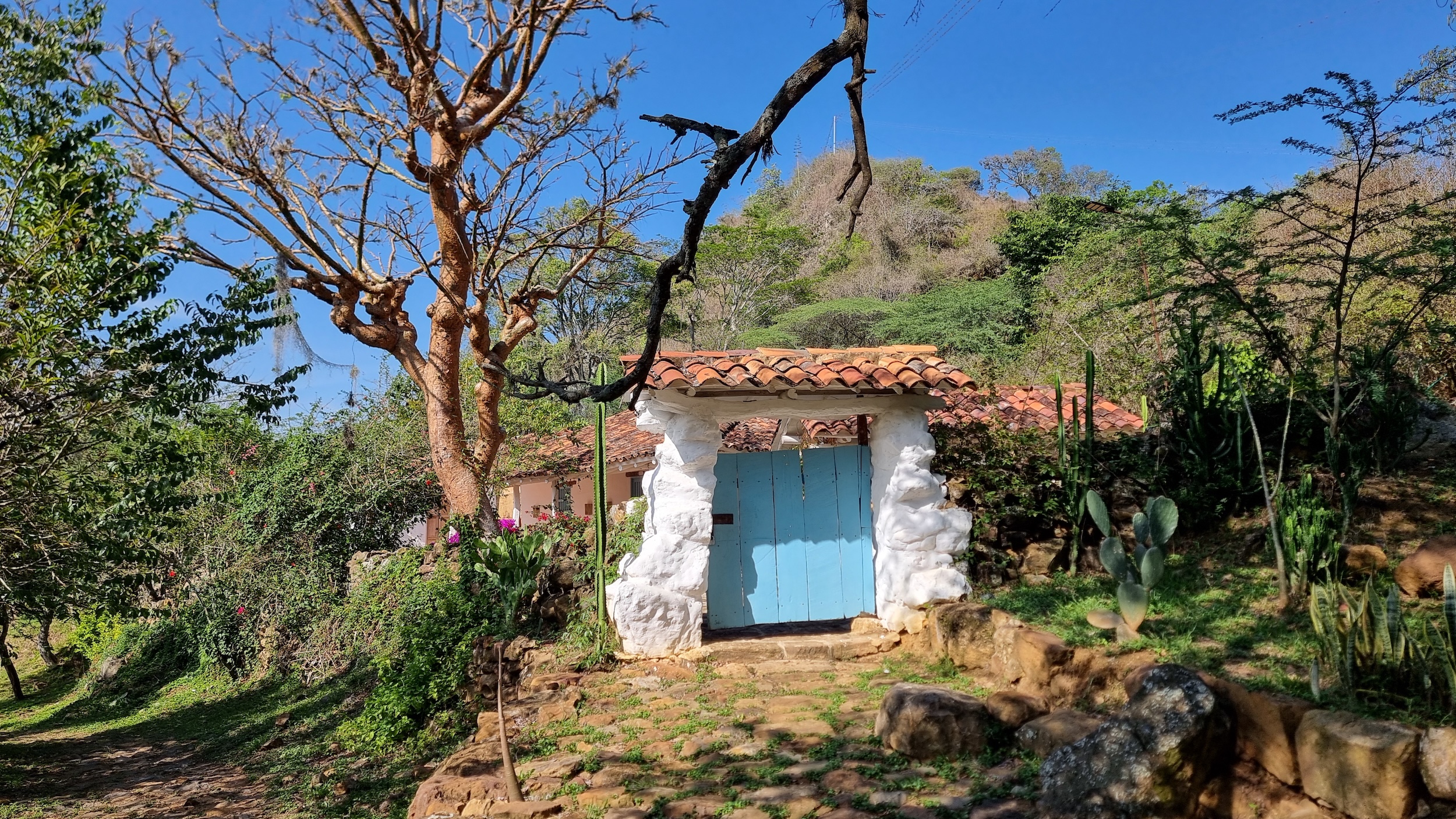 On the old royal road Camino Real near Barichara.
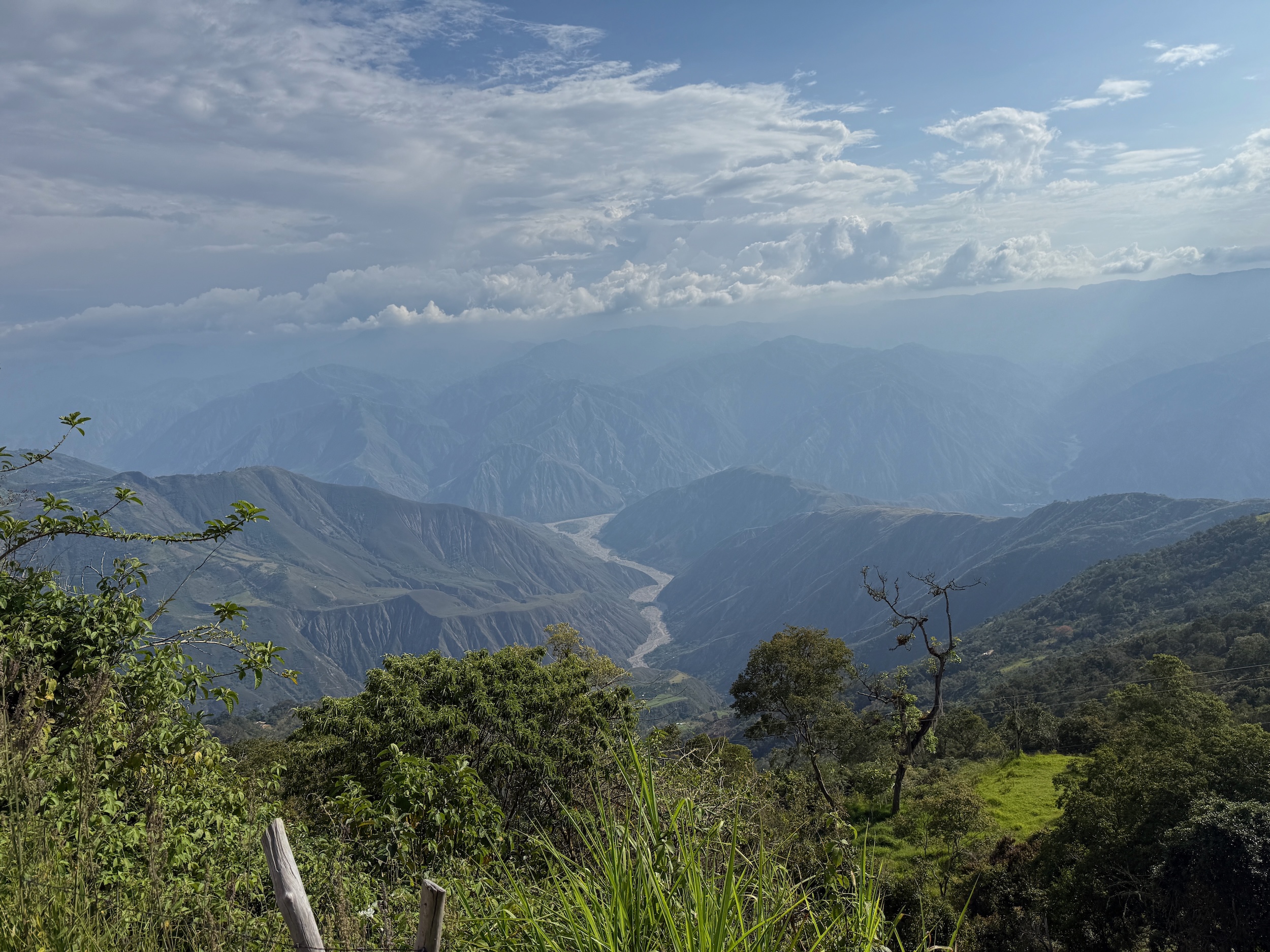 The Chicamocha Canyon, the Grand Canyon of Colombia.
The following day is the athletic peak of the trip: the climb to the Púlpito del Diablo at almost 5,000 metres, a striking monolith at the edge of the glacier. Two mountain guides go with the group, coca leaves help against the altitude, and anyone who feels their body is not playing along is walked safely back down by a guide. This is high-altitude climbing without summit pressure. With a bit of luck you spot condors, spectacled bears or pumas; you will almost certainly spot hummingbirds at 4,500 metres, which on its own is absurd enough. After that the route deliberately drops back to 3,000 metres, because altitude management is part of the plan on this tour.
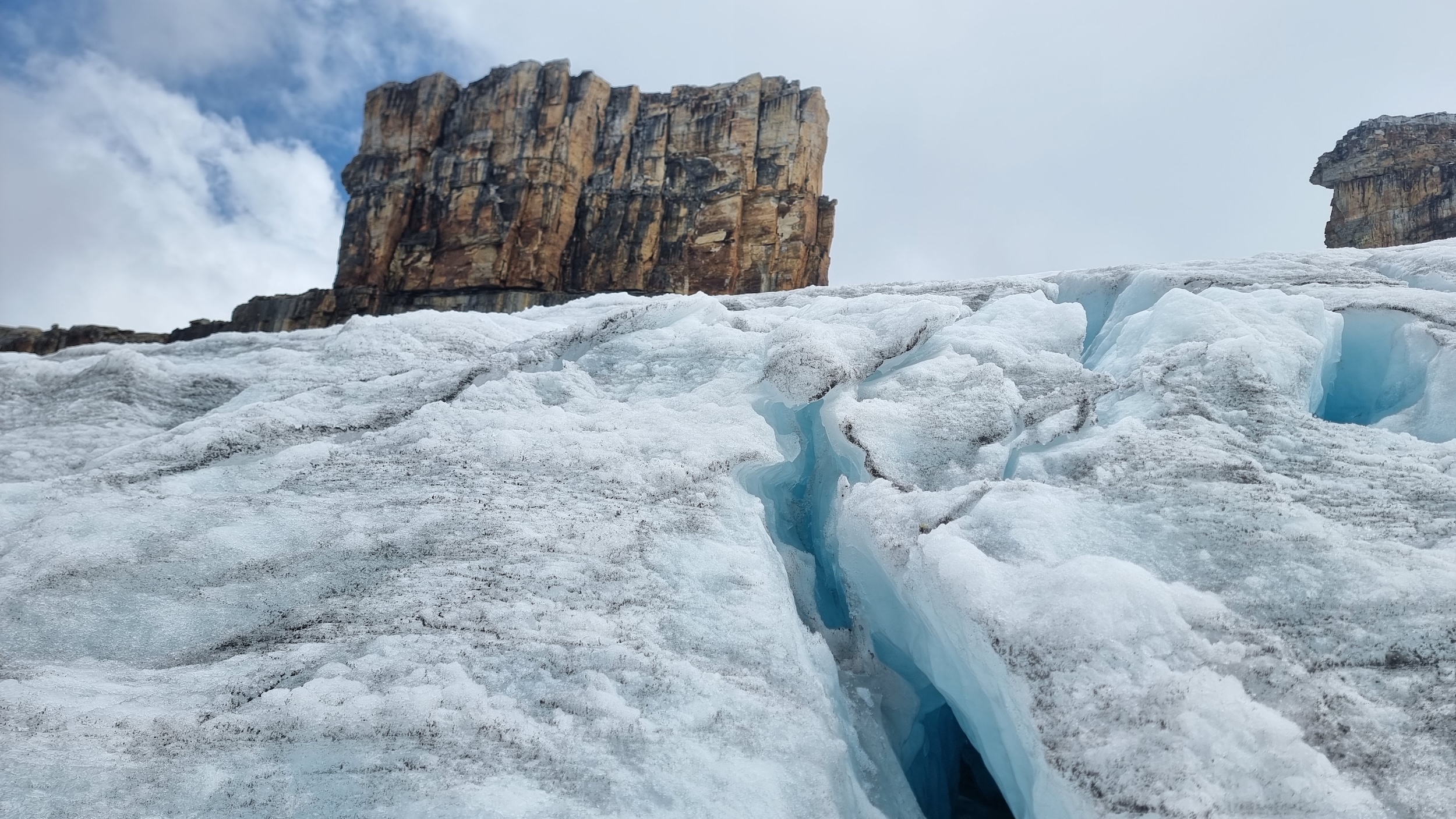 The Púlpito del Diablo by the glacier of El Cocuy.
Llanos: cowboys, capybaras and a DC-3
Through the misty world of the páramo, that unique highland ecosystem that acts as a natural water reservoir for half of Colombia, and through Monguí, the village where footballs are stitched by hand, the route then literally plunges down out of the Andes: tight tunnels, spectacular mountain tracks, and at the end the endless plain of the Llanos opens up, the land of the Colombian cowboys.
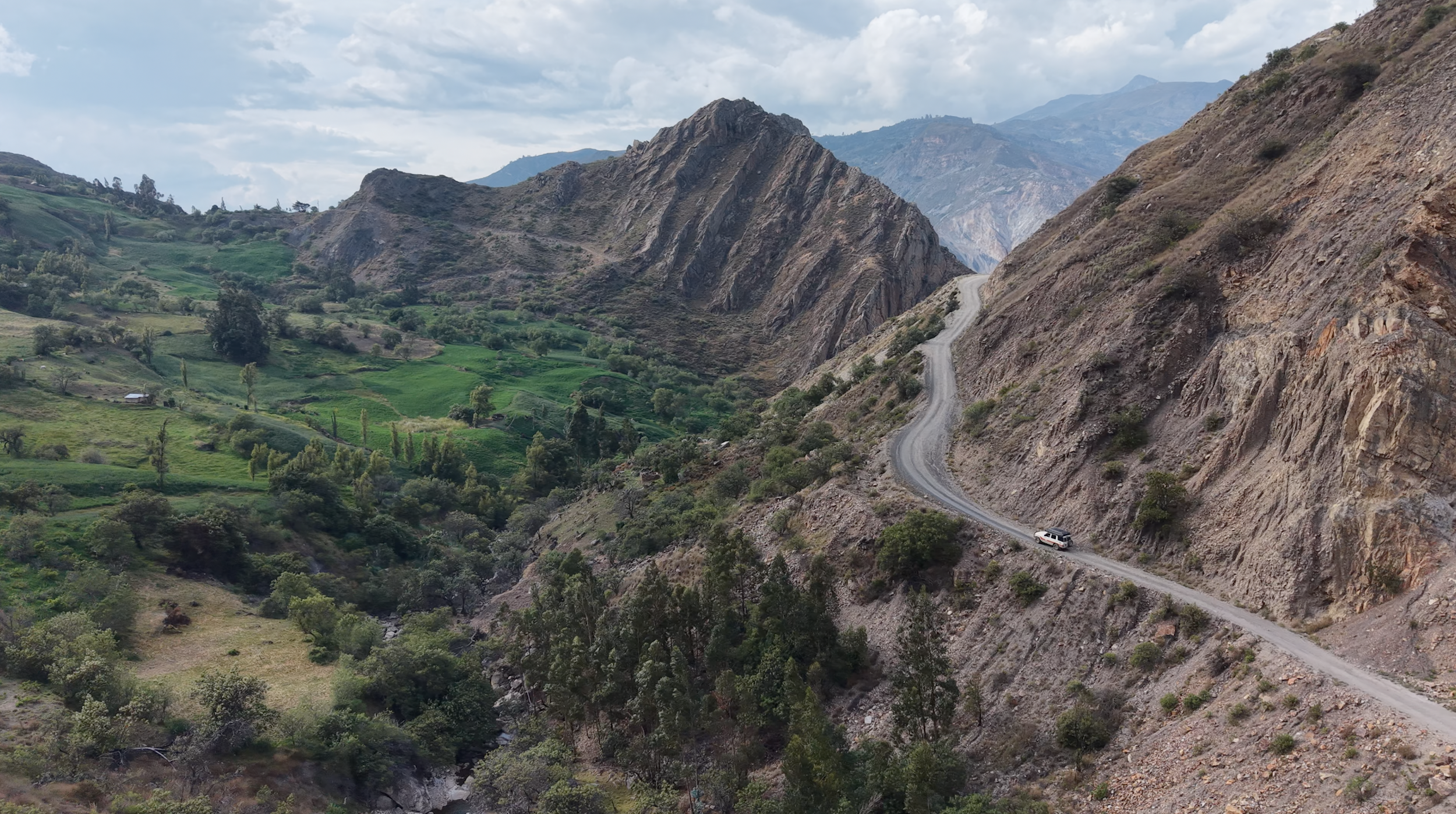 Spectacular mountain tracks on the way down out of the Andes.
At the Hacienda Hato Barley the group sees no staged show, but everyday life as it is really lived: herds of cattle roaming so freely over vast areas that nobody even knows their exact number. A ride out to a sundowner at the lagoon, asado from pasture-raised beef, and the next morning back in the saddle before sunrise, caimans and capybaras included.
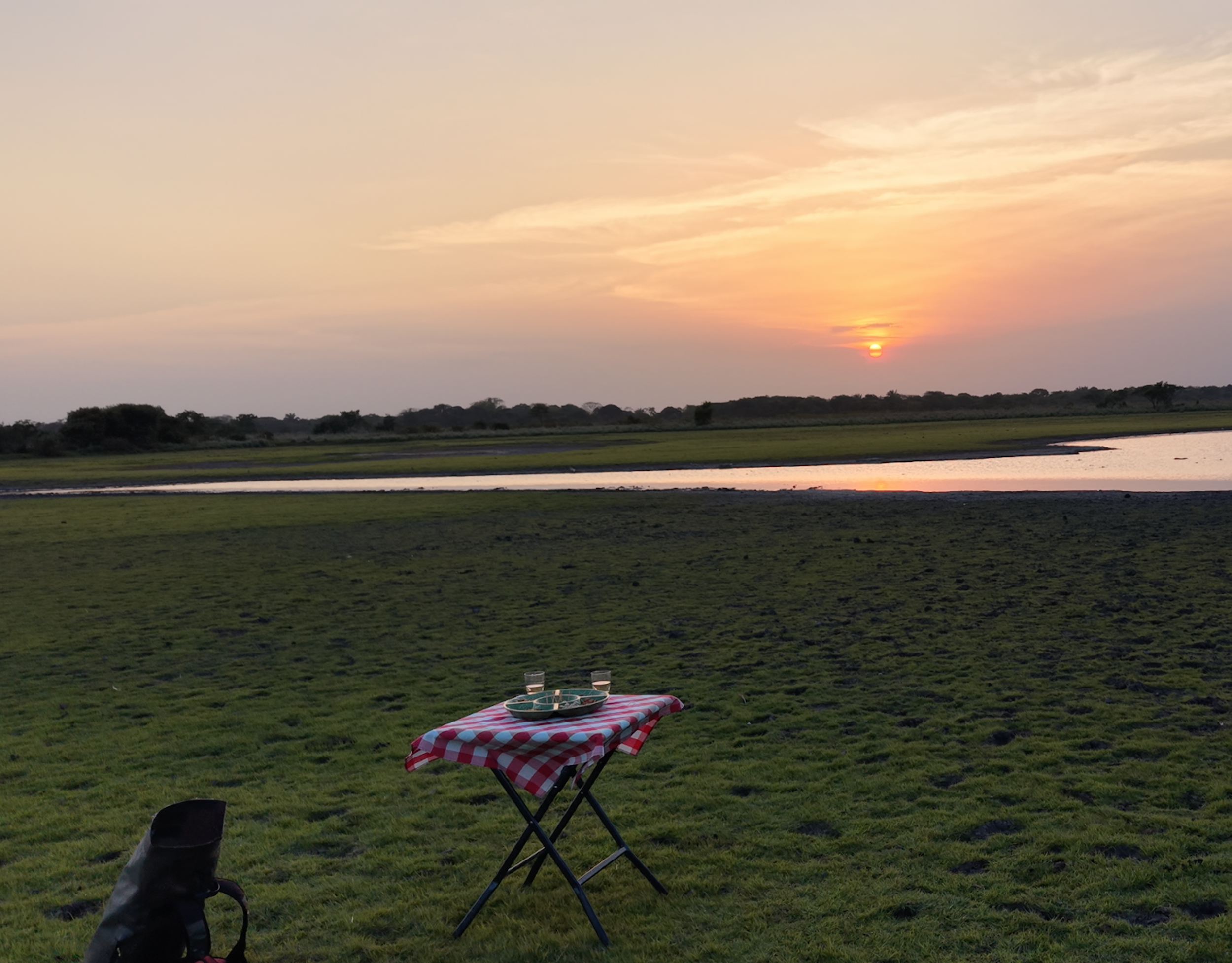 Sundowner at the lagoon in the Llanos.
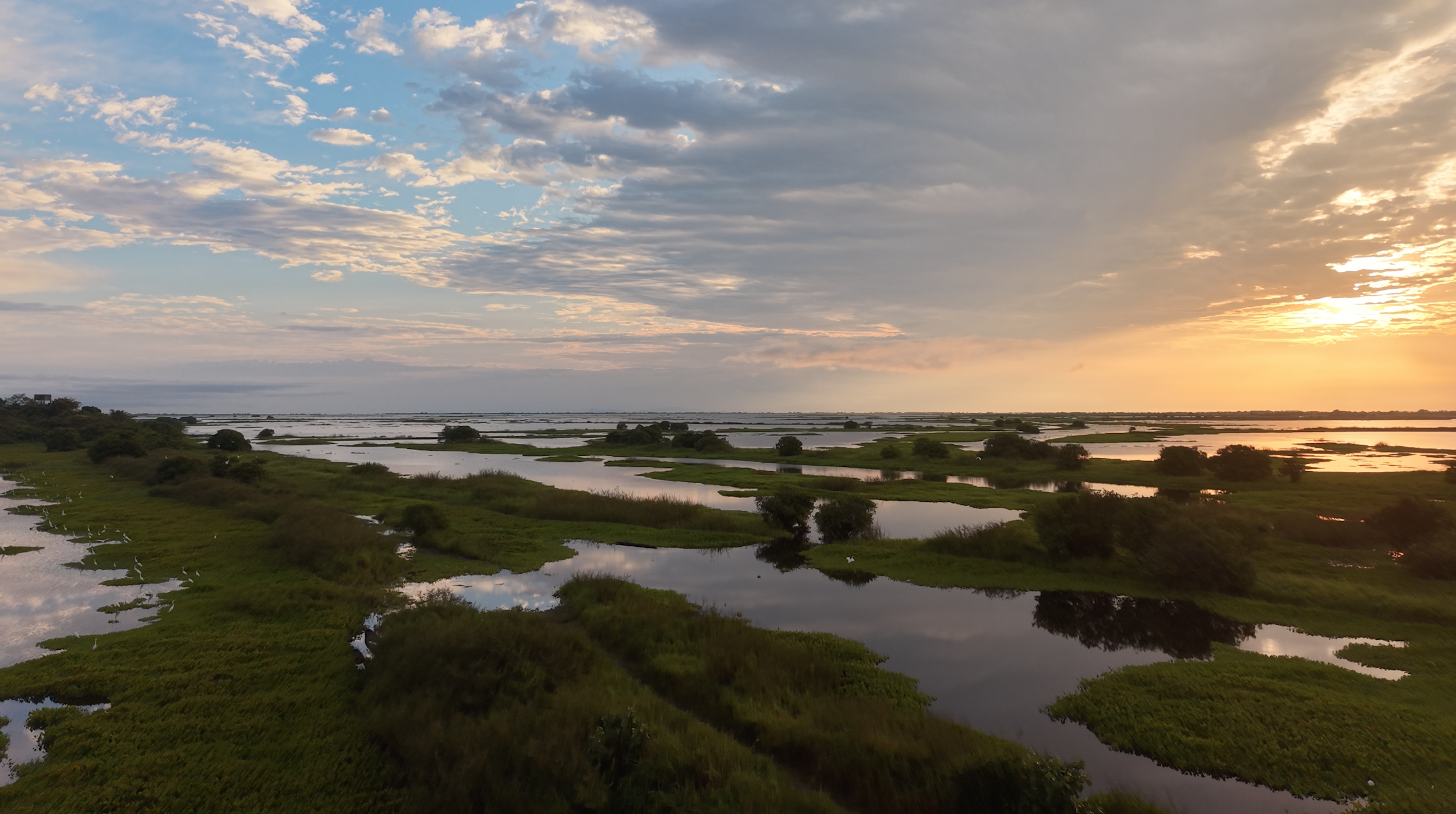 Wide watery landscape of the Llanos in the evening light.
And then the moment that tips this trip into the truly extraordinary for good: a DC-3, yes, the legendary “candy bomber” that still supplies remote settlements here today, comes to collect the group. The vehicles stay with the Llaneros, the propeller plane flies over the endless plain until, out of nowhere, three dome-shaped granite mountains appear: the Cerros de Mavecure on the Río Inírida, part of the ancient Guiana Shield. Three days in the Amazon follow: canoe, a night with an indigenous community, a climb up the granite dome and swimming with pink river dolphins.
Raft ferries, guerrilla country and the liquid rainbow
Back at the vehicles, the toughest driving section of the trip begins. The stage to Orocué on the Río Meta, with deep ruts, mud and eleven hours behind the wheel the next day, is expedition driving in the truest sense. You cross the Río Meta on a simple raft ferry that takes two vehicles at most; just loading it demands precision and nerve. Then comes the emerald-green Cañón del Guape, still genuinely under the radar, which the group drifts through on tubes while oilbirds call through the gorge above them using echolocation.
And then the section that earns respect: crossing former guerrilla territory that is off limits to ordinary travellers. A local guide rides ahead on a motorbike, no helmet, the vehicle windows deliberately left open, part of an unspoken understanding in this region: you show who you are. The reward is the mighty waterfalls of Caño Canoas, where you can walk behind the wall of water, an evening of the bang-and-clatter game tejo with cold beer at a farming family’s home, the raft crossing at La Macarena, home of the famous Caño Cristales, the “liquid rainbow”, and finally, with the last rays of a 360-kilometre day, arrival in the Tatacoa Desert. Camp on the clifftop, an observatory in the evening: here you can see the constellations of both hemispheres at the same time.
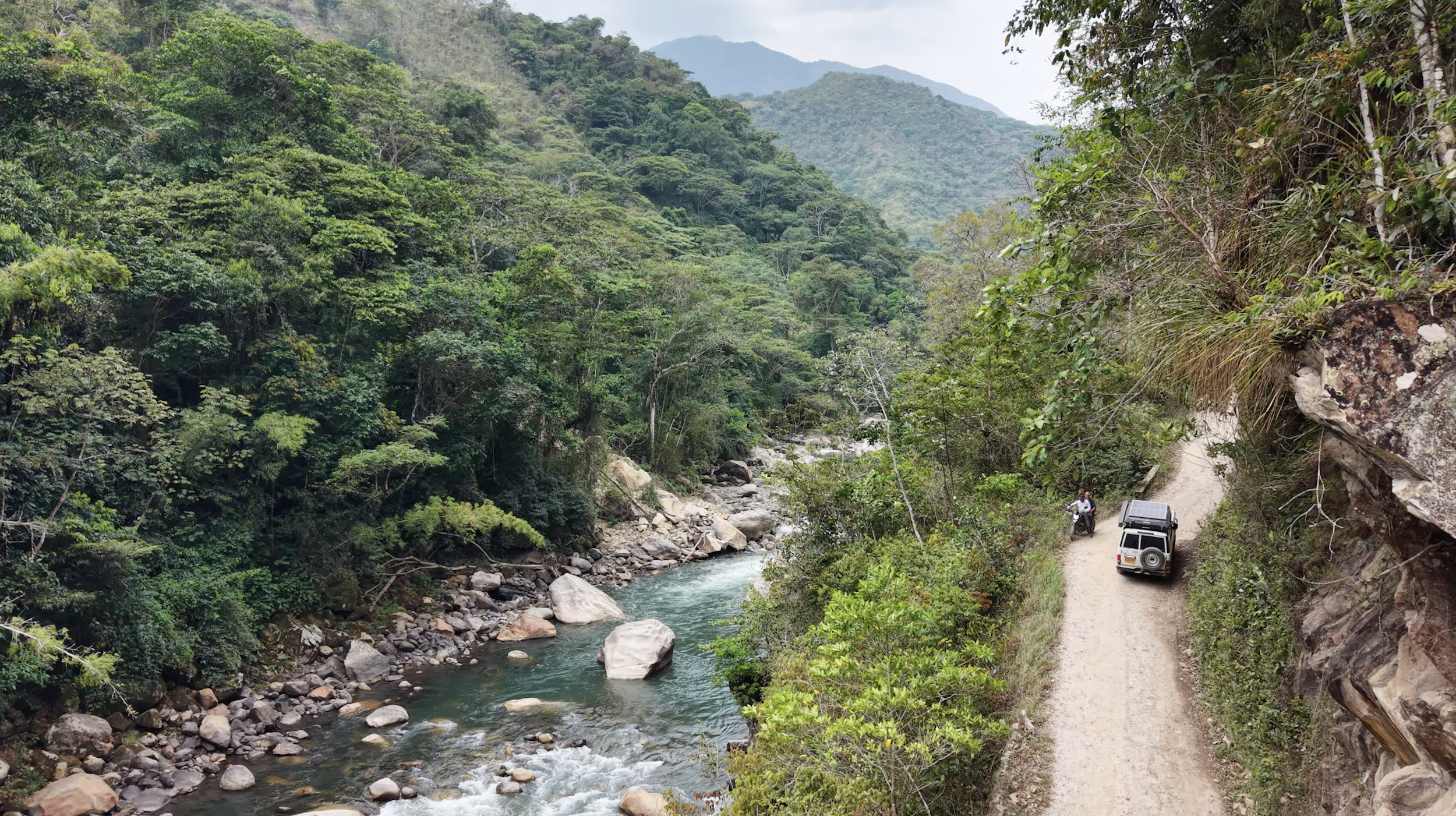
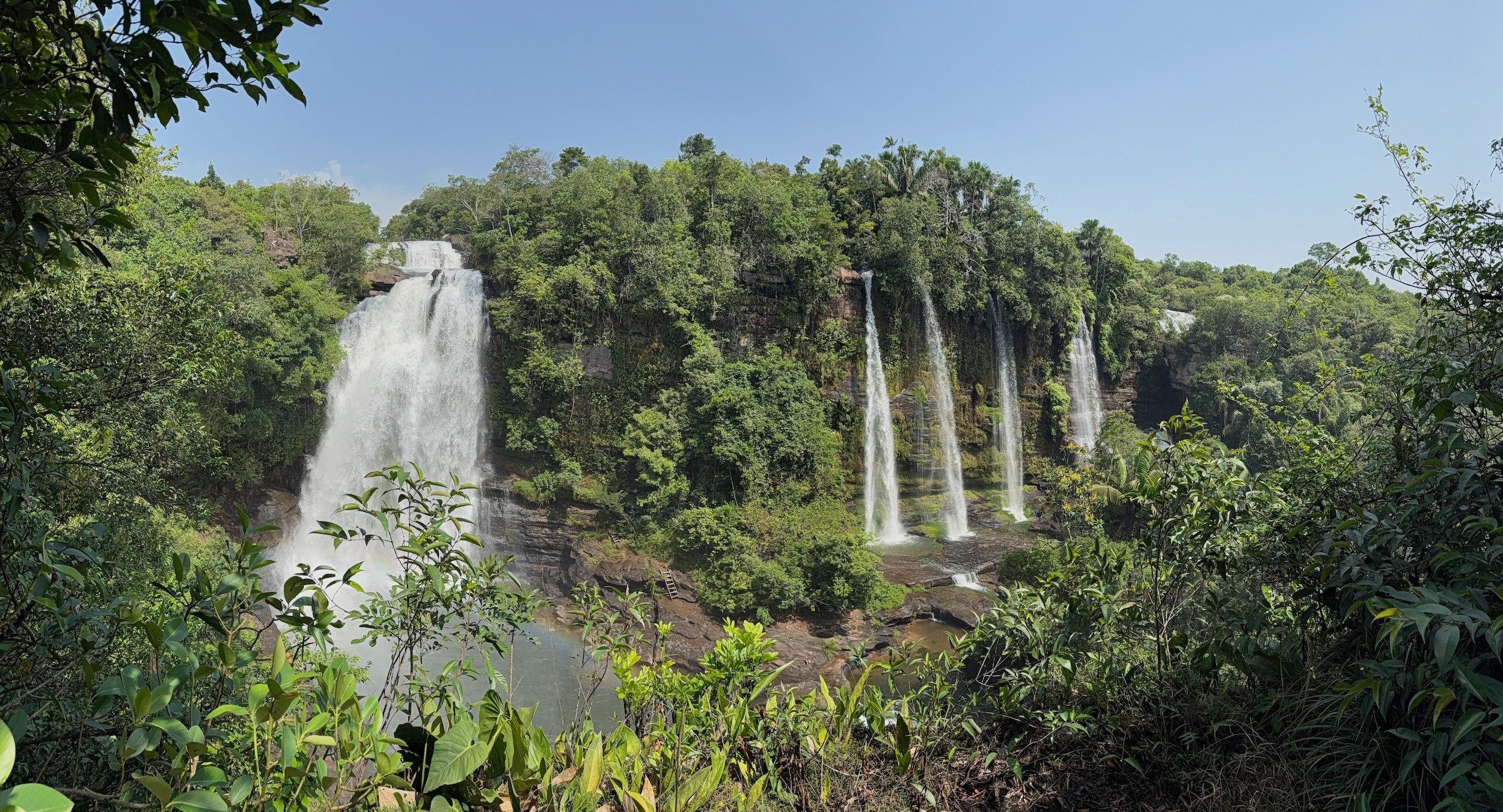 The waterfalls of Caño Canoas in former guerrilla territory.
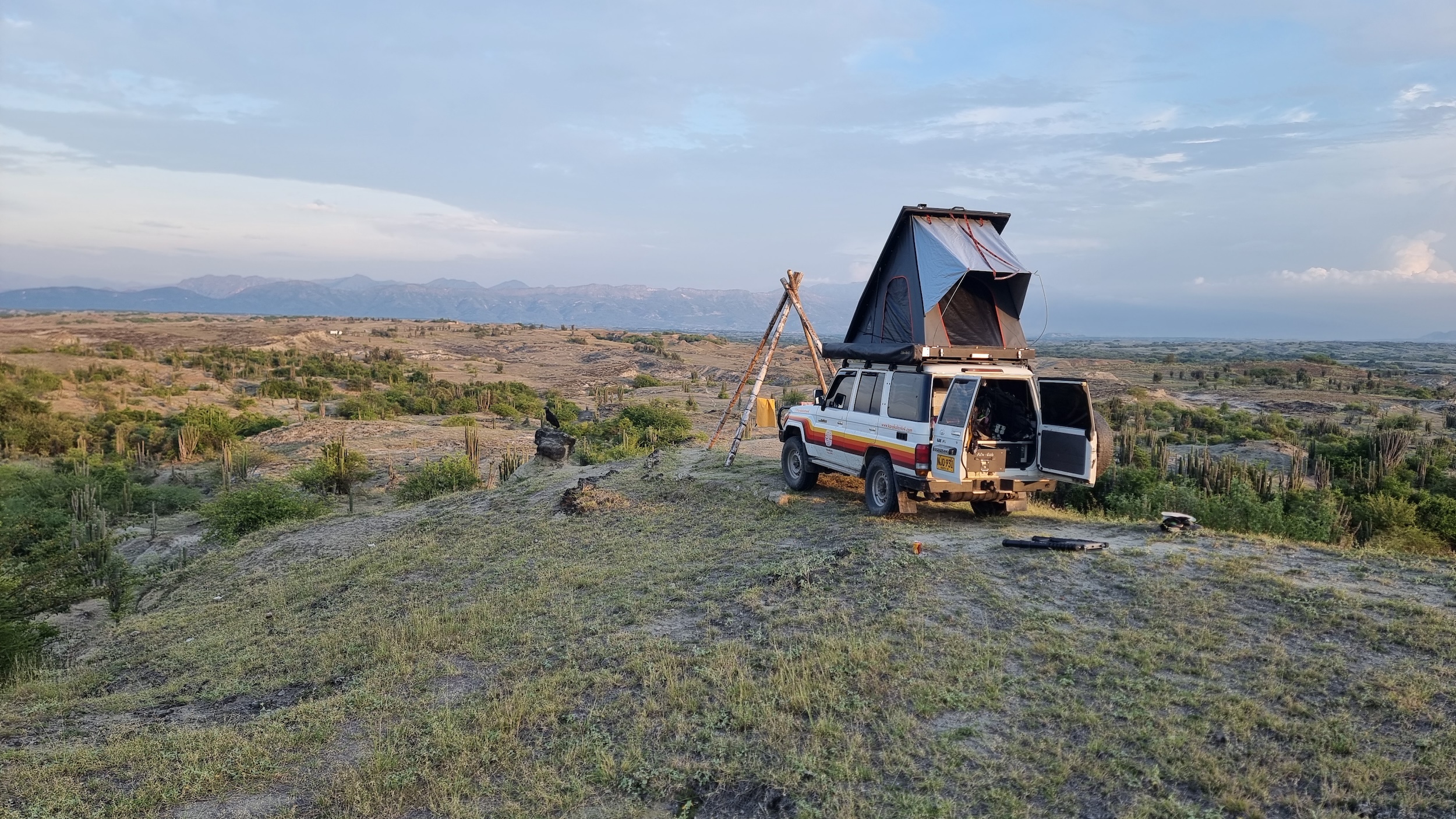 Camp on the clifftop in the Tatacoa Desert.
Coffee, crater, Comuna 13
The final chord has plenty in it once more: out of the desert over yet another old railway line with dark tunnels, up onto the second Andean ridge to a farmer whose homestead sits in an extinct volcanic crater, looking out at an active volcano and ringed by wax palms. The last kilometres up there are among the most technically demanding of the whole trip. After that the coffee zone: at a finca near Armenia you harvest, roast and taste it yourself.
The tour skips the dull tarmac drive back to the coast: the vehicles go back to Cartagena on a transporter, the group flies to Medellín: Comuna 13, street art, cable cars over the city, the story of how a metropolis that was once seen as the most dangerous in the world turned itself around. To finish, Cartagena once more, a farewell dinner in the old town, and after 33 days and around 3,200 kilometres the circle closes.
What you do not get on your own
Some of the strongest experiences on this trip only happen with local contacts and special permits, and those are exactly the doors trailcompass opens for you:
- Overnight right at the Ciudad Perdida, once the last day visitors have headed down
- Camp in your own vehicle in El Cocuy National Park at around 4,000 metres
- Passage through former guerrilla territory with a local guide
- Stages off the route that are simply off limits to ordinary travellers
The verdict
Colombia is ripe for overlanders, but it is not (yet) a sure thing. The mix of shipping logistics, sensitive regions you can only reach with local contacts, special permits like the national-park overnight in El Cocuy or the night at the Ciudad Perdida, and driving stages that genuinely test you, is what makes the difference between a good trip and a one-off. If you bring South America experience, time and patience, you can tackle a lot of it on your own. If you want the full programme in a month, including the places you simply cannot reach alone, then the organised Colombia expedition from trailcompass, in your own 4×4 or in a rental off-roader, is the right call.
Note: the route can vary slightly depending on weather, the security situation and track conditions. That comes with the territory on a real expedition.
About the Colombia tour operator trailcompass
Behind this expedition is trailcompass, an operator that deliberately sets itself apart from classic tour companies. The whole thing is led by Christian Ast, who has worked in tourism for around 25 years and in 2000 was involved in organising the Camel Trophy in Chile, one of the toughest off-road competitions there is. That experience sits in every route today, because the trails are scouted on the ground, refined over years and constantly adjusted to weather, track conditions and the security situation. Also on the team, mainly running the back office, is his wife Katja, who lived in South America for a while herself and worked for an adventure travel operator.
The concept is the rally principle described in this article: during the day you drive on your own by GPS waypoints and meet the group again in the evening, with no more than six vehicles per tour. The operator handles all the paperwork, so vehicle import, return transport and the contacts with local partners. That leaves you the adventure, without the organisational stress.
You can find more about the trailcompass Colombia expedition and the upcoming tours through Ecuador and Peru at trailcompass.de.
Frequently asked questions about the overlanding tour in Colombia
How safe is off-road travel in Colombia today?
Colombia has changed a lot in recent years, because the security situation in the travel regions is far more relaxed today than it was ten years ago. On the guided trailcompass expedition you drive routes agreed with local contacts, and you only cross sensitive sections like former guerrilla territory with a local guide. The lead vehicle carries Starlink, so the group stays reachable even where there has been no mobile signal for days.
Do I need my own vehicle for an overlanding tour, or can I rent an off-road vehicle on site?
Both work. On the organised trailcompass expedition you can ship your own expedition vehicle from Europe to Cartagena or pick up a quality rental camper on site. That way you drive the same route whether you bring your familiar vehicle or arrive with no vehicle of your own at all.
Which vehicle do I need for the expedition?
Your 4×4 should be more than an ordinary car, so a reliable companion off the paved road. Pinzgauer, Unimog, Defender, Land Cruiser or a similarly expedition-ready build: what matters most, alongside type and equipment, is your driving skill and your experience. On selected trips trailcompass also arranges quality off-road rental vehicles through local partners.
What driving experience do I need, is the tour doable for beginners too?
The tour is demanding, because there are river crossings and crumbling bridges where precision counts. But nobody drives those key sections alone, because the group comes together there and works through them as one. You should bring some off-road experience and a real appetite for driving yourself, and the trailcompass concept with its experienced guides covers the rest.
When is the best time of year for a 4×4 tour in Colombia?
The trailcompass expedition deliberately starts around New Year, because the conditions at that time suit most of the stages well. New Year’s Eve in Cartagena is also a huge street party, which makes for an atmospheric start before the wheels hit the track.
How does my vehicle get to Colombia, and how does shipping via Cartagena work?
Your expedition vehicle travels by ship to Cartagena, the classic arrival port for vehicles from Europe. The sea crossing alone takes about three to four weeks, plus port and customs times on the ground. After you hand your passports to customs, it can take up to four days before you may collect your vehicle, and those are exactly the days the trailcompass group uses for the old town of Cartagena and the trek to the Ciudad Perdida.
What do I need to keep in mind for customs, vehicle import and insurance?
If you travel in your own vehicle, you will face entry, customs formalities and the temporary import of the vehicle, and the rules differ a lot from country to country. In many countries you need a Carnet de Passages, a customs document for the temporary duty-free import of your vehicle. Also check early with your insurer whether your vehicle is even covered in the destination country, because German cover often is not enough and you will need local third-party insurance. trailcompass and its local partners help you prepare these formalities properly.
How cheap is travelling in Colombia?
Colombia is surprisingly affordable. In March 2026 diesel cost around €0.60 a litre, and the toll for a whole month came to about €80. That makes the on-the-ground travel costs some of the lowest you will find in South America for a route like this.
What costs come on top of the tour price?
On top of the actual tour price you should budget for further items, such as getting there, shipping your vehicle or the vehicle rental, plus fuel, tolls, visas, vaccinations and insurance. Catering is largely included in the price, while the odd extra meal and personal spending come on top depending on the stage. If you factor in these extra costs from the start, your budget for the trailcompass Colombia expedition stays realistic.
Can you explore Colombia off-road on your own, or is a tour operator worth it?
With enough South America experience and patience you can drive much of it alone. But you only reach the biggest highlights with local contacts and special permits, such as the overnight at the Ciudad Perdida or the camp in El Cocuy National Park at 4,000 metres. Those are exactly the doors trailcompass opens, which is why the organised expedition is worth it if you want the full programme in a month.
What happens if I reach my limits on the guided trailcompass tour and need help?
You are never really alone on the expedition. During the day you drive your own pace by the rally principle, but at river crossings and technical key sections the group waits up and works through together. On the climbs to altitude, such as El Cocuy National Park at around 4,000 metres or the Púlpito del Diablo at almost 5,000 metres, two mountain guides go with you, and anyone who feels their body is not playing along is brought safely back by a guide. With its altitude management and the Starlink in the lead vehicle, trailcompass makes sure you can throw yourself into every stage without coming under pressure.