

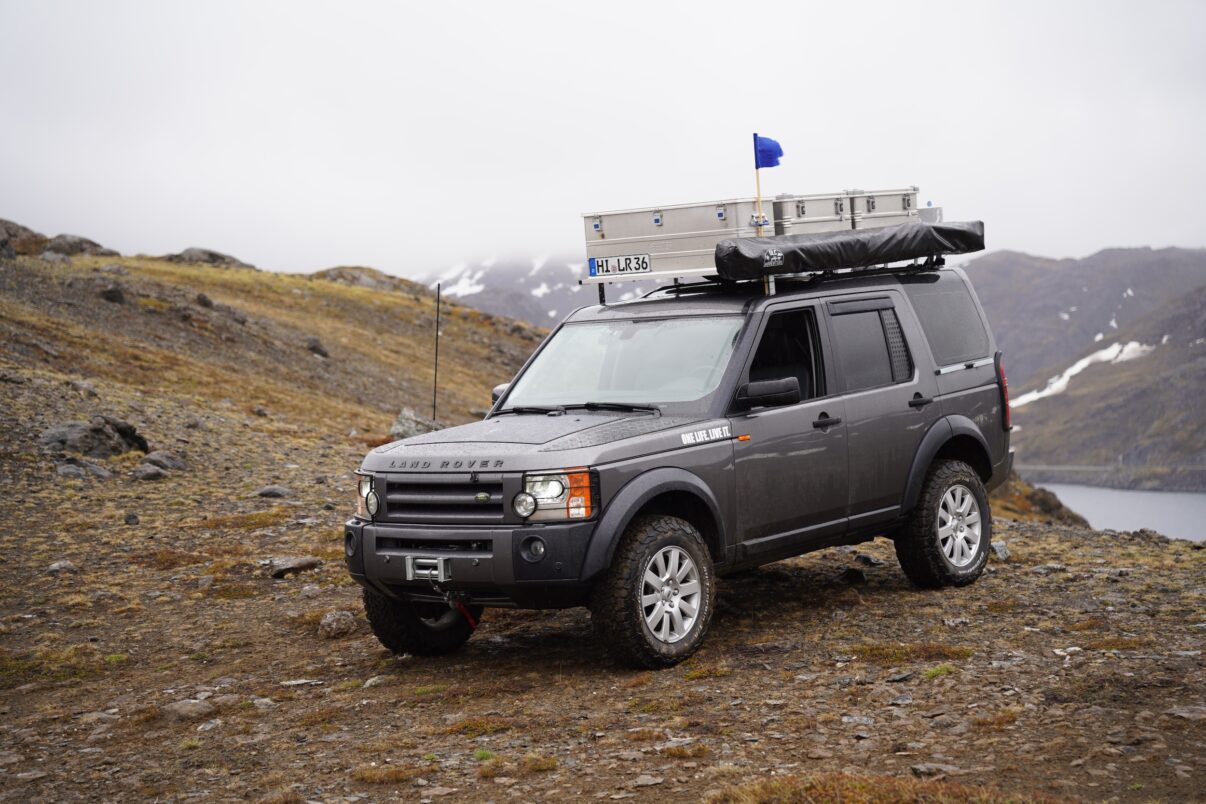

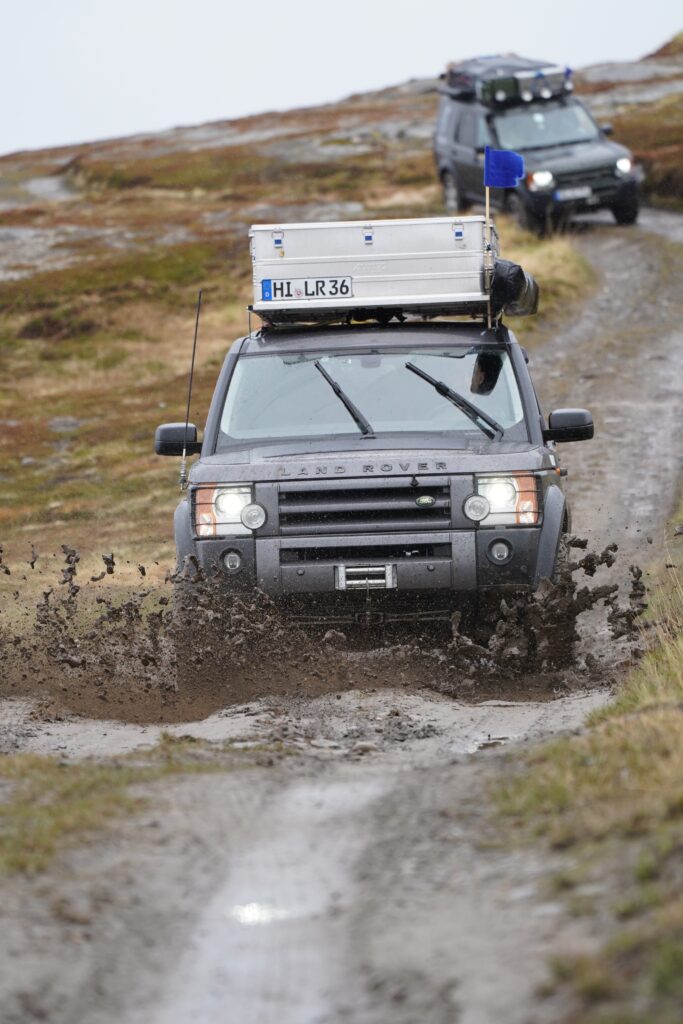
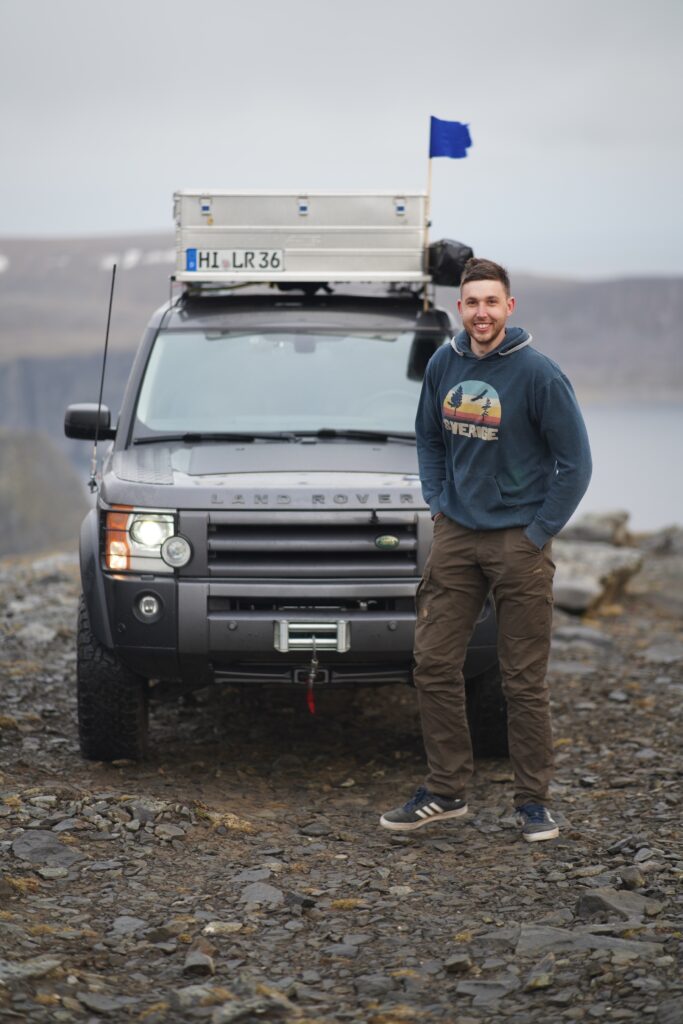
After his first travel experiences in a BMW e36 in Scandinavia, Elias longed for more independence and flexibility. His choice fell on the Discovery 3. With the help of his grandfather, an experienced master joiner, and the support of a few technically minded friends, Elias turned the Disco 3 into a fully equipped camper. Fitted with a dual-battery system, a comfortable place to sleep, a water tank, a shower, practical storage and an extra tank on the roof, the vehicle became a real adventure companion. He reports on his adventures on his YouTube channel, where he already has more than 50,000 subscribers. What all Elias converted, and what plans he still has for the vehicle, you’ll find out in our interview.
Why did you choose the Discovery 3?
After years travelling in Scandinavia with my BMW e36, a change was needed. The space, and always having to sleep outside, were reason enough really. On top of that the BMW simply held me back. I could basically only drive tarmac roads.
After a lot of research and with an eye on my budget, I finally settled on the Land Rover Discovery 3. For the first trip I just removed the rear seats, put in a mattress, fitted a roof rack with boxes, loaded all the gear I still had from my first trips to Scandinavia and set off.
You are currently seeing placeholder content from YouTube. To access the actual content, click the button below. Please note that data will be shared with third-party providers in doing so.
After the first trip with the new car I quickly realised that this is exactly the right way for me to travel, in a 4×4. After the trip I sold the Disco 3 again, though, because the plan was to buy and build out a Puch G230 with my girlfriend at the time. When that didn’t happen after all, I eventually bought my second Discovery 3 and this time started to build it out completely.
Did you build the interior of the Discovery 3 yourself?
I did most of it myself. A friend who also owns a Disco 3 helped me now and then with various jobs on the vehicle. I built the interior together with my grandad. He’s a master joiner and has everything you need for a project like this down in his cellar. I’ll be forever grateful that, at his advanced age, he built me this lovely interior with his lifelong experience.
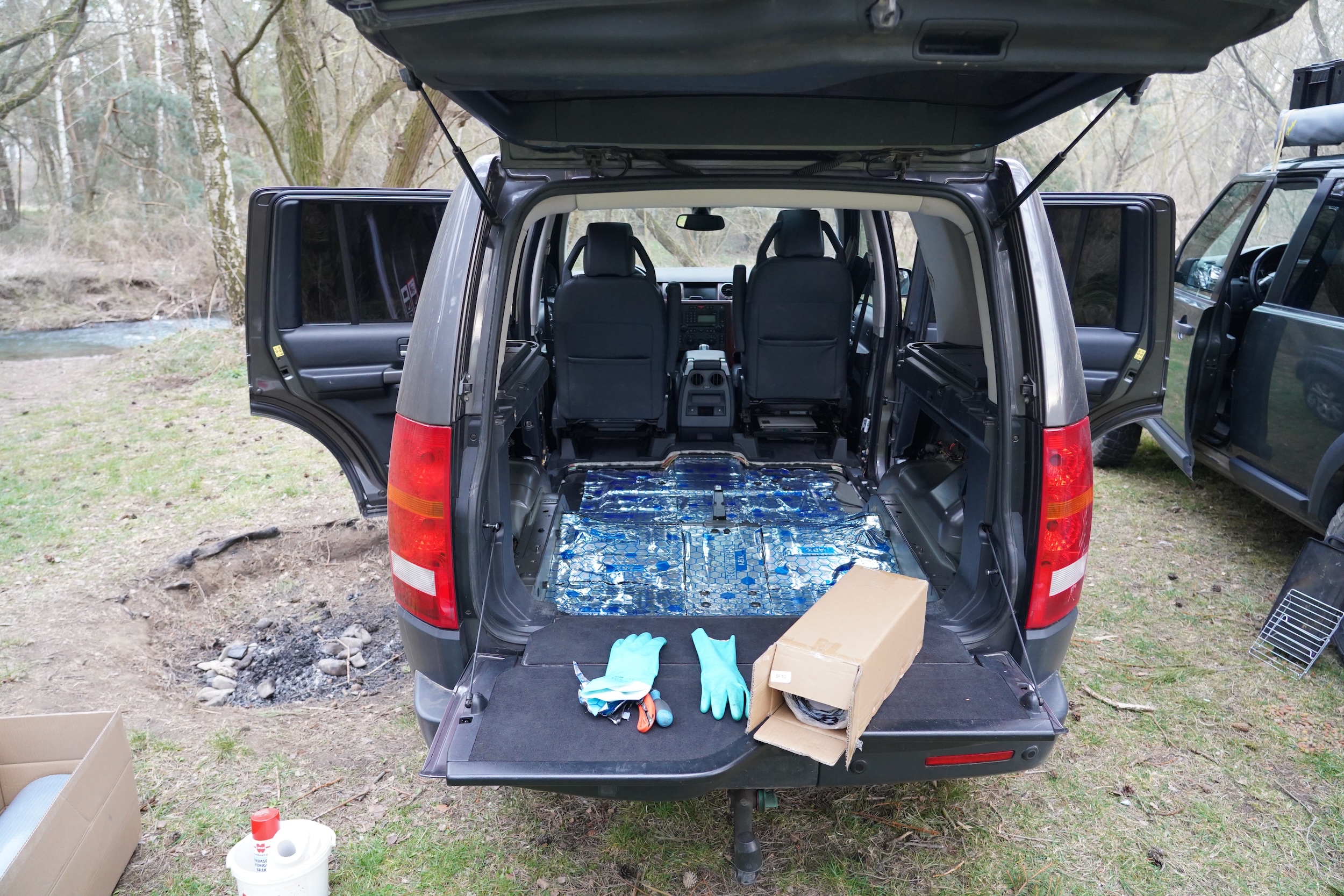
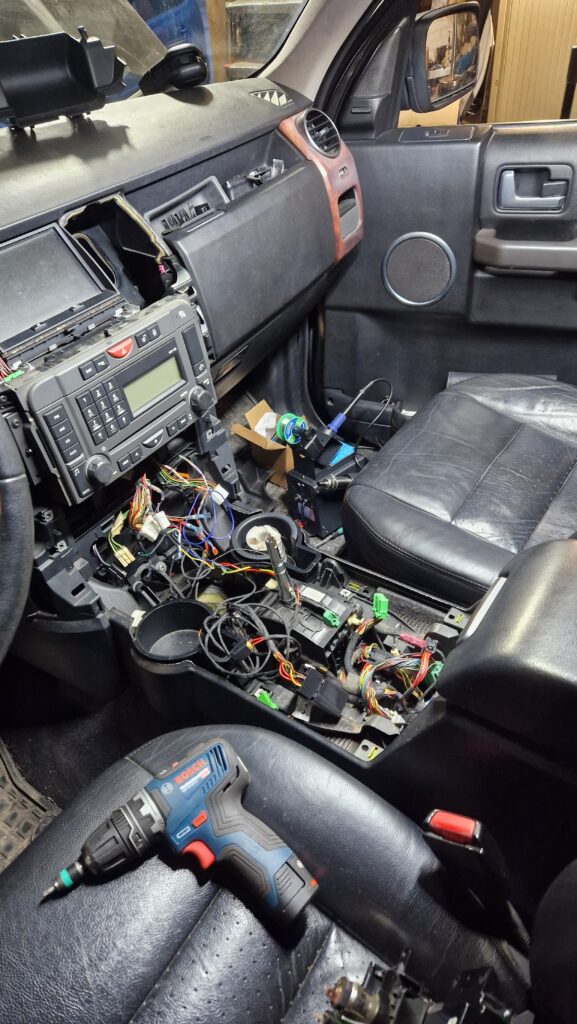
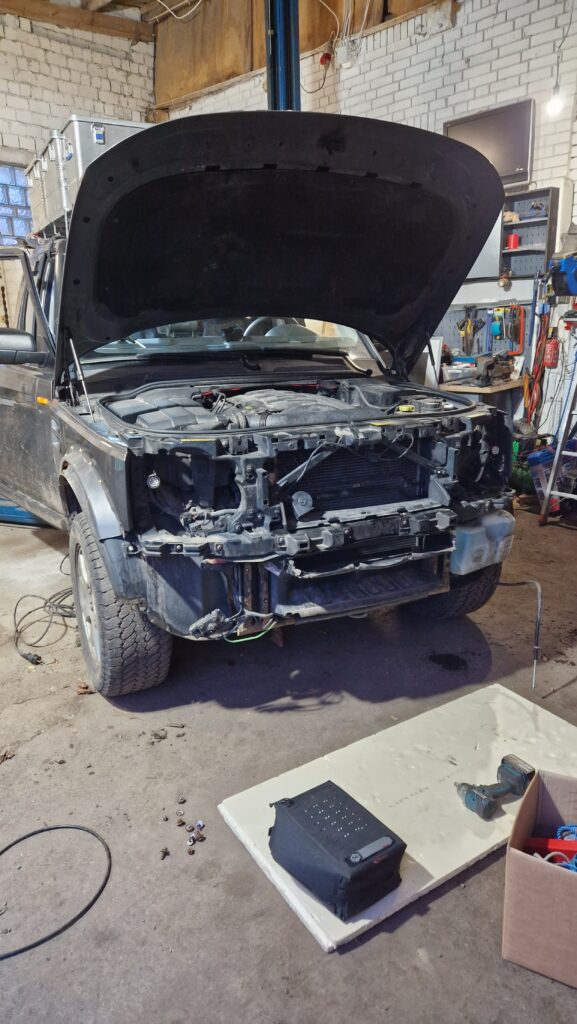
For the electronics I have friends who install or improve things for me now and then. The Disco 3 is a bit sensitive there, so I’d rather leave it to the pros.
What was the goal of the build?
Clearly to create a 4×4 that’s ready for a world trip and ready to leave at any time. The Disco 3 offers pretty much everything you could want in a 4×4 and is also very well suited to conversions towards a 4×4 camper. I even managed to get it registered as a motorhome.
How did you go about the build and the planning?
I sat for many hours in the empty vehicle, thinking about all sorts of things and reading up. Here and there I got inspiration from others, though there are only a few people who’ve built this vehicle out inside with a place to sleep. Then I just got stuck in. When something didn’t work, I thought about how it could work differently. And I always did it in a way that left me happy with it in the end.
What kinds of cabinets did you build? What materials did you use?
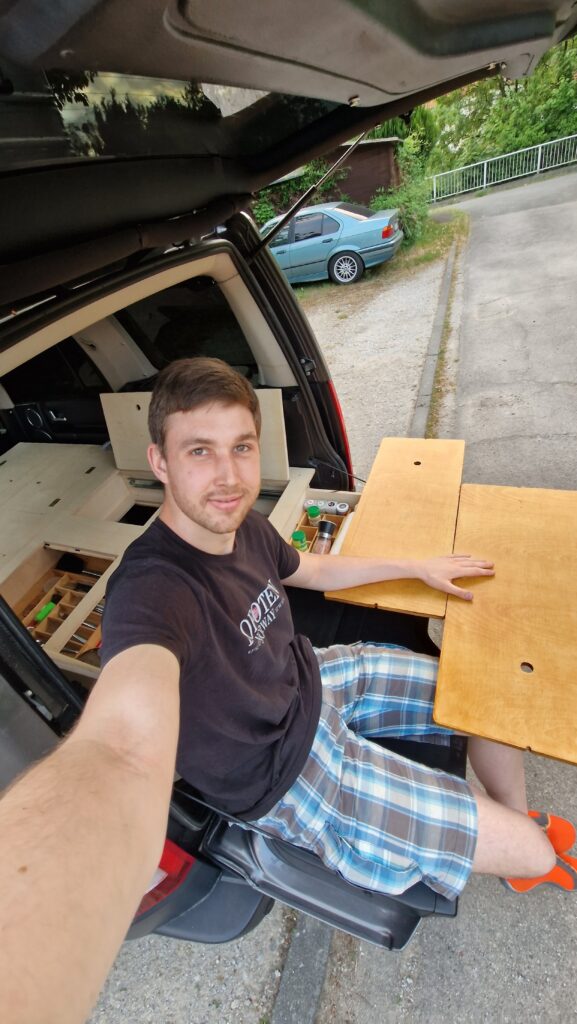
I didn’t build cabinets as you’d expect them or know them from other vehicles. My interior is a flat surface that can be extended for sleeping, has pull-out drawers at the rear and, in the middle section, two very large storage compartments with a flap system.
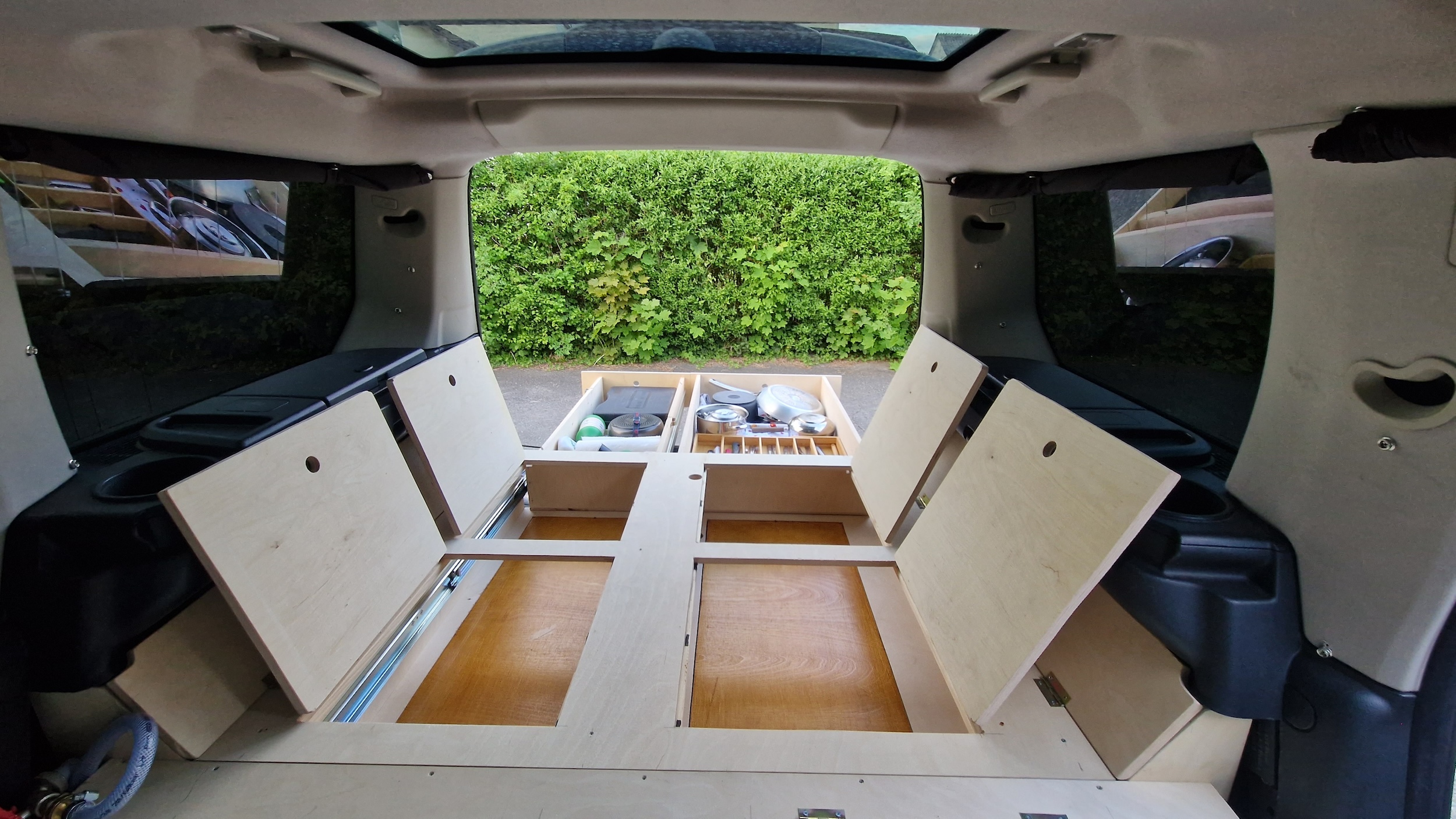
For that I used 16 mm birch plywood back in 2022. Sadly I didn’t yet know about the much lighter wood that’s widely used now. So my interior weighs about 100 kg. But since it was a devil of a job and it works very well, I won’t change it any further.
The drawers of course have heavy-duty runners. The flap system works quite simply with hinges.
What’s special about your build?
As mentioned, there are few people who actually sleep inside the Disco. Most have a roof tent on top. That wasn’t an option for me, though. So I worked out my build piece by piece.
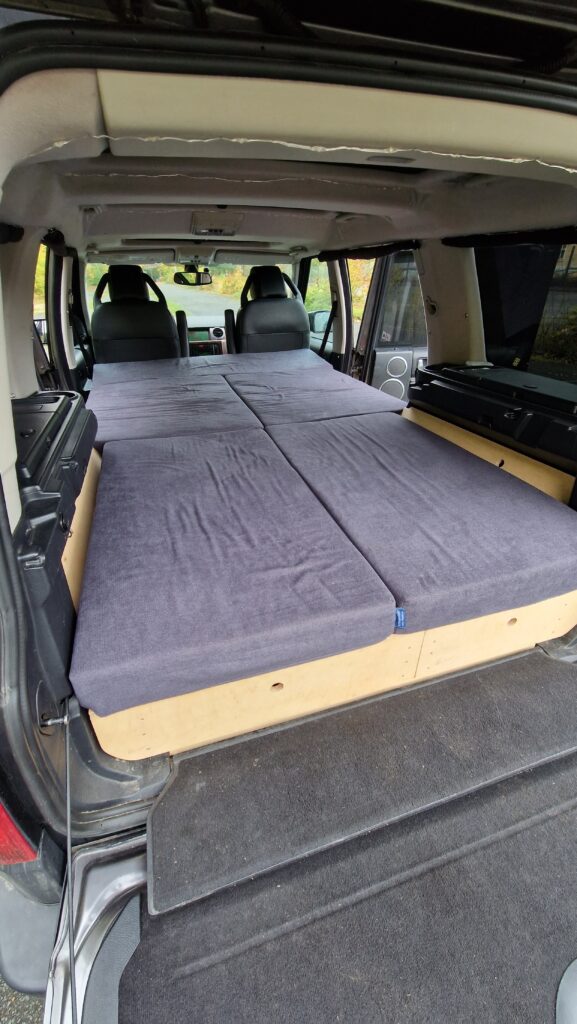
The only tricky part really was my height. I’m two metres tall. If I want a good night’s sleep, there’s no way around using the whole living area for it. On top of that I later added a simple bed extension. For it, both front seats have to be moved fully forward. The bed extension can then be folded out. The legs go into the exposed seat rail and the cushion is pushed into the free gap. And the bed extension is ready. So the bed is 225 cm long, 145 cm wide for a good metre, and 118 cm wide over 125 cm. The way I built my interior is, I think, one of a kind.
How long did the build of your Discovery 3 take?
If we take just the wooden interior, the build time was 3.5 days, two of us at 8 hours a day. The whole vehicle I built out and perfected in stages over a year. If I’d been able to work on it nonstop every day, it would surely have been doable in a good 3 months, but who does that? :D
Roughly how much did the build cost?
The wooden interior alone cost a good 900€. On top of that come the purchase, maintenance costs, other big and small buys for the build, labour costs, the cost of the motorhome registration and so on. All in all, with the car, repairs and everything, I’ve now reached a good 30,000 euro.
If you want the exact figures, you can watch my video about it:
You are currently seeing placeholder content from YouTube. To access the actual content, click the button below. Please note that data will be shared with third-party providers in doing so.
What’s still on the to-do list?
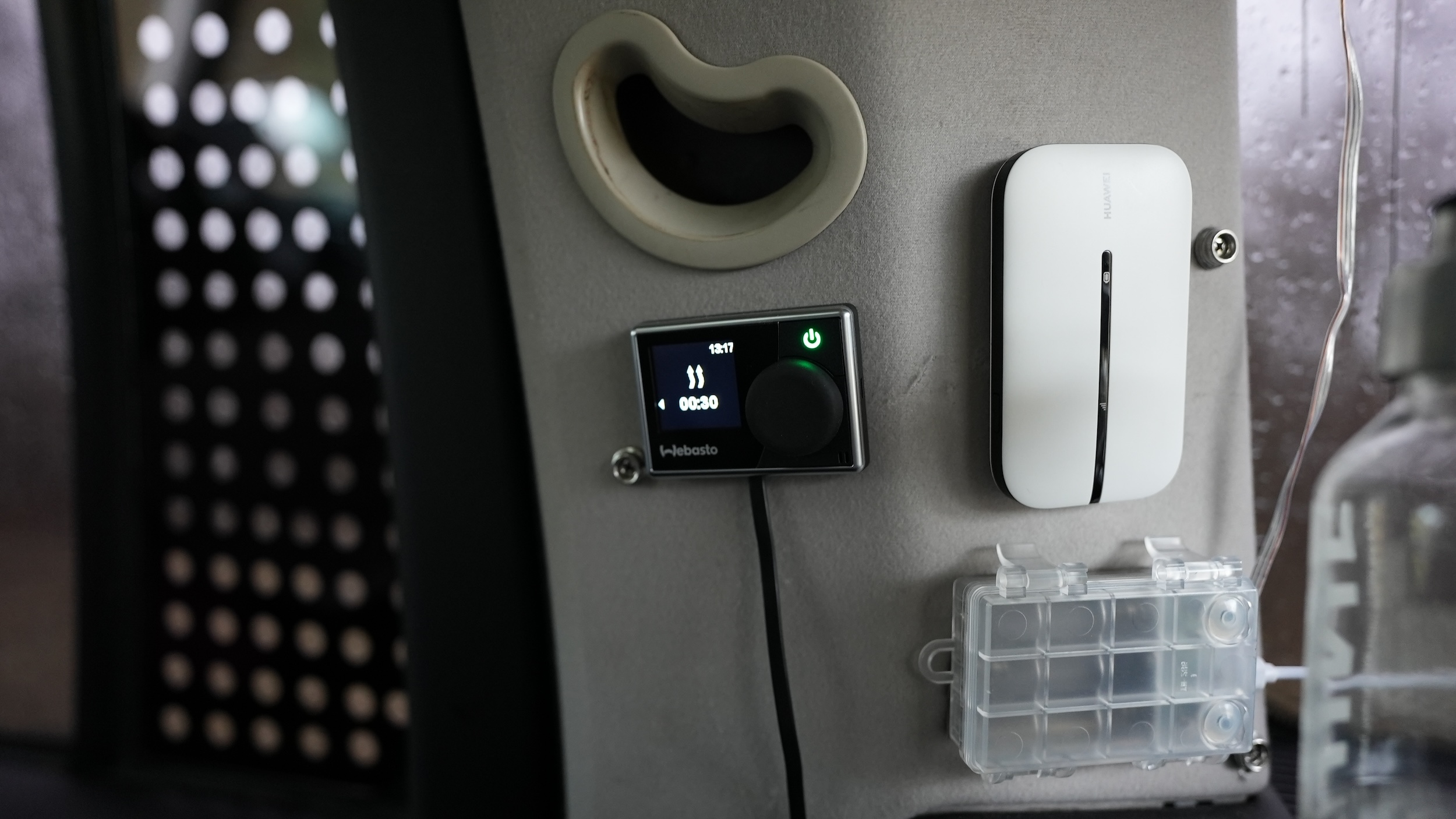
An air night heater is top of the list. On my 4.5-month trip through Scandinavia I realised you can’t do without one. Damp is a huge issue, even before temperature. But it isn’t to be installed inside the vehicle, which also means a hole has to be drilled in the roof. I’m really curious about the end result!
On the power side, an additional lithium battery still needs adding. Since I work a lot on the laptop because of YouTube, I always run out of power quickly!
What are your next travel destinations?
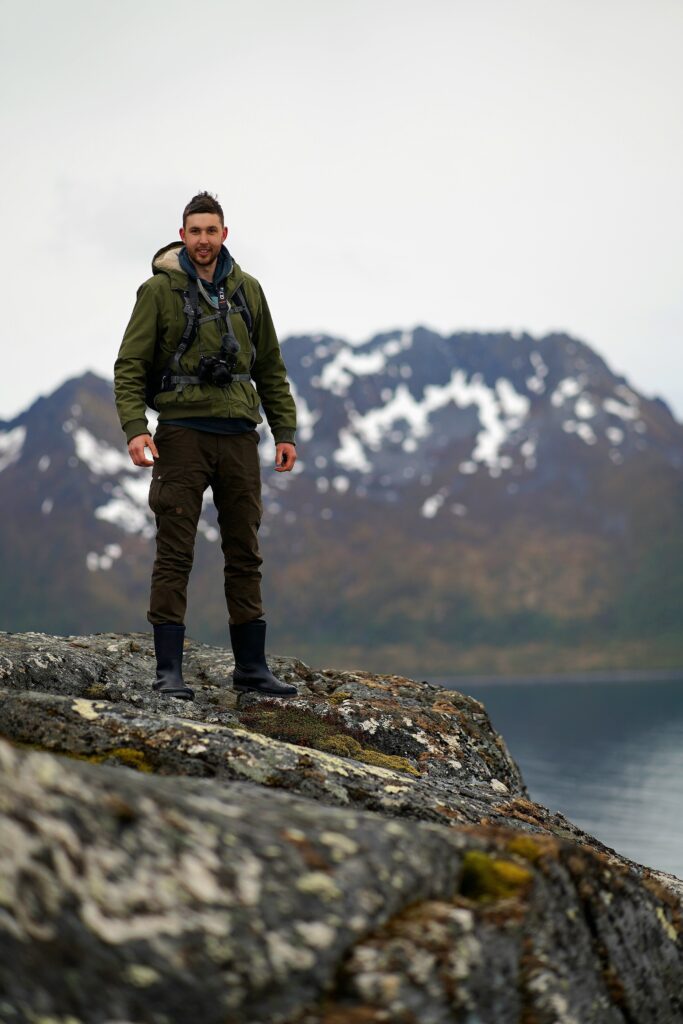
In summer the Western Alps or Spain in general, the mountains above all; Finland in autumn for the northern lights; a Scandinavia tour in winter; Iceland is on the list too, of course. So I’m well stocked with ideas for the next few years.

Discovery 3 data:
- Land Rover Discovery 3 from 2006 in grey.
- TDV6 2.7L 190 hp 450 Nm
- 18-inch alloy wheels with BF Goodrich 265/65R18
- The vehicle has factory underbody protection, which can be reinforced significantly, though.
- The Disco 3 also has rollover protection from the factory.
- The vehicle has air suspension, which can be raised and lowered at any time up to 40 km/h.
- The vehicle also offers, as standard, low range, a centre diff lock, permanent four-wheel drive and a Terrain Response system.
- Low range and locks are electric, though, like just about everything on and in the vehicle :D
- Inside, the driver gets a watered-down version of Range Rover luxury, but still enough to wear your fingers out on all sorts of buttons. In HSE trim you go without nothing: depending on the year, heated seats, heated steering wheel, rain sensor, bi-xenon, turning and cornering lights, a high-end Logic 7 sound system, sat nav, full leather, extended climate control, a rear differential and much, much more.
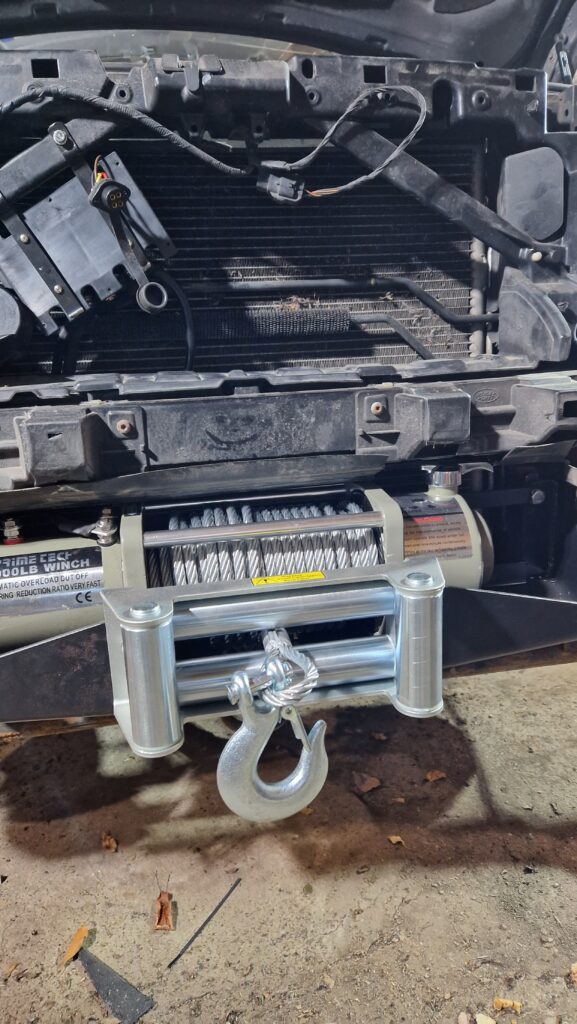
- On top of that I’ve fitted wheel spacers, a winch, headlight guards, bonnet guards, a self-built roof rack, a dual-battery system, a radio, an auxiliary night heater, a 270° awning, wind deflectors, window guards, insect screens, curtains, thermal mats, a lighting system, an outdoor shower, an extra tank, charging stations and a permanently installed solar system.
You’ll find detailed videos about it on my YouTube channel.
Where can people find you online?
@offroadadventure on YouTube
@offroadventure_ on Instagram
I can warmly recommend the film about my “From Germany to the North Cape in 48 hours” tour, and all the other travel videos through northern Norway (often off-road too). I’ve sorted them into playlists.
About Elias:
I work part-time at Aral on the night shift on a 7-day cycle. That means I work 7 days straight and then have 7 days off again. The petrol station is open 365 days a year. Thanks to this great rhythm, I have lots of time for the car, YouTube, friends and family, and can also head off for a few days on a whim.
Wrenching on the car and making videos about it is definitely right at the top of that list. What I’d like most, though, is to be on the road permanently and produce travel videos from the road. But money puts a spanner in the works there. Last year it was at least enough for a 4.5-month trip, and I got to feel what it’s like to be away for longer than 3 weeks. That simply showed me that this is exactly what I should keep aiming for.
The best thing about travelling is simply the spontaneity of the experiences and events, especially when you’re on your own. By now I have quite a few friends scattered all over Scandinavia, whom I met by chance. In my videos I show exactly my day-to-day and tell what I’ve experienced. You’re welcome to watch one or two stories about these encounters there.