
In many countries and regions of Europe there are now low emission zones and driving bans, especially for older vehicles. That of course affects us off-road travellers too. On the drive to the destination for the off-road tour, for example, or when visiting a city. We don’t want to debate the point of such rules here, but rather show you, by way of example, the rules in popular travel countries and how you can take them into account when planning your route. Here comes our overview of low emission zones and driving bans in Europe.
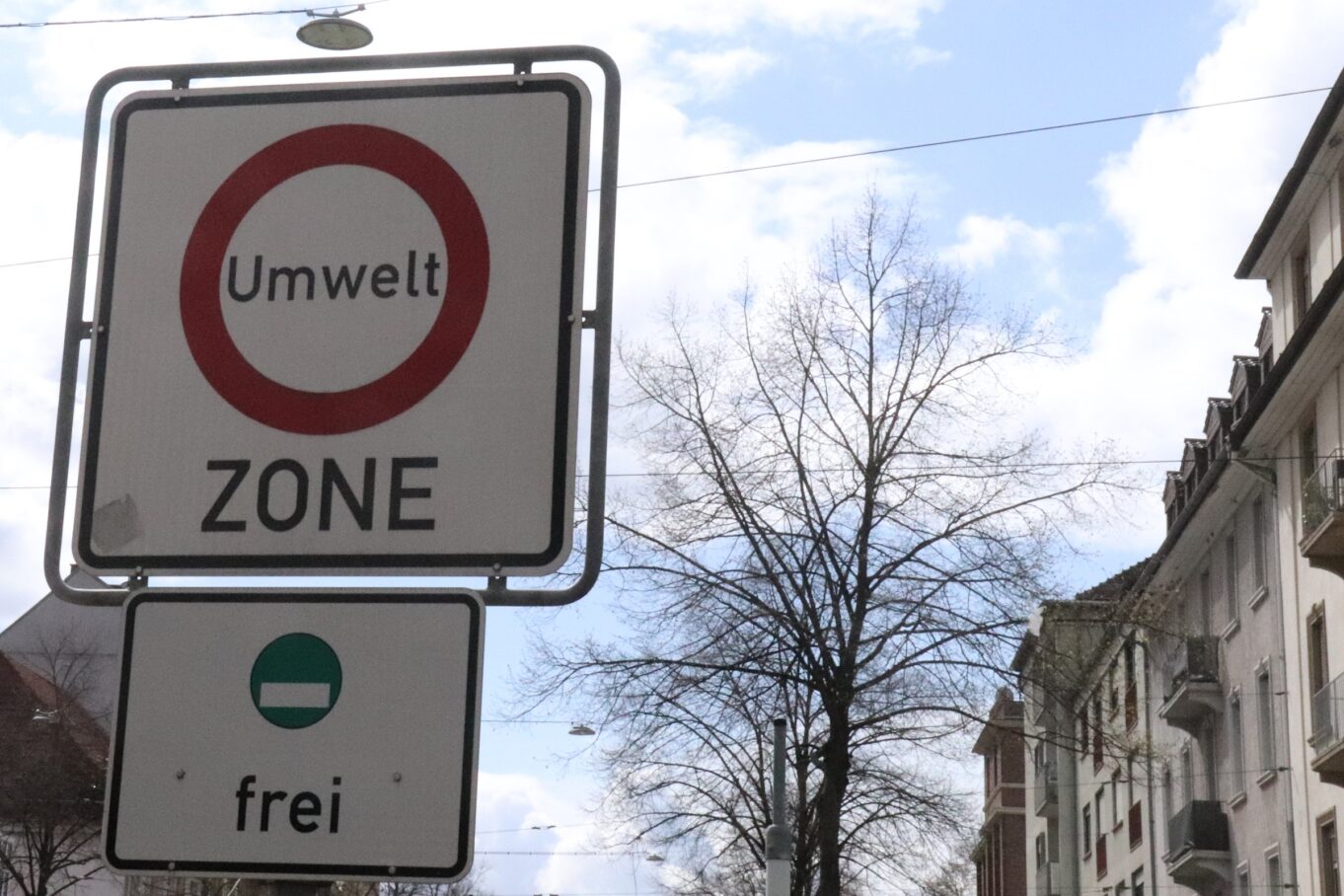
Most of the time, low emission zones and driving bans are about older vehicles and diesels. Which is exactly what off-roaders and off-road travellers are often out and about in. In Germany we have the concept of low emission zones in urban areas. To reduce particulate pollution, numerous zones have been set up here in recent years. Only vehicles that meet certain emissions standards are allowed to drive in them. By now there are around 50 low emission zones. With one exception, the Neu-Ulm zone, these can now only be entered with a green sticker (in the Neu-Ulm zone the yellow sticker is still enough, as of April 2023). You’ll find a precise overview at the Federal Environment Agency.
The particulate sticker needed to drive in comes in three colours, red, yellow and green. As mentioned, it is issued according to the emissions standard of your vehicle. The sticker is valid indefinitely; it only has to be renewed when the vehicle is re-registered to a new number plate or when the number plate noted on the sticker is no longer legible (which happens quite often). You can get the stickers from testing organisations or vehicle registration offices, for example.
And what does it look like in popular off-road travel countries? Let’s start the overview of low emission zones and driving bans in Europe with our neighbour France.
The Crit’Air sticker in France
France is a popular off-road travel country. The Alps, the Pyrenees, Corsica, to name just a few destinations. And France has several low emission zones and access rules you should take into account when planning your route.
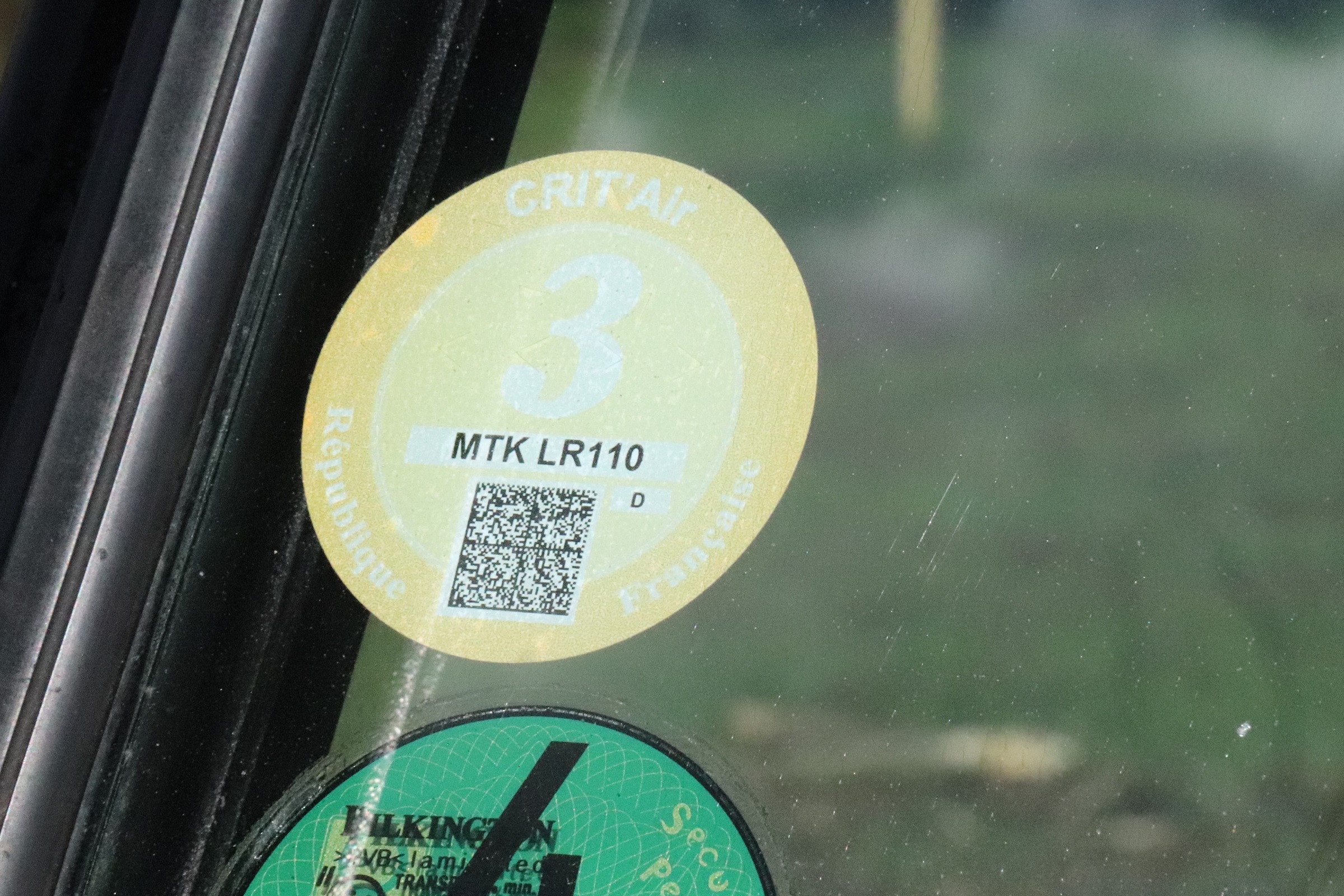
The concept is similar to Germany’s. Low emission zones are set up in numerous towns and conurbations. Only vehicles that meet certain emissions values are allowed in. Coloured stickers are needed here too, the so-called Crit’Air sticker. With the difference that in France there aren’t three categories or colours, but six! Which sticker you get for your vehicle depends on the emissions class or type of drive and the year of manufacture. You get the sticker directly from the French environment ministry’s site. There you’ll also find a simulator where you can try out which sticker you would get for your vehicle. The Crit’Air sticker costs €4.61 including postage for vehicles not registered in France (as of April 2023). Careful, there are also some middlemen about who charge considerably more, so watch out when buying the sticker!
Which vehicle may drive in which zone and when is regulated by the local authorities. On top of that there are zones with temporary bans when air pollution is high. So it is a bit more complicated than in Germany and you have to check individually for your route. You’ll find an overview map of France’s low emission zones on the site of the traffic information service. A blanket exemption for classic vehicles, as we know it from Germany, does not exist in France, by the way.
Urban low emission zones in Spain
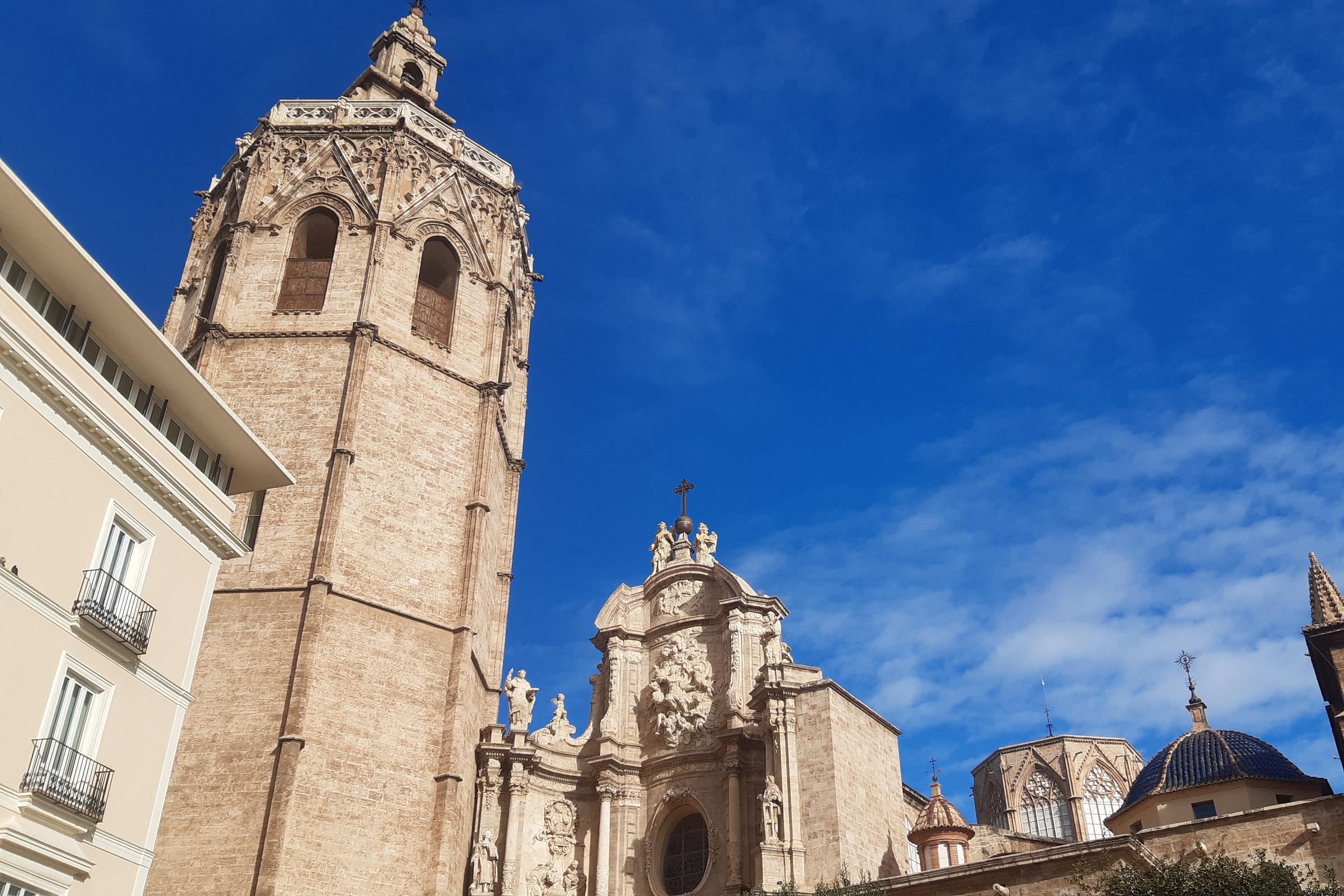
Spain has a few low emission zones. Driving into the zone of the capital Madrid is banned for certain vehicles at certain times. The cities of Valencia and Seville, as well as Barcelona and its surroundings, have further zones or inner-city driving bans. There are also temporary bans depending on the level of air pollution, similar to France.
Anyone with a clear run needs an emissions sticker here too. This sticker, called the Distintivo Ambiental, can be bought locally at post offices and garages. The sticker comes in four different categories, depending on your vehicle’s emissions class, and, you’ve guessed it, four different colours. In some cases an (additional) registration is also required for vehicles not registered in Spain. All in all, the subject of low emission zones in Spain is quite confusing. Some information is available on the site of the traffic authority.
If you want to see one of the great cities in your older off-roader, it’s best to find an overnight spot outside and travel into the city by public transport or taxi. Valencia, for example, has a campsite outside the city that even has a metro connection. Very handy. Apps like iOverlander are a help in finding such places.
Netherlands
Our Dutch neighbours know the low emission zone as well. You’ll find them there in several cities. They can be recognised by the signage. The zones in the cities may only be entered by diesel cars and motorhomes meeting at least Euro 4. Further zones are currently only relevant for trucks over 3.5 t gross weight. The rules are set to be tightened, though. There is no sticker in the Netherlands. The driving bans are monitored by number-plate recognition.
Low Emission Zones in Belgium
The so-called Low Emission Zones in Belgium are in Antwerp, Brussels and Ghent. Only vehicles that meet a certain emissions class are eligible to drive in. For Brussels the driving ban currently applies to vehicles with emissions classes Euro 0 and Euro 1, and for diesel vehicles additionally with the standards Euro 2 and 3. For the other two cities up to and including Euro 4! In some cases driving in is still possible for a fee. Registration in advance is required. Monitoring is also done by traffic cameras. Which vehicle classes are affected in detail, further information and the registration can be found on the websites of the respective city: Antwerp, Brussels and Ghent.
Zona Traffico Limitato and city tolls in Italy
The next tour is meant to take you to the Italian Alps, with a few detours along the way? Then watch out. Because in numerous Italian cities you’ll come across a Zona Traffico Limitato, ZTL for short. This is an absolute no-driving zone for motor vehicles in the city centres. You can recognise it by the signage. Driving in is only permitted with a special permit; delivery services are one example of possible exemptions.
On top of that come the low emission zones in Bologna, Milan and Palermo. Here there is a city-toll arrangement under which some vehicles are excluded depending on their emissions class, and you may have to buy a ticket before entering. The rules also depend partly on the date and time of day.
In northern Italy there are also driving bans of various kinds, for example in South Tyrol, Piedmont and Lombardy. When there is a smog alert, further bans can be imposed.
You can see the rules are very complicated and varied, so we can’t list them all here. It’s best to find out locally and be sure to watch the signage. In the cities it’s best to park outside and explore on foot using public transport.
Portugal and the low emission zones in Lisbon
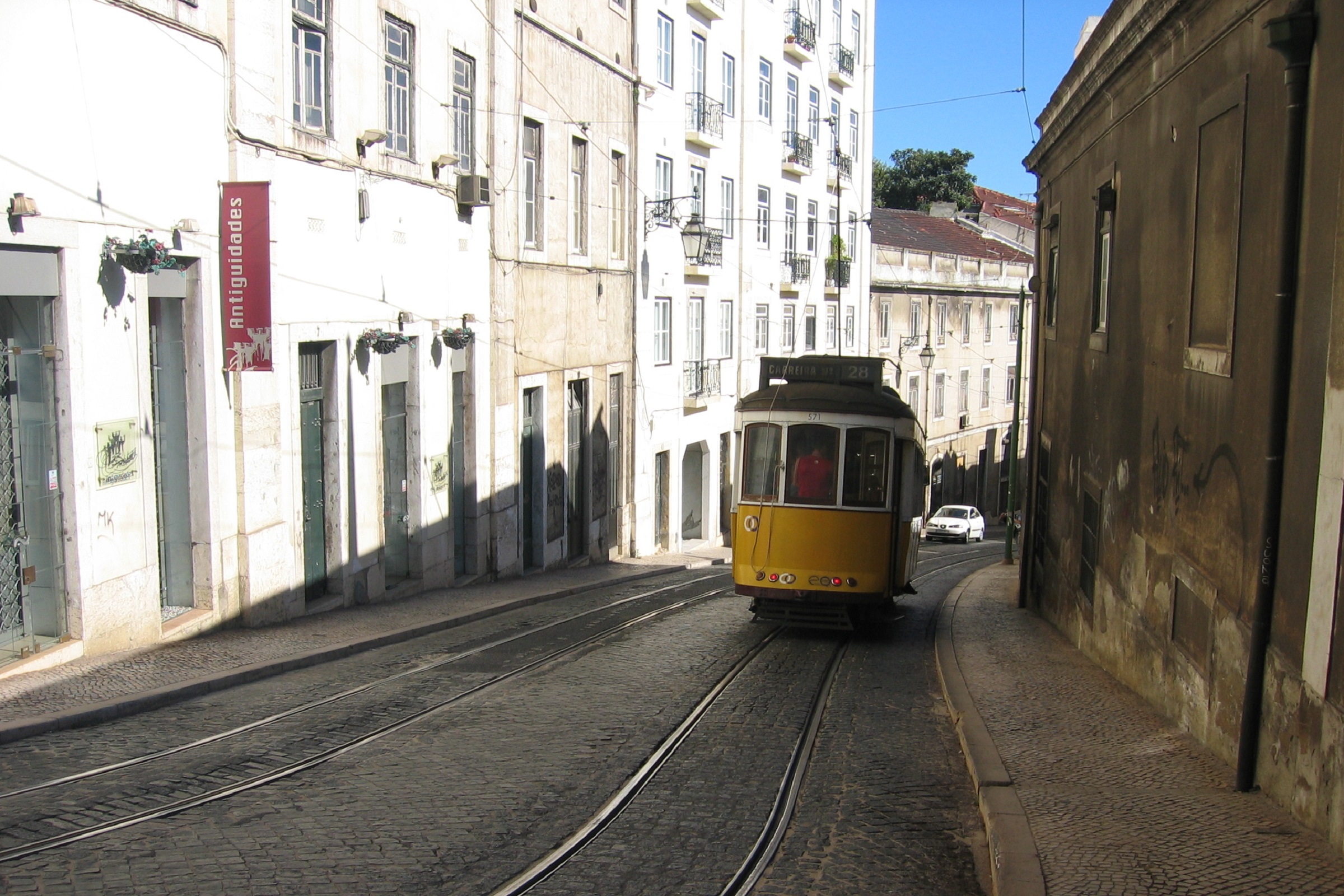
You’d like to see the city of Lisbon on your Portugal trip? Then you should know that two low emission zones in the form of driving bans have been set up here. The driving bans apply from Monday to Saturday, from 7am to 9pm each day, and cover cars, motorhomes (M1), buses (M2, M3), vans (N1) and trucks (N2, N3). In the narrower, stricter zone a driving ban applies to diesel and petrol vehicles of Euro standards 0 and 1, and in the outer zone to Euro standards 0, 1 and 2.
Low emission zones and city tolls in Sweden
Sweden has a city-toll concept. The tolls are simply paid afterwards (video monitoring and invoicing). In Stockholm there is also a low emission zone that may only be entered by Euro 6 vehicles. In many other cities zones are set up, but these only affect buses and trucks with a gross weight of more than 3.5 tonnes.
The Miljøzoner in Denmark
In Denmark some cities have a low emission zone, including Copenhagen for example. If your vehicle meets the requirements to drive in these areas, registration in advance is required. Monitoring is done by cameras. You’ll find a good overview of the rules on the Miljøzoner website of the local authorities concerned.
City-toll concept in Norway
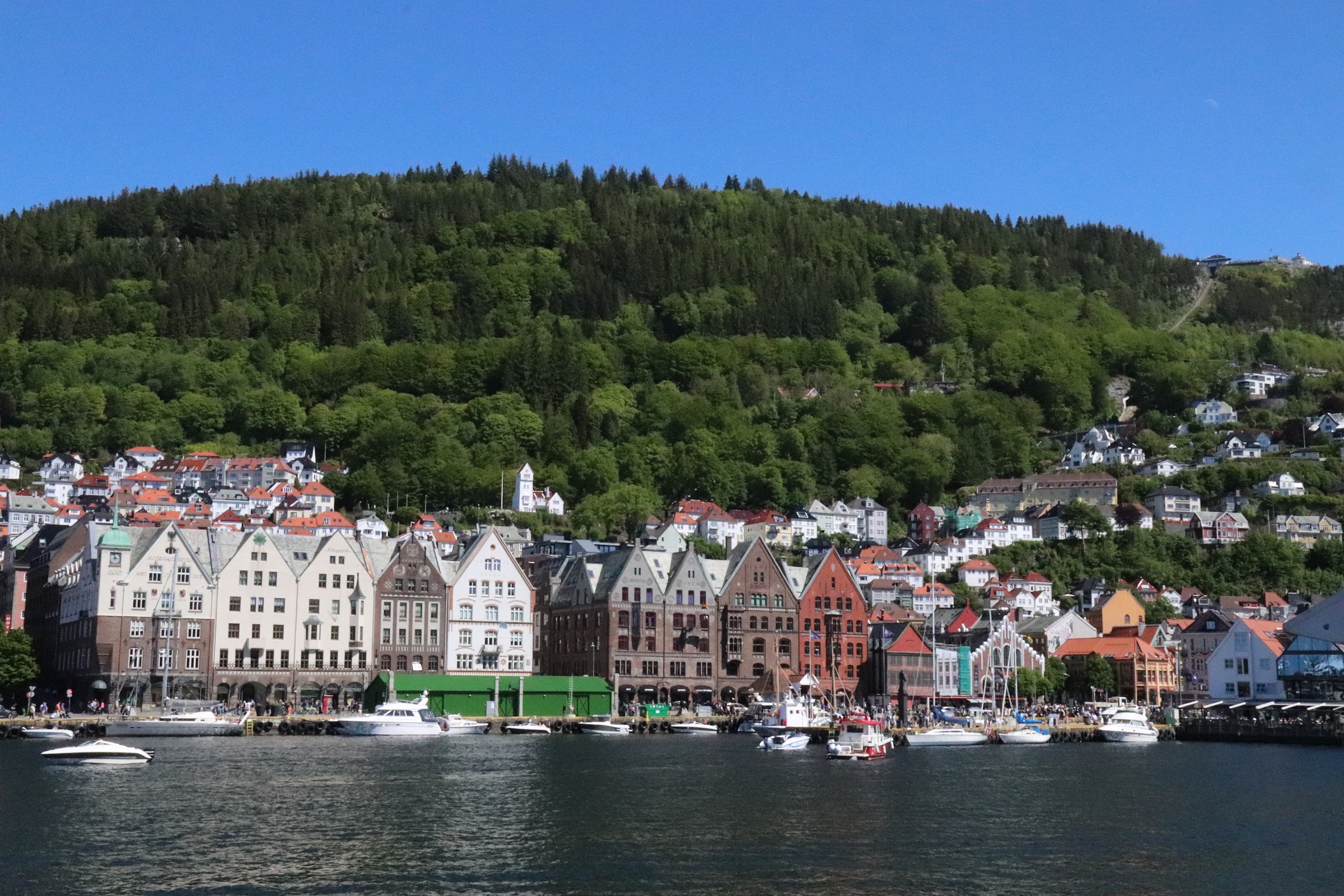
Norway also follows a city-toll concept for various cities. The amount of toll to be paid depends on the time of day and the type of drive (e.g. diesel, petrol, electric). More on the toll system in our article on it. On top of that come temporary driving bans during smog alerts in the cities of Oslo and Bergen. In Oslo you then can’t drive into the city with diesel vehicles any more; in Bergen there is a day-by-day rule for driving with even and odd number plates.
The UK with low emission zones in London and other cities
London has a more or less complex system of a city toll with various zones and driving bans. In some cases a city toll has to be paid. There is also a registration requirement.
You’ll find details here:
Beyond that there are Clean Air Zones, for example in places popular with tourists like Bath or Bristol. Here registration may be required and a fee payable.
There are also further zones with a city toll, for example in Durham.
Phew, pretty complicated, isn’t it?
You can see there is no such thing as THE low emission zone. The rules for low emission zones and driving bans in Europe range from zones requiring a sticker, through required advance registrations and city-toll arrangements, to driving bans with different signage and monitoring. On top of that there are constant changes and additions, so that sometimes not even local residents know exactly how the zone in their country is currently set up.
This is an example overview of selected low emission zones and driving bans in Europe. The important thing is that you bring yourself up to date as far as possible before departure, inform yourself as best you can on the road and be sure to watch the signage. There are, by the way, projects that aim to have the stickers of individual countries recognised by one another. That could be a simplification in the future. When buying the stickers you need, especially online, make sure to get them through the respective official site so you don’t, for example, pay too much money.
You should take the low emission zones and driving bans in Europe into account when planning your route too. Plan in detours and a bit more time if needed. Away from the cities and far from the motorways, our off-roaders feel more at home anyway. If you’d like to build a city visit into your route, it’s a good idea to find a good pitch outside the city and go sightseeing by public transport or taxi. As mentioned, useful apps or tips from other travellers help in finding such pitches.
You’ll find more on toll systems and vignettes in our overview of tolls in Europe, and plenty more travel tips on our topic page on trip preparation.
© Photos: Björn Eldracher