

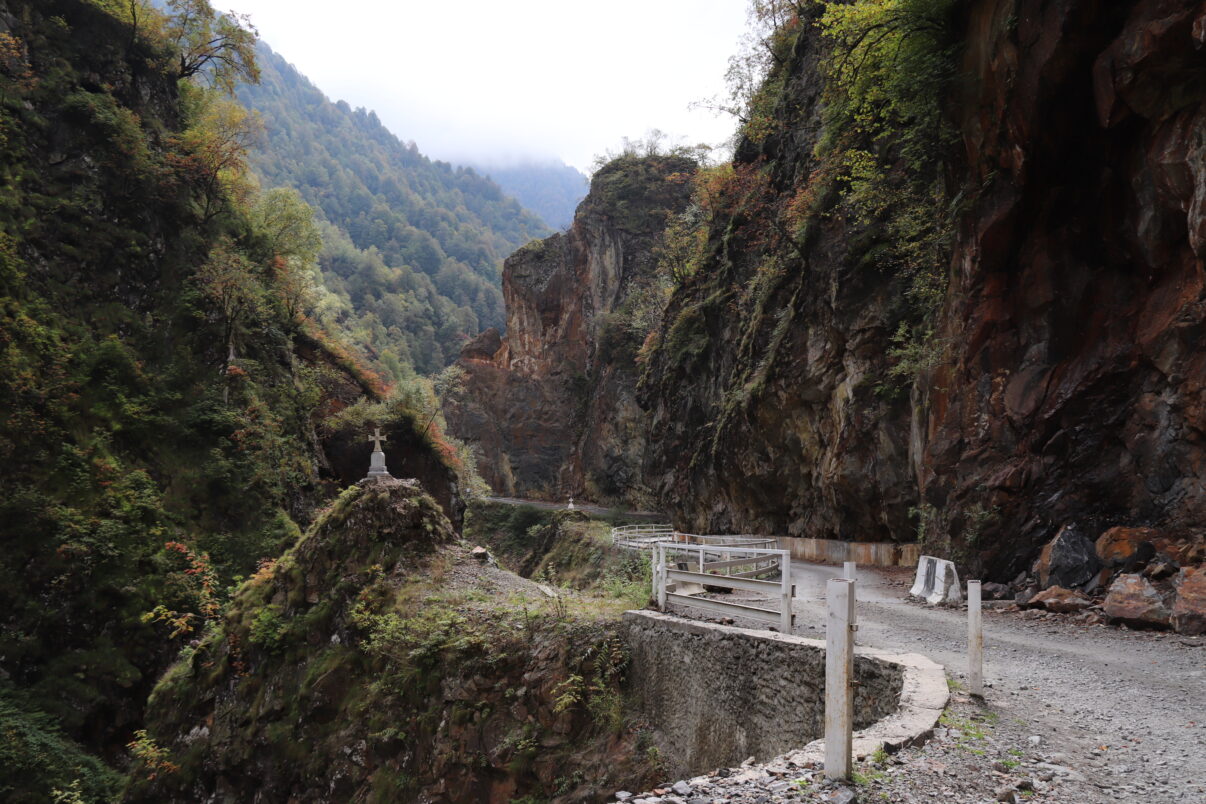

In the off-road travel country of Georgia, 4×4 travellers can take on plenty of beautiful and partly challenging tracks.
Georgia is known for its spectacular nature, fantastic mountain landscapes, lakes, a lot of culture, welcoming people, very tasty food and an eventful history. Sounds like a great destination to you? It is! And winter is planning time for many of you, for the next off-road tour or trip. So we’ve given it some thought and put together an overview of the off-road travel country of Georgia.
Georgia links Europe and West Asia
On its roughly sixty thousand square kilometres live just 3.7 million people, about a third of them in the bigger cities. The mountainous country borders the Black Sea in the west, Russia in the north (the Greater Caucasus), Turkey and Armenia in the south, and Azerbaijan in the east. The climate is just as varied and ranges from subtropical in the west to a dry continental climate in the east. This position makes the country very interesting for us travellers, because it has a huge variety of landscapes in its repertoire, from high mountains and lowlands to desert-like areas and the coast, plus a varied flora and fauna.
The history and culture of this little country in the Caucasus are just as varied and eventful
The region gets an early mention in the history books, and West and East Georgia formed as far back as the 6th century BC. Times of conquest by Romans, Byzantines, Arabs and Persians followed. In the Middle Ages the country became independent again and rose to significant size in the Caucasus. But soon the hordes of Timur invaded, a name you’ve probably come across if you’ve travelled in Central Asia. Georgia gradually broke up into smaller principalities under various influences. At the start of the 20th century Georgia was independent again, under the protection of the German Empire, and managed to carry out numerous reforms in that time. But by 1921 that time was over, Georgia occupied by the Red Army and absorbed into the Soviet Union. The time of the Great Terror was marked by violence, persecution and torture.
If you’re more interested in Georgia’s history and this period too, you should plan a visit to the National Museum in Tbilisi. In the 1990s Georgia regained independence. Later came the secession wars in Abkhazia and South Ossetia. To this day Georgia has no control over these areas and faces many challenges. And still, or precisely because the country is so varied, it’s worth a trip!
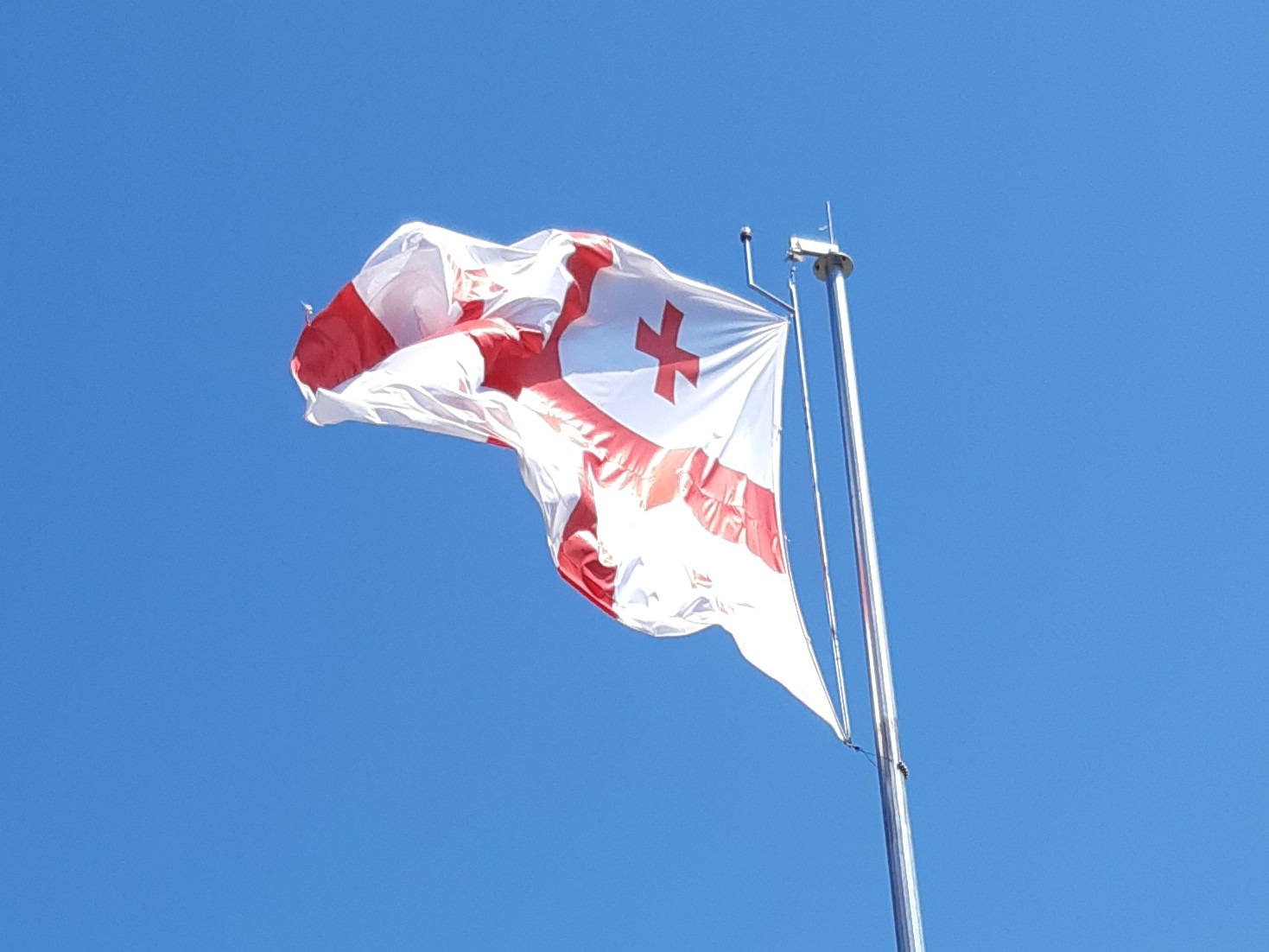
Worth seeing in off-road Georgia
There’s something for everyone, and this overview can only stand as an example for the great off-road travel country of Georgia. In what follows we take a look at various regions of the country.
Capital flair, history and modernity in Tbilisi
The famous Silk Road once ran through Tbilisi. Today the city isn’t just centrally placed for restocking supplies, the Georgian capital also invites you to linger with countless sights, and it feels as if there’s something new to discover round every corner. Tbilisi is a lively, buzzing city that you should definitely plan into a tour of the country.
In and around the capital, as in many other big cities, typical overlander meeting spots have sprung up in recent years. These are great places to swap travel information or help each other out with problems, and they’re handy for leaving the vehicle and exploring the city by public transport. The latter works really well in Tbilisi. The metro takes visitors into the city reliably and quickly. The stations, some still from Soviet times, are a sight in their own right.
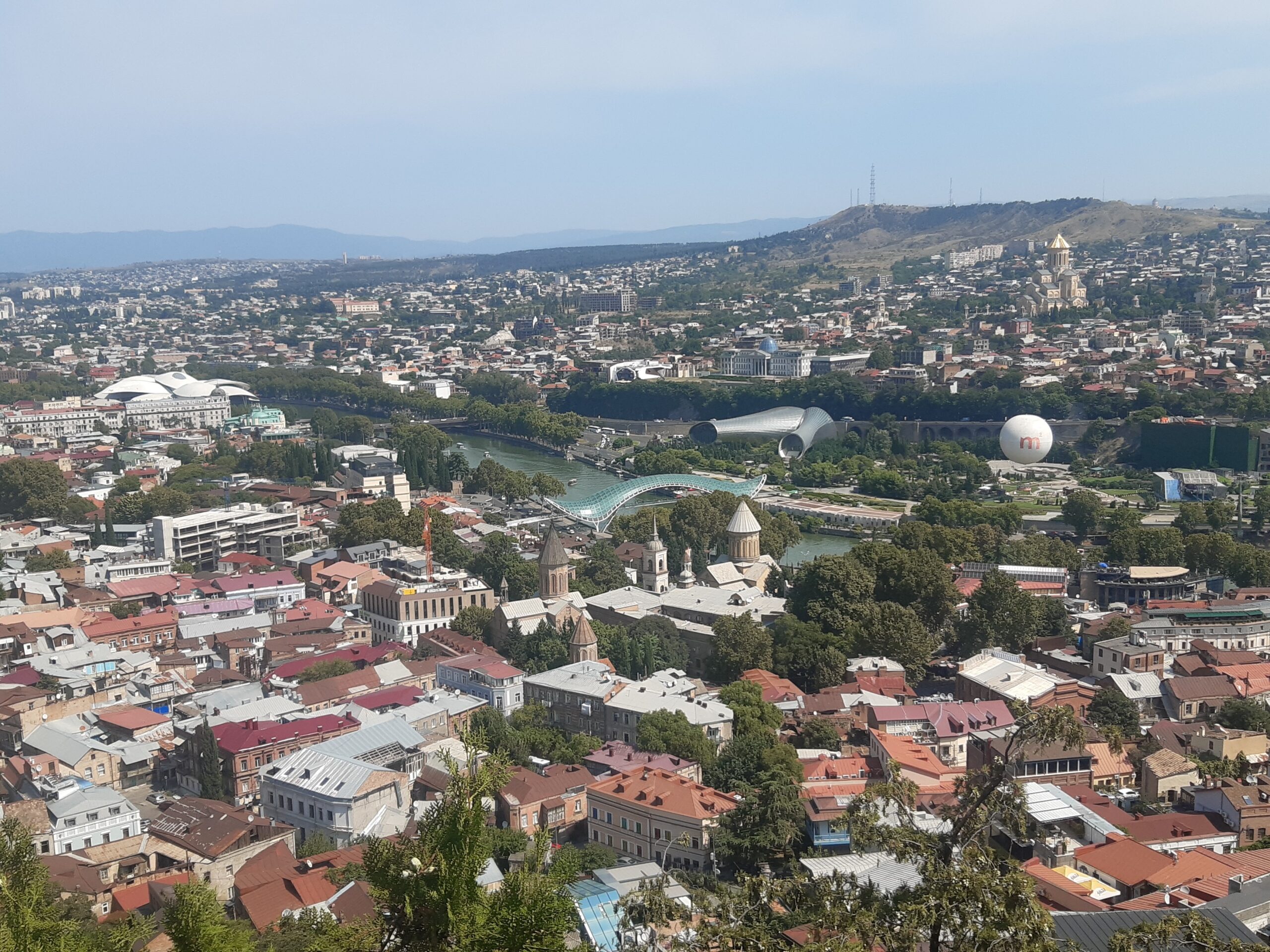
Freedom Square, which has carried various names through history, was again and again the scene of change in Georgia. From the Tbilisi massacre, when an uprising in the 1950s was bloodily put down, to the peaceful Rose Revolution in 2003. In this part of town you’ll also find numerous restaurants to enjoy Georgian cuisine, and not far from Freedom Square is the National Museum already mentioned. As the name says, it’s about the country’s history, and as that reaches far back, you should plan a few hours for the visit.
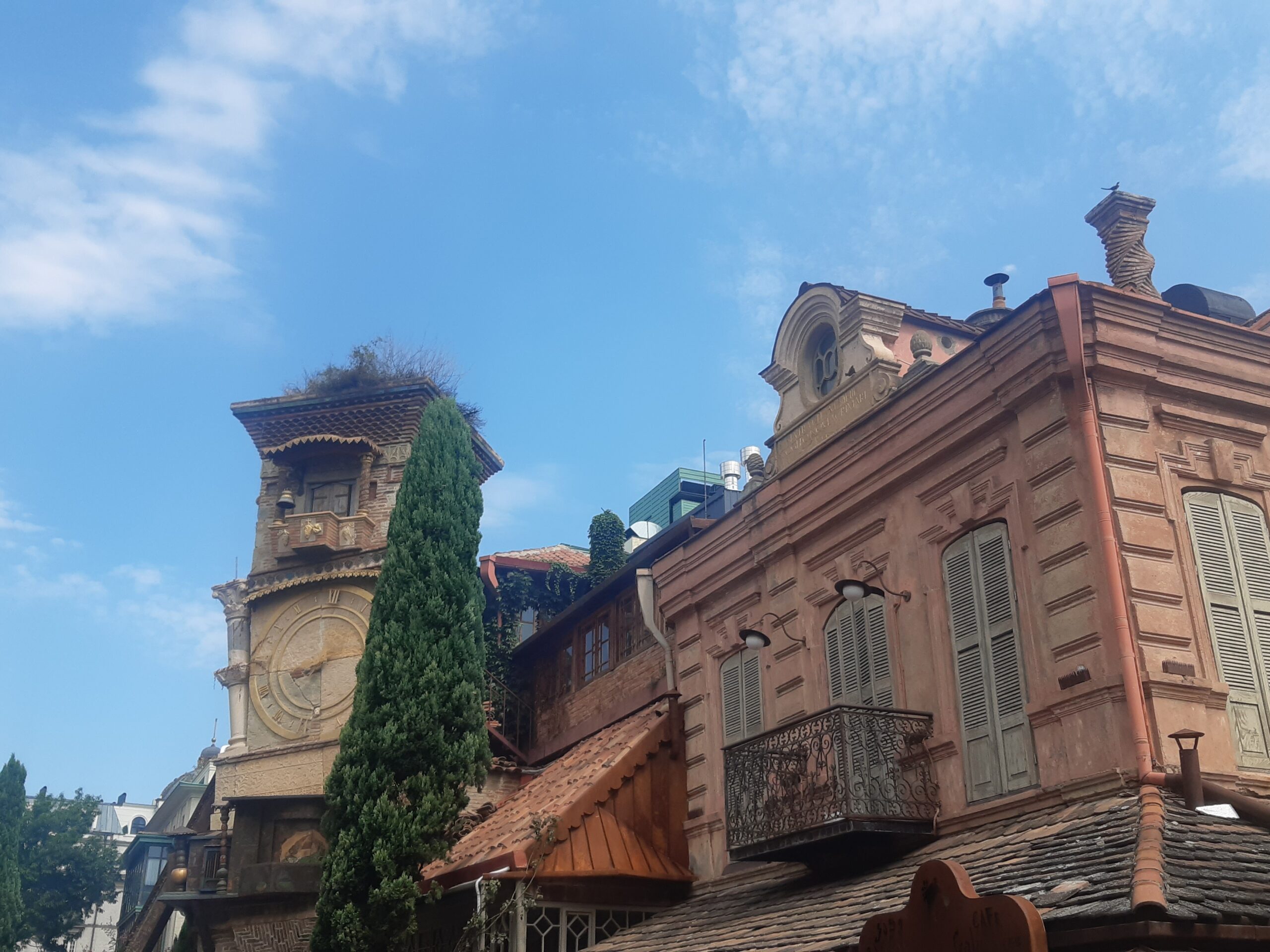
The Bridge of Peace is an arched pedestrian bridge over the Mtkvari. The 150-metre, covered bridge is an architectural masterpiece and links the old town with a park on the other side of the river. There you’ll find the lower station of the cable car, which takes you up to the Mother of Georgia statue and Narikala Fortress, and gives you a fine view over Tbilisi.
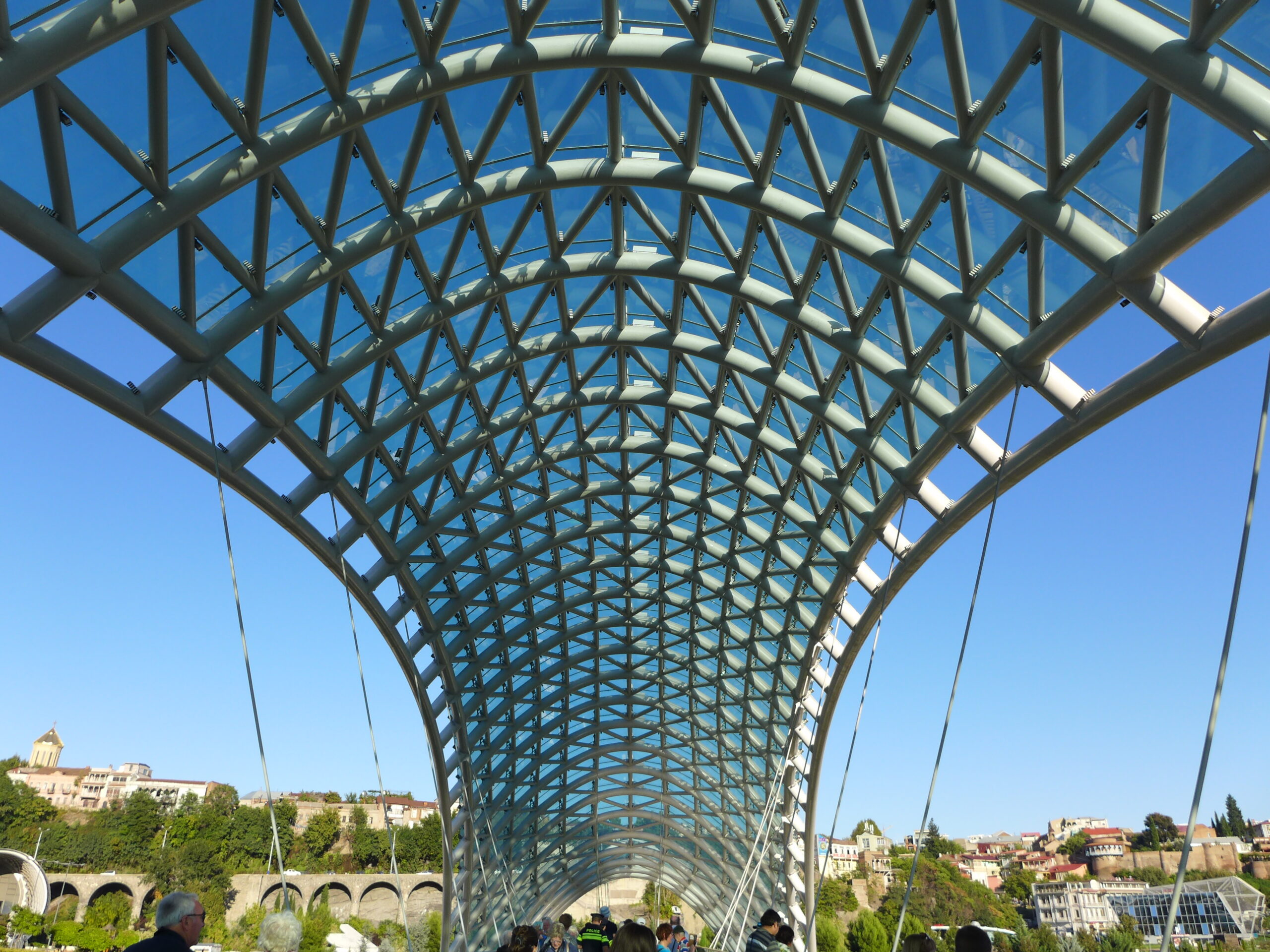
But now out into nature, off to Tusheti
Tusheti is still seen as one of the most unspoilt regions of Georgia. This high mountain region lies in the Greater Caucasus in the north-east of Georgia and borders Chechnya and Dagestan. The rugged mountain world is reachable from Georgia over the almost 3,000-metre Abano Pass. More on that spectacular route later. The best-known place in the region is probably Omalo, which makes a good base for 4×4 or hiking tours in this part of Georgia. Nature lovers get their money’s worth here and you can spend a few days in the beautiful mountain landscape. A highlight is of course the Tusheti National Park with various hiking and mountain-bike routes.
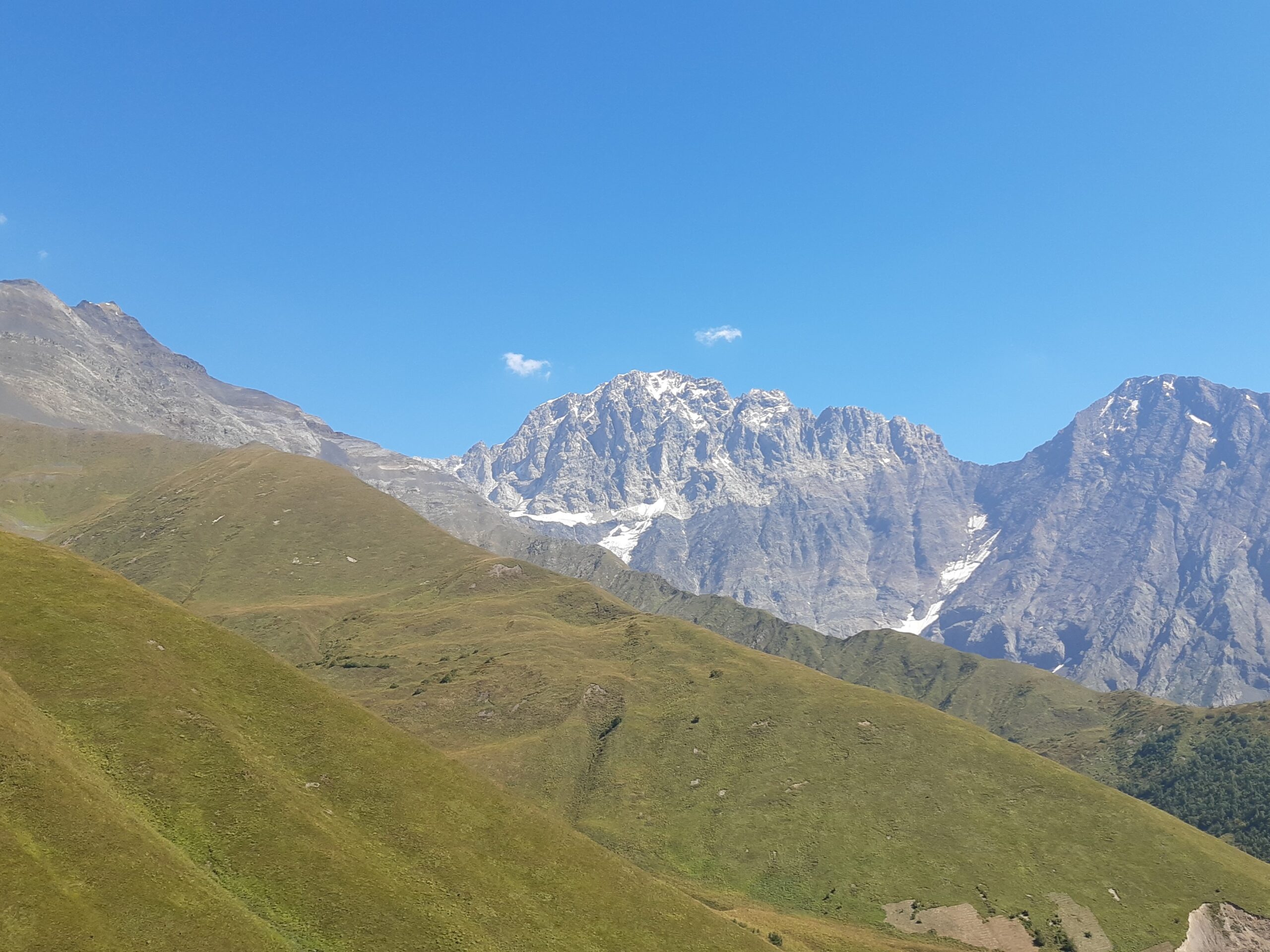
The east of the country is no less interesting and yet quite different
Kakheti in the east of Georgia is known above all for its ancient winemaking tradition. Quite a few winemakers here still make wine in the traditional Georgian way. The mash, that is the grapes including skins, pips and stalks, is filled into so-called qvevri. These are partly huge clay amphorae buried in the earth. In them the wine matures and ferments without being decanted in between. The process gives the wine its special taste, though, to be honest, it can take some getting used to.
In the east of the country, by the way, lie desert- and steppe-like areas that can get very hot in summer. The two best-known are David Gareja near the Azerbaijani border, not far from the capital Tbilisi. The famous monastery of the same name is here too. Another semi-desert is Vashlovani National Park, which is reminiscent of the Badlands in the USA. Here in the east of the country there are some off-road and unpaved tracks. We’ll come to whether they’re passable, and to preparing for a tour into this interesting area, later.
Exciting off-road Georgia in Svaneti
You’ve surely heard of the places Mestia or Ushguli in beautiful Svaneti. This mountainous region also lies in the Greater Caucasus. For it we head to the north-west of the country. You reach the region from Tbilisi via the town of Kutaisi, which makes a good stopover with its many churches, cathedrals and synagogues.
Kutaisi is also an ideal base for visiting one of the caves in the region. The Prometheus Cave lies about 25 kilometres north of Kutaisi. Visitors can tour the roughly 1.5-kilometre cave system with numerous halls, illuminated stalagmites and stalactites, whole dripstone walls and petrified waterfalls.
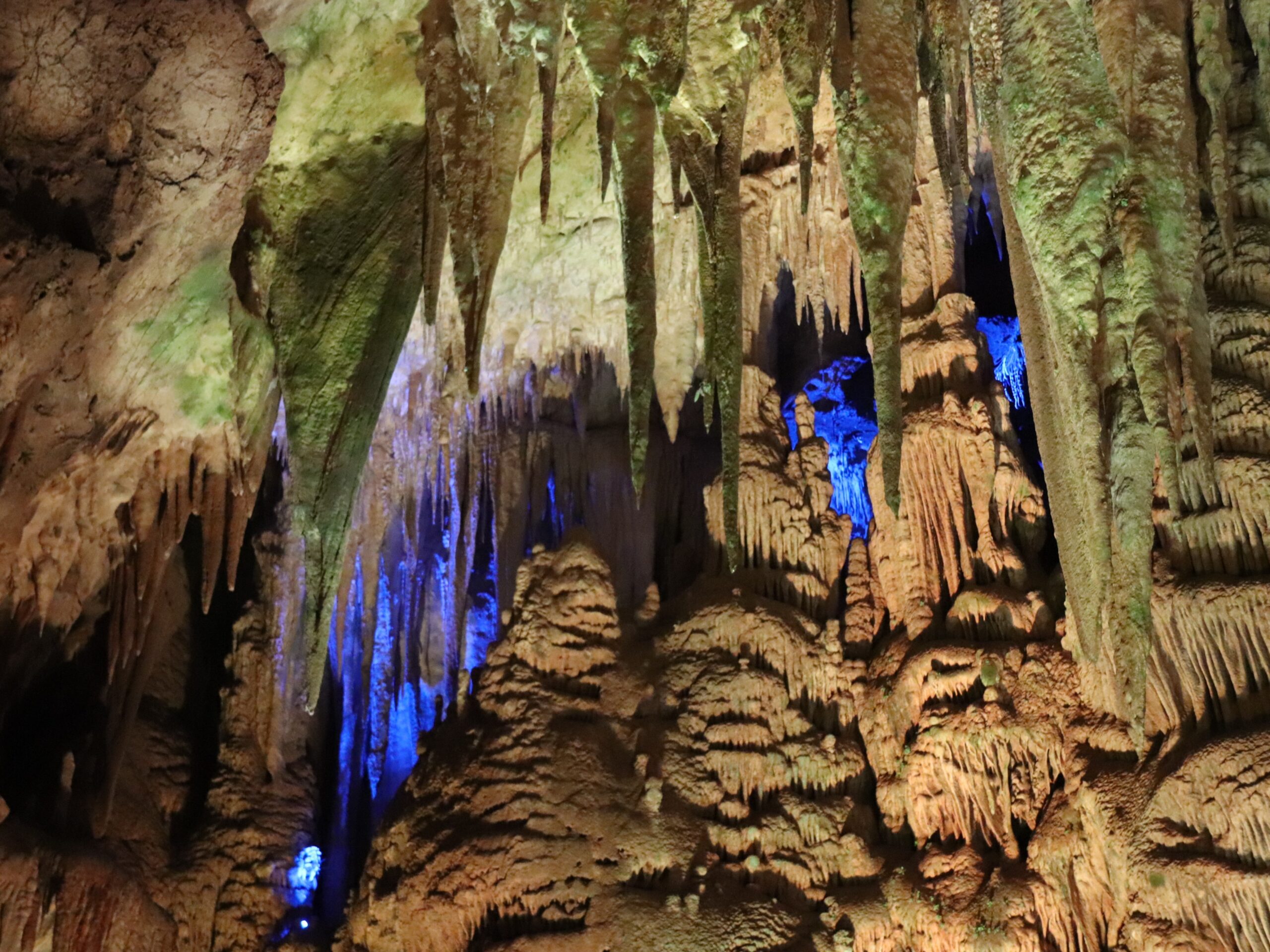
North of Kutaisi you get back onto great mountain tracks. In this corner of Georgia at the latest, you absolutely must not miss out on Georgian food. Svaneti is known for baked kubdari. These are meat-filled breads, a national dish in the Georgian region of Svaneti. The glintwein too, a take on the mulled wine (Glühwein) known in Germany, is worth a try.
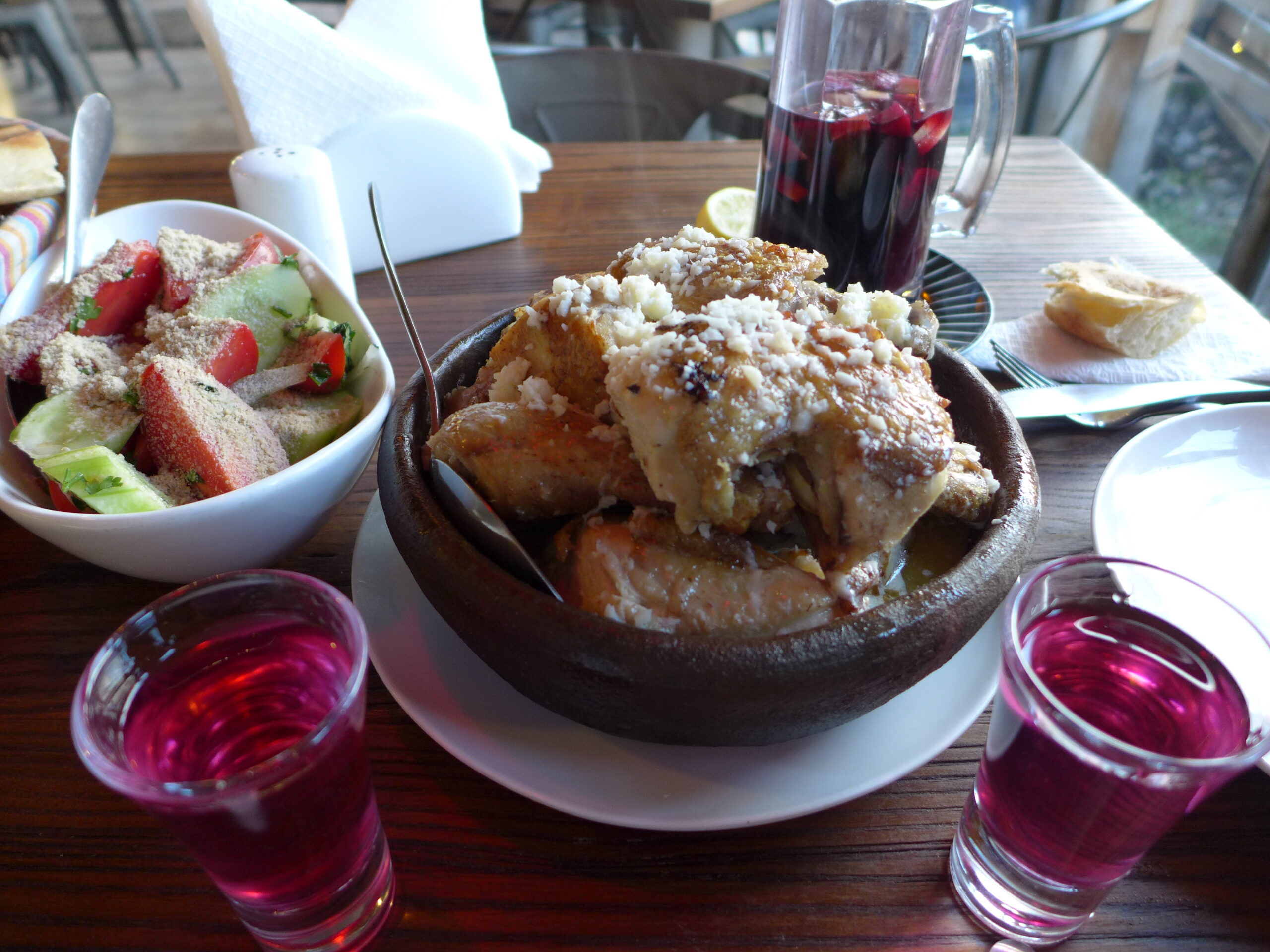
And we head south again
For one thing there’s the Black Sea coast, of course. The Georgian coast is known for its black beaches and Batumi, a city between tradition and modernity. Heading further south, we reach the Lesser Caucasus. The mountain range lies between the Black Sea and the Caspian Sea. The peaks of the Lesser Caucasus aren’t quite as high as those of the Greater Caucasus, but the area is no less interesting. The spa town of Borjomi with its mineral springs, the Borjomi-Kharagauli National Park with numerous hiking routes, or one of the monasteries are interesting destinations in this area. Anyone travelling by off-roader will find some unpaved side tracks here.
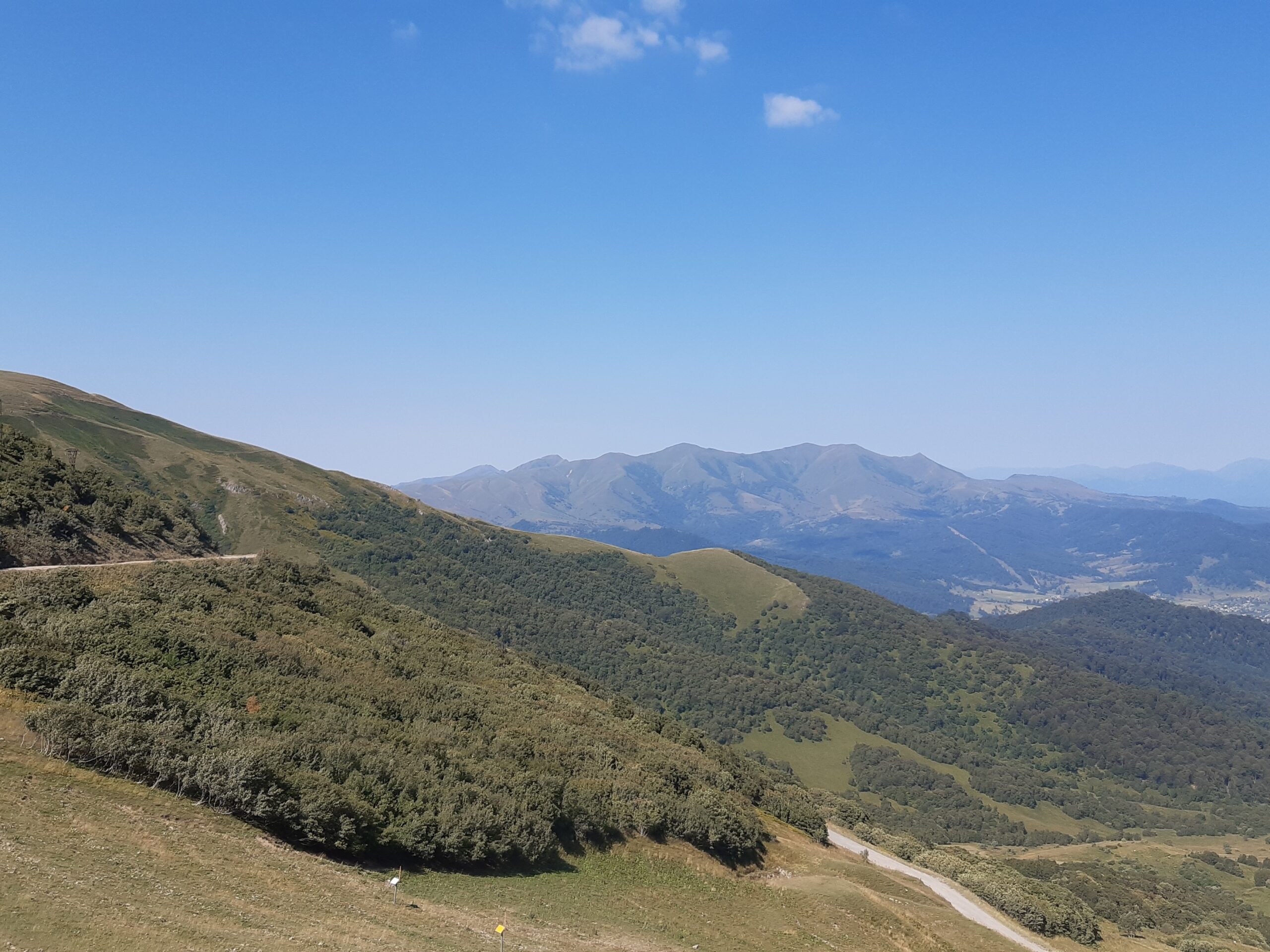
Beautiful and challenging tracks can’t be missing on a tour of off-road Georgia
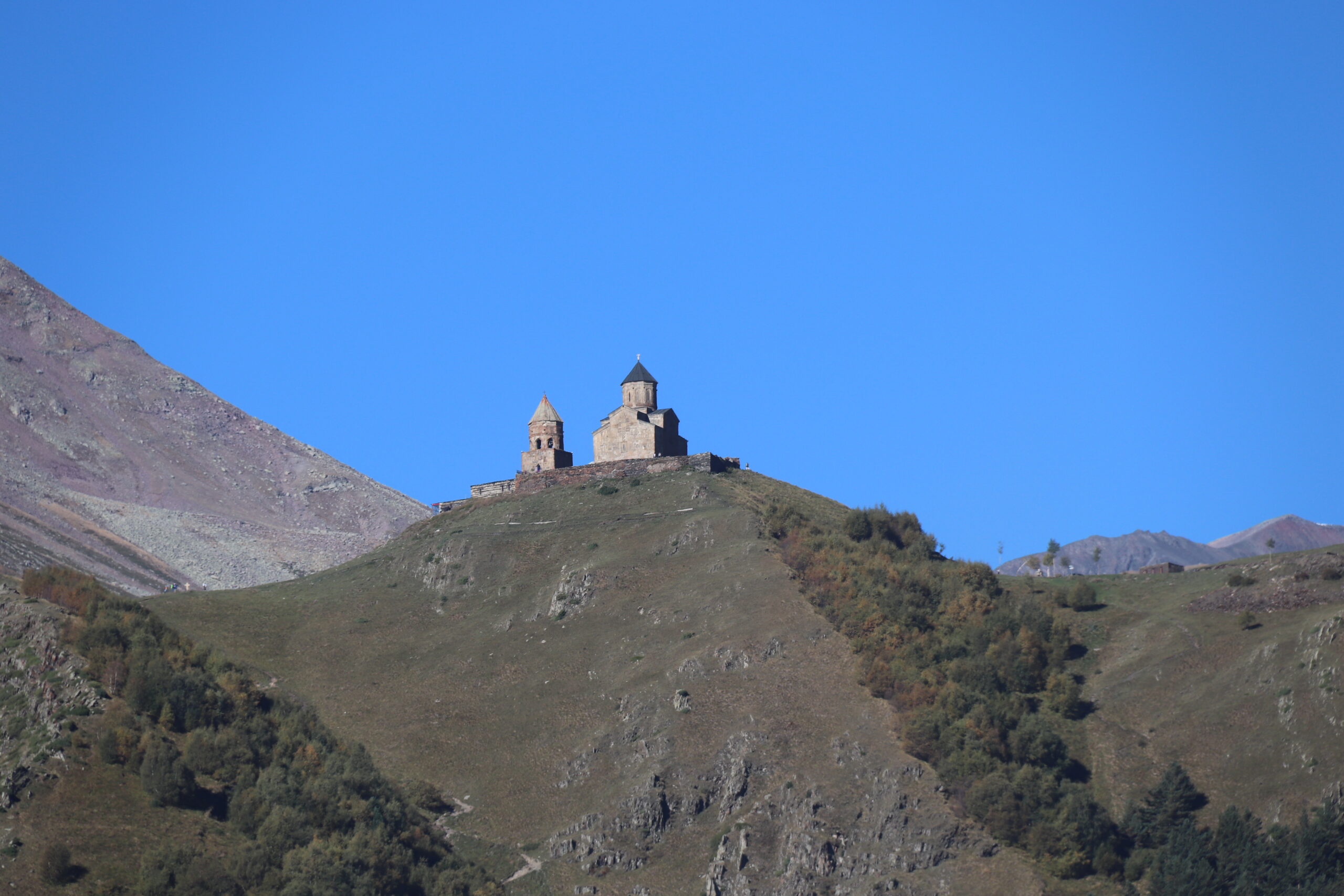
If you enter Georgia via Russia, you come into the Caucasus country directly from the north over the old Georgian Military Road. The route runs past Kazbegi with its famous monastery and over the Jvari Pass. This route is paved, but well worth a visit.
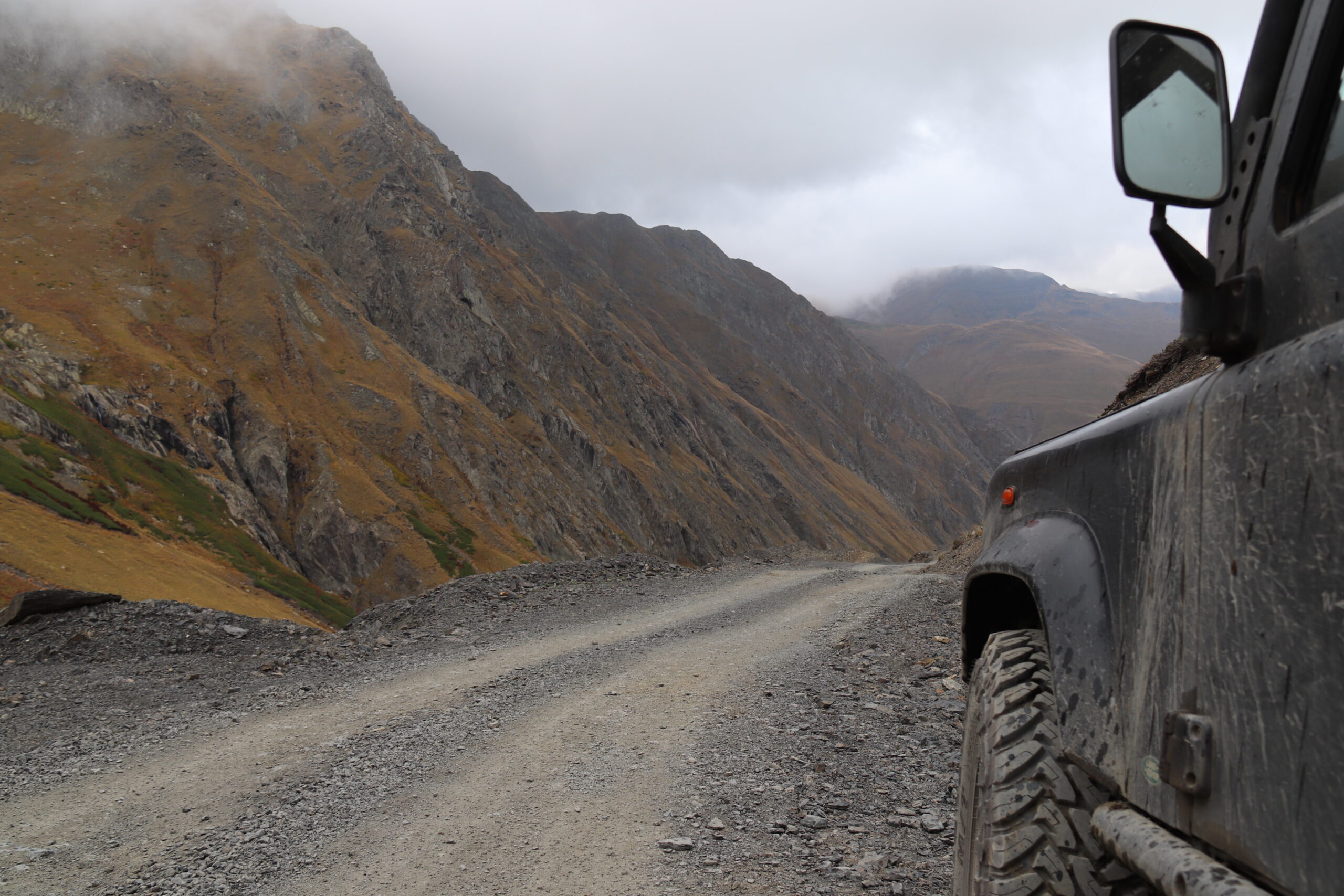
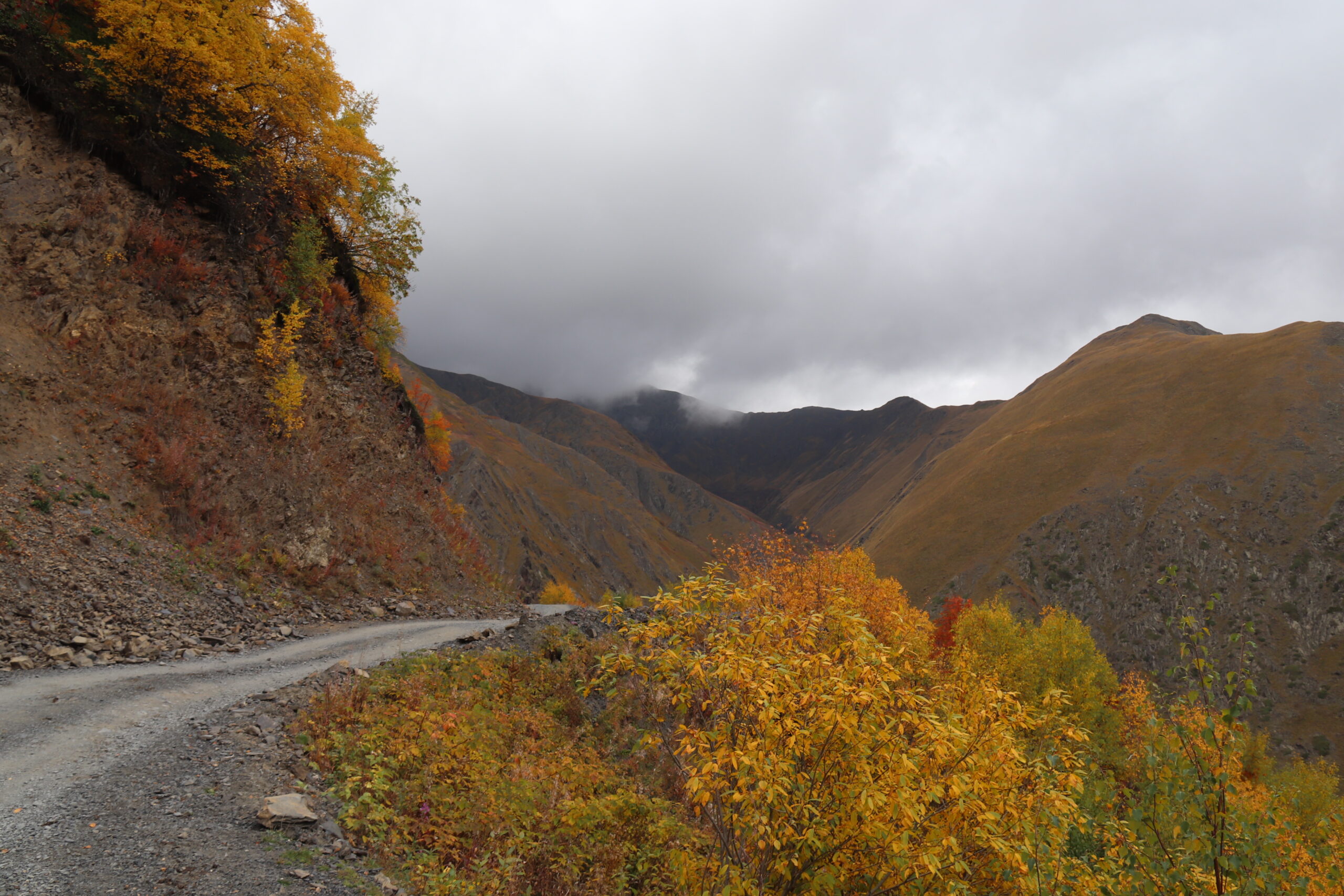
A highlight of a Georgia tour for many will be crossing the Abano Pass to get to Tusheti and back again. The route runs over the highest driveable pass road in the Caucasus, which is often listed as a “dangerous road”. The road is unpaved and has numerous steep hairpins. There’s comparatively little traffic on the route, but now and then one of the all-wheel-drive trucks bringing goods to Omalo and other places in the mountains can come the other way. Then it can get rather tight on the mountain track.
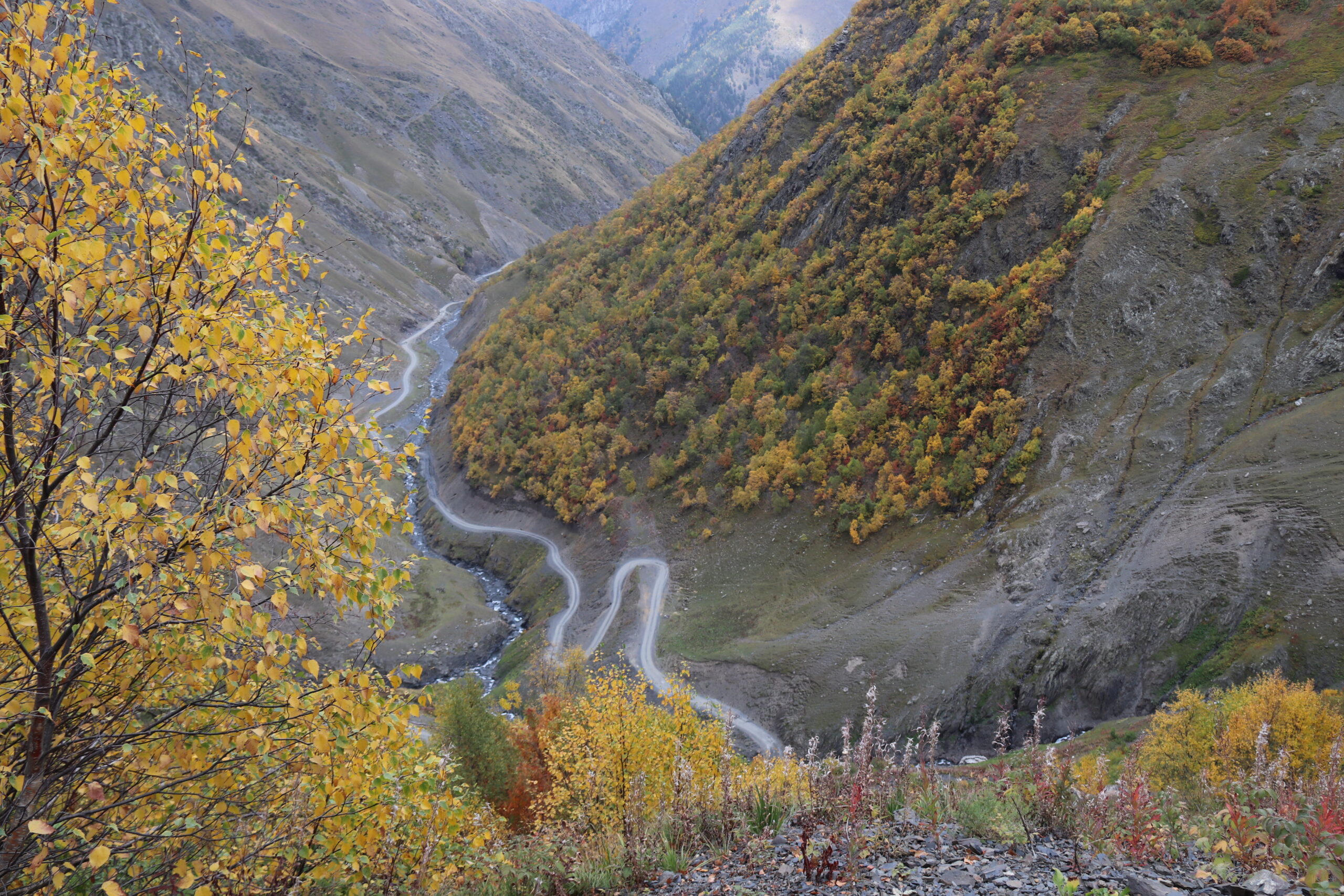
How passable it is depends heavily on your own vehicle, your own ability and comfort level, and not least on the weather. The author has driven the route himself, among other times after heavy rain, and then it really can get properly slippery. In such conditions the route demands good driving skill and high concentration, because often it drops many hundreds of metres right beside the narrow path. So no general recommendation on passability can be given, and everyone has to decide for themselves whether to take on the route or not. The views and the spectacular mountain worlds up here are worth a trip in any case. But when in doubt, better wait for better conditions or turn around, because safety comes first.
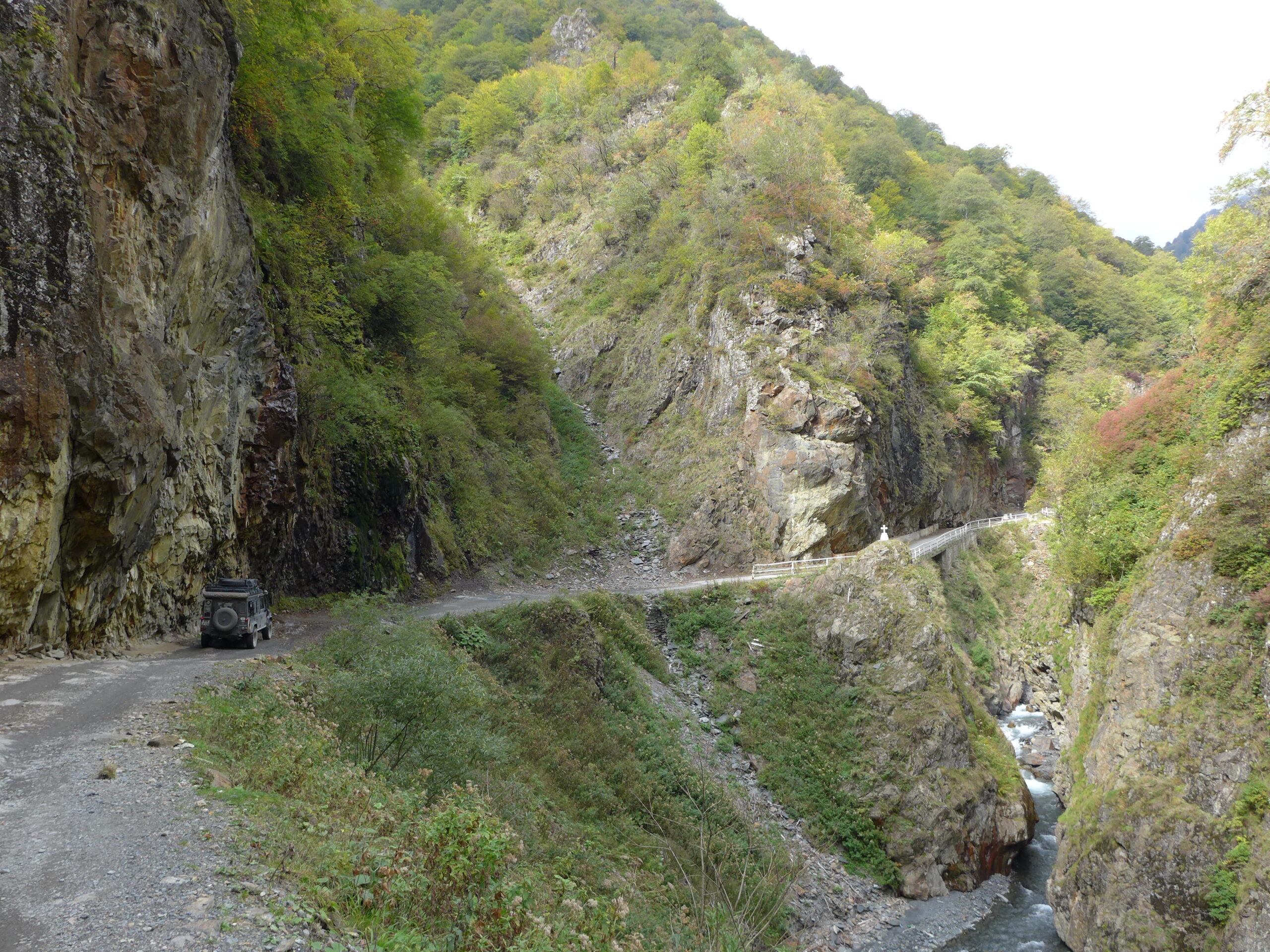
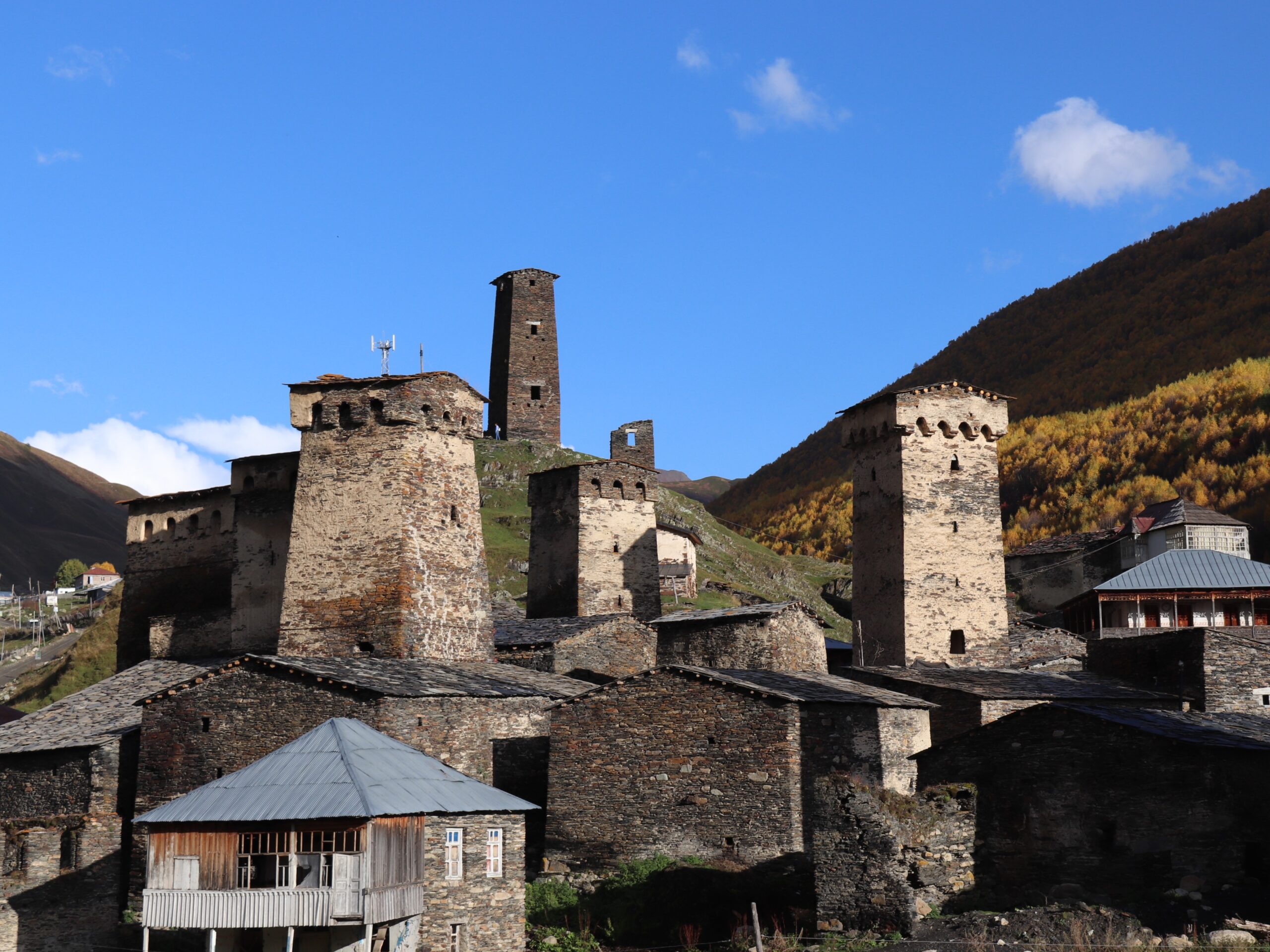
The medieval settlement of Ushguli at around 2,000 metres, already mentioned, is also part of a Georgia trip. Although some sections of the roads have been paved in recent years and building is still going on busily, you’ll still find great tracks in this area, for example coming from Lentekhi over the Zagari Pass, which gives great views of the high peaks of the Greater Caucasus.
Some routes need good preparation beforehand
For various areas, for example Vashlovani National Park in the border region with Azerbaijan, you need a permit. You get the paid permit at the park’s visitor centre on presenting your passport and vehicle papers. The permit is checked on site at a checkpoint.
In other parts of the country there are similar rules. Please find out about this before you set off, conditions can change. A good source for routes and the permits needed is the Overland Guide Georgia, which we’ve presented here in the magazine before.
On the author’s most recent trip to the region (summer/autumn 2024) there were also some further checkpoints and, in places, an increased presence of security forces in the country. At such checkpoints, vehicle papers and personal documents are checked. The checks were always friendly and courteous. When planning your route, please bear in mind that you can’t simply travel from Georgia into the areas of South Ossetia and Abkhazia. You’ll find more details in the travel and safety advice from the German Federal Foreign Office.
Please take care not to drive off the tracks. Respect nature, animals and people and leave the places you visit as clean as, or cleaner than, you found them, so we can keep visiting these beautiful spots for as long as possible. Guests are very welcome in Georgia, so we should treat our hosts with respect too.
How to get to Georgia
The easiest way to reach Georgia with your own vehicle is overland. Either through Turkey or through Russia. The route through Turkey along the Black Sea coast is very well built and can be covered in a few relaxed days. Still, it’s a long way, of course. The route via Russia is a good deal further again. But the long journey is definitely worth it for off-road Georgia.
An alternative can be the ferry from Bulgaria to Georgia. The crossing takes about two to three days depending on the schedule. Many travellers report that the connection is rather unreliable when it comes to departure and arrival times.
So if you have little time in one block, it can be worth ferrying the vehicle to the Caucasus region first, over the Balkans during a holiday, then doing a few tours there and storing the vehicle in the country in between. You do have to note, though, that your vehicle may only stay in the country for three months. In neighbouring Armenia it’s different, there you may leave the vehicle for twelve months.
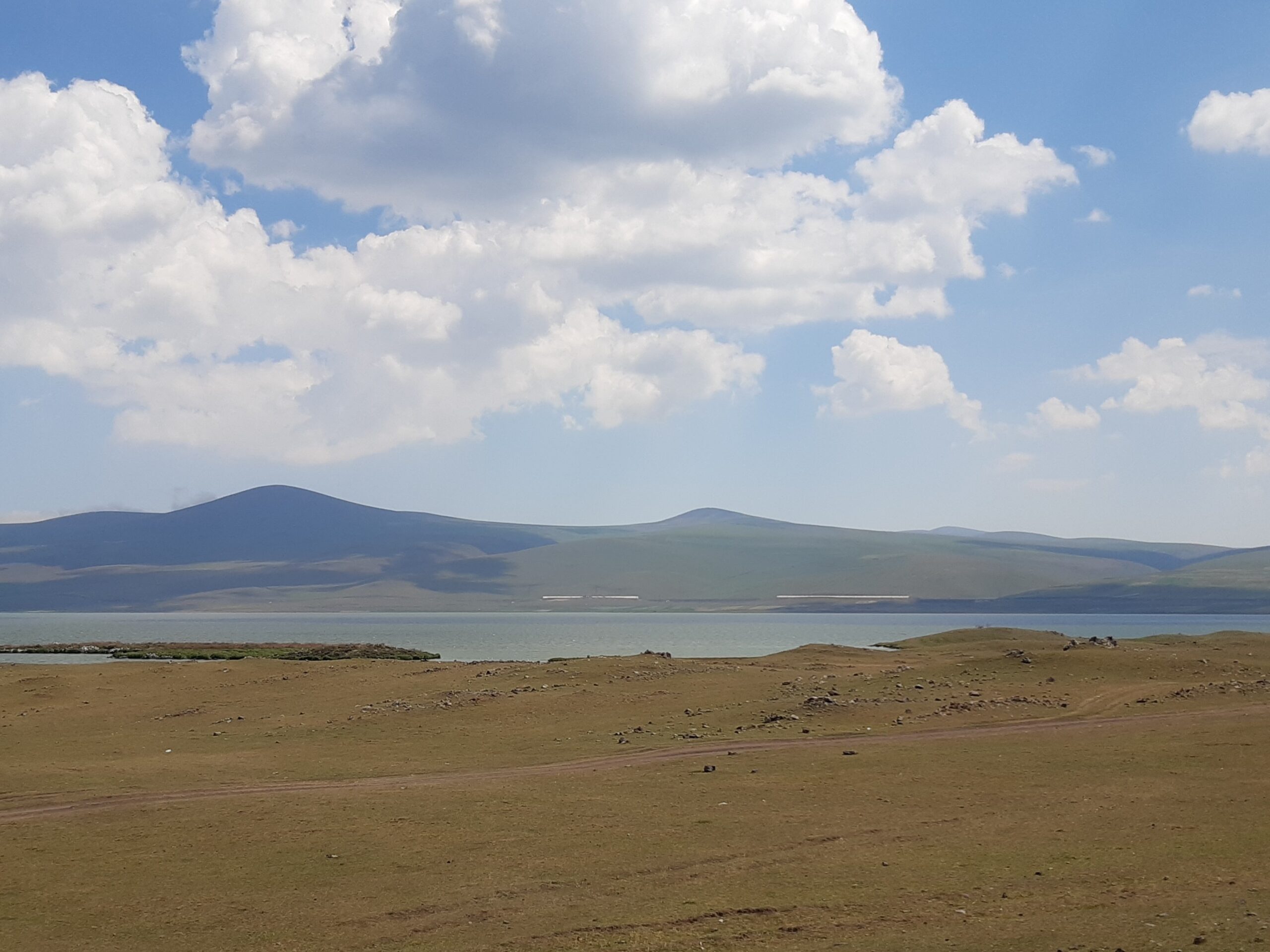
For long-term travellers the region is a dream, and Georgia combines nicely with its neighbours Armenia, Azerbaijan (note the current border situation!) or the east of Turkey, if you bring enough time. Georgia is also well suited as a destination for long-distance travellers on their way to Central Asia or coming back from there.
By the way, in Georgia it’s now possible to hire off-road vehicles, like a Niva with a roof tent or a UAZ Buhanka all-wheel-drive bus. So you can fly into the country from Germany in a relaxed way and discover it on a shorter holiday.
The best time to visit off-road Georgia
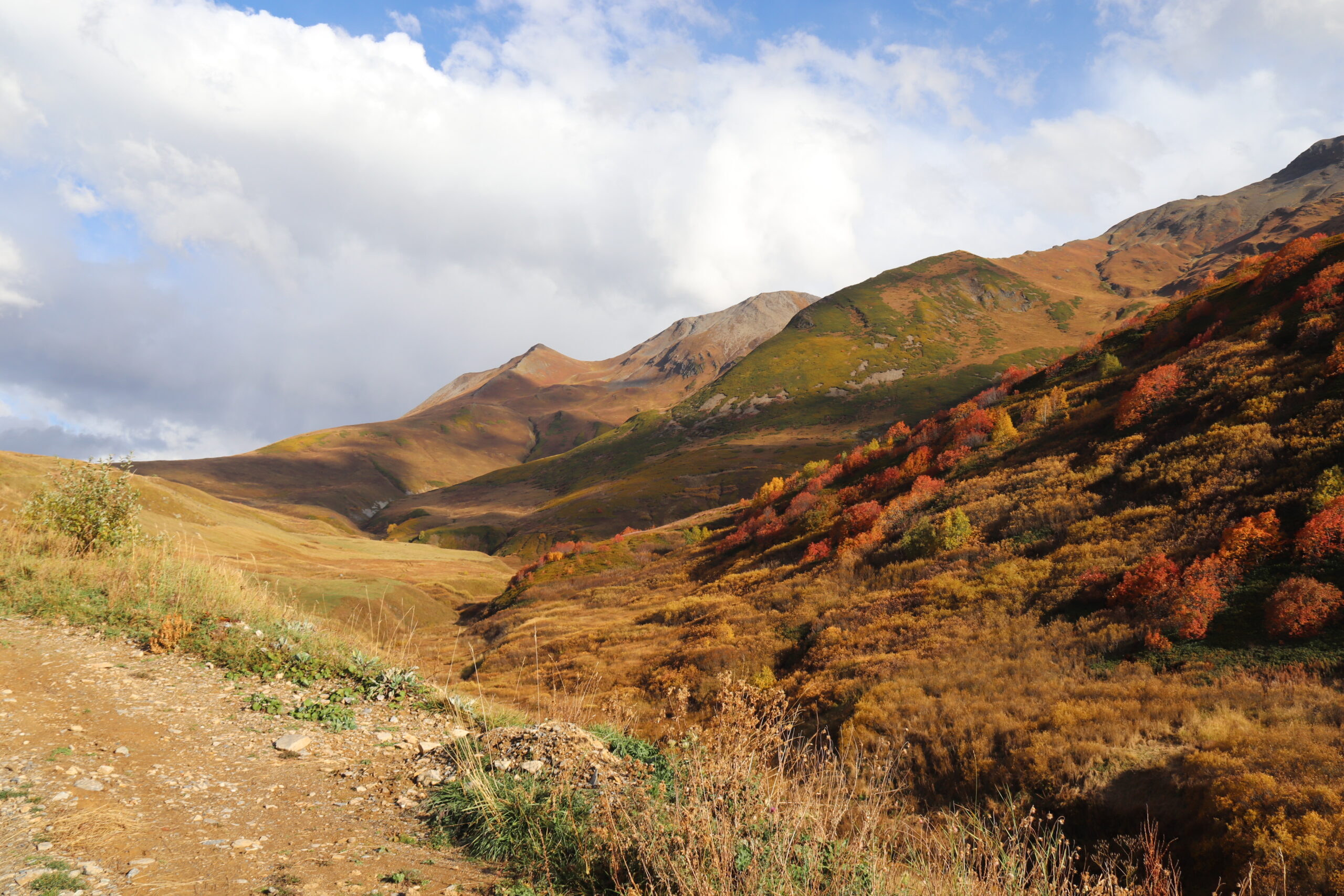
Georgia has different climate zones, as mentioned at the start. For an off-road holiday with the 4×4, the months June to October are surely a good fit. Most pass roads should be open then. But in the mountains the weather can change fast, so be prepared, equipped, and get information on site.
Entry and preparation for a tour through Georgia
German citizens currently need a passport to enter Georgia. A visa isn’t needed for shorter stays.
Travelling by vehicle, you naturally also need your driving licence. A licence issued in the EU is recognised, an international driving permit isn’t strictly required. We’ve put together more on the international driving permit here. The licence has to be shown on entry, by the way. For the vehicle, the registration document (part I) is also needed. If you drive a hire car, please check that you get the vehicle papers. Because, as mentioned, you may need them for a required permit.
Third-party motor insurance as a border policy is compulsory for vehicles registered abroad and temporarily brought into Georgia. You can take this out directly at the borders, at insurance offices a little past the border (possibly a bit cheaper) or online. You’ll find details on the website of the so-called Compulsory Insurance Center. When temporarily importing your vehicle, also watch the maximum length of stay. Overrunning it is penalised at the latest on departure and then costs money.
The standard of medical care and the emergency system in many popular travel countries is well known not to always match the high standard we’re used to in Germany, and in some countries payment in advance is required for treatment. So for trips like this, good international travel health insurance is recommended. For Georgia, the German Federal Foreign Office points out that since 1 January 2026 there’s a requirement to prove health and accident insurance in English or Georgian for the whole length of stay.
The official language of Georgia is Georgian. This language, and the script too, take some getting used to. Georgian belongs to the Kartvelian language family, which isn’t related to other language families. That doesn’t make it easier for us visitors. But the good news is that many people, especially the young in urban areas, speak English, and with older people and in the countryside a few words of Russian often help.
The petrol station network is comparatively well developed. Depending on your range, as always you should make sure to fill up in good time before driving into more remote regions, like the northern Caucasus, or on off-road detours. In many places you can of course pay by credit card, as you’re used to from home, but especially in rural regions it makes sense to always carry some cash in local currency in not-too-large notes, for a stop at a roadside restaurant or the like. Cash machines (debit or credit card), or official ways to change euro cash into Georgian lari, can be found in the bigger cities.
Entry conditions and situations on the ground can change quickly, so it’s best to check the website of the German Federal Foreign Office for the current rules and advice. The travel and safety advice is also available as an app. We’ve presented this and many other useful travel apps in a separate article.
Travel guides and maps for Georgia
For tour preparation, the Explore Georgia Overland Guide by Olivia Casari and Victor Michaud comes highly recommended. This guide from OunTravela offers, alongside well-described routes, a huge wealth of useful information for trip preparation and travel in Georgia itself. As a supplement to the book there’s also a map and the GPS routes to download. At a scale of 1:1,000,000 the map is less suited to navigation, it serves for orientation and an overview of the routes described in the book, contains pointers to some places worth seeing in Georgia, and a small travel vocabulary that’s in the book. The book is published in English and French and available in the authors’ shop.
The Reise Know-How publishing house has a Georgia map and a map of the Caucasus region in its portfolio. These world mapping project maps give you hard-wearing maps made from waterproof, tough special material. Ideal for the road.
Verdict on off-road Georgia
Yes, it’s surely a long way to the off-road travel country of Georgia. But it’s well worth it. Because Georgia is and remains a dream destination for many overlanders, and quite rightly so.
If you’re still unsure now, or want to build more anticipation for a Georgia trip, then have a look here in the magazine at the travel report On the road between the Greater and Lesser Caucasus by Björn Eldracher, or A Lux on tour, the way back to Europe via Armenia, Georgia and Turkey. Enjoy the read.
© Photos: Björn Eldracher