

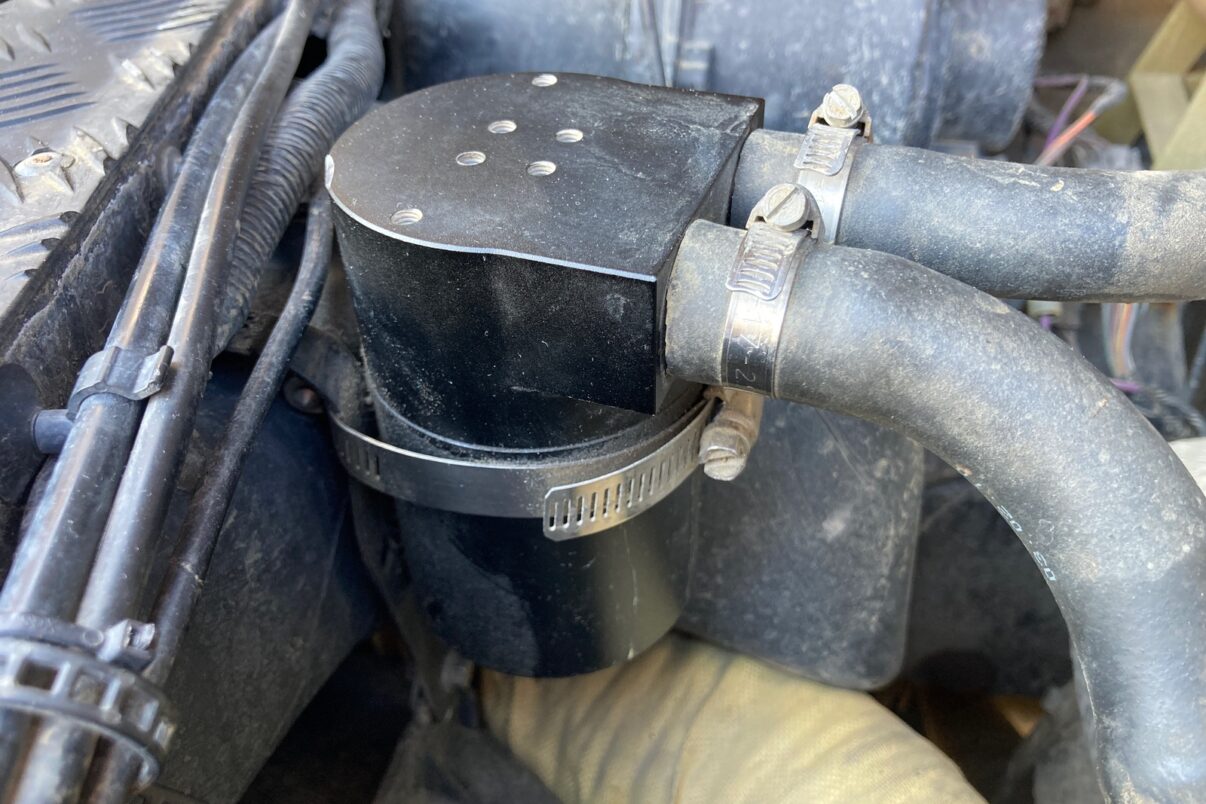

Does an extra oil separator in the crankcase breather hose, a so-called oil catch can, make sense?
To protect the engine from the muck carried back by the crankcase ventilation, people sometimes fit an extra separator in the shape of an oil catch can. In the off-road paradise of Australia these feel like one of those things that get retrofitted as standard. Why? We dug into it properly, looked at the pros and cons of a retrofit like this, and checked the real-world experience in the off-road scene.
First, a bit of technical background
A combustion engine builds up pressure. Some combustion gases, so-called blow-by gases, slip past the piston rings into the crankcase and end up in the crankcase ventilation. These gases are a mix of carbon dioxide, carbon monoxide, nitrogen oxides, oil and fuel residue, soot and water vapour. Gases slipping past the piston rings is completely normal. Because of the high pressure in the cylinder, they get pressed through the tiny gaps between the piston rings and the cylinder walls. But if you notice excessive blow-by on your vehicle, that points to a fault. During a service you should take off the crankcase breather hose and check the intake at that point for oil. If there’s a lot of oil in the hose, something is wrong. A light film of oil is normal, though. We covered this in our recent article on servicing.
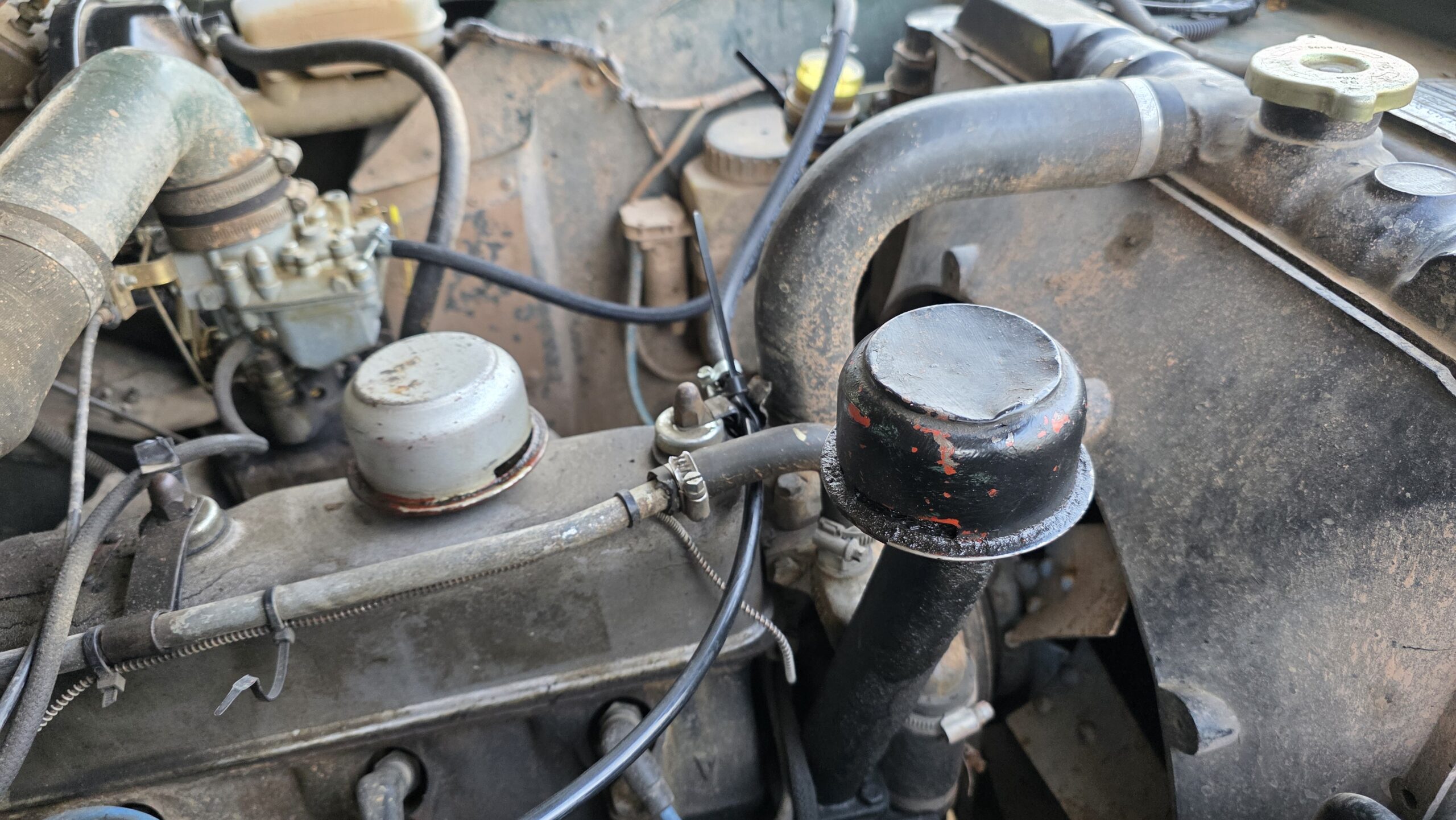
On today’s vehicles the combustion gases aren’t simply released into the environment like on older cars. They travel through the crankcase breather hose back into the intake. The breather hose feeds in before the turbocharger, for example, where a vacuum forms and the gases get sucked in. That’s how they find their way into the engine’s air intake, and oil and fuel residue can get in with them. Most engines already have an oil separator, and the separated engine oil goes back into the oil circuit instead of harming the engine in the intake. Even so, on many engines you can see contamination reaching the intake. This is especially relevant on diesels.
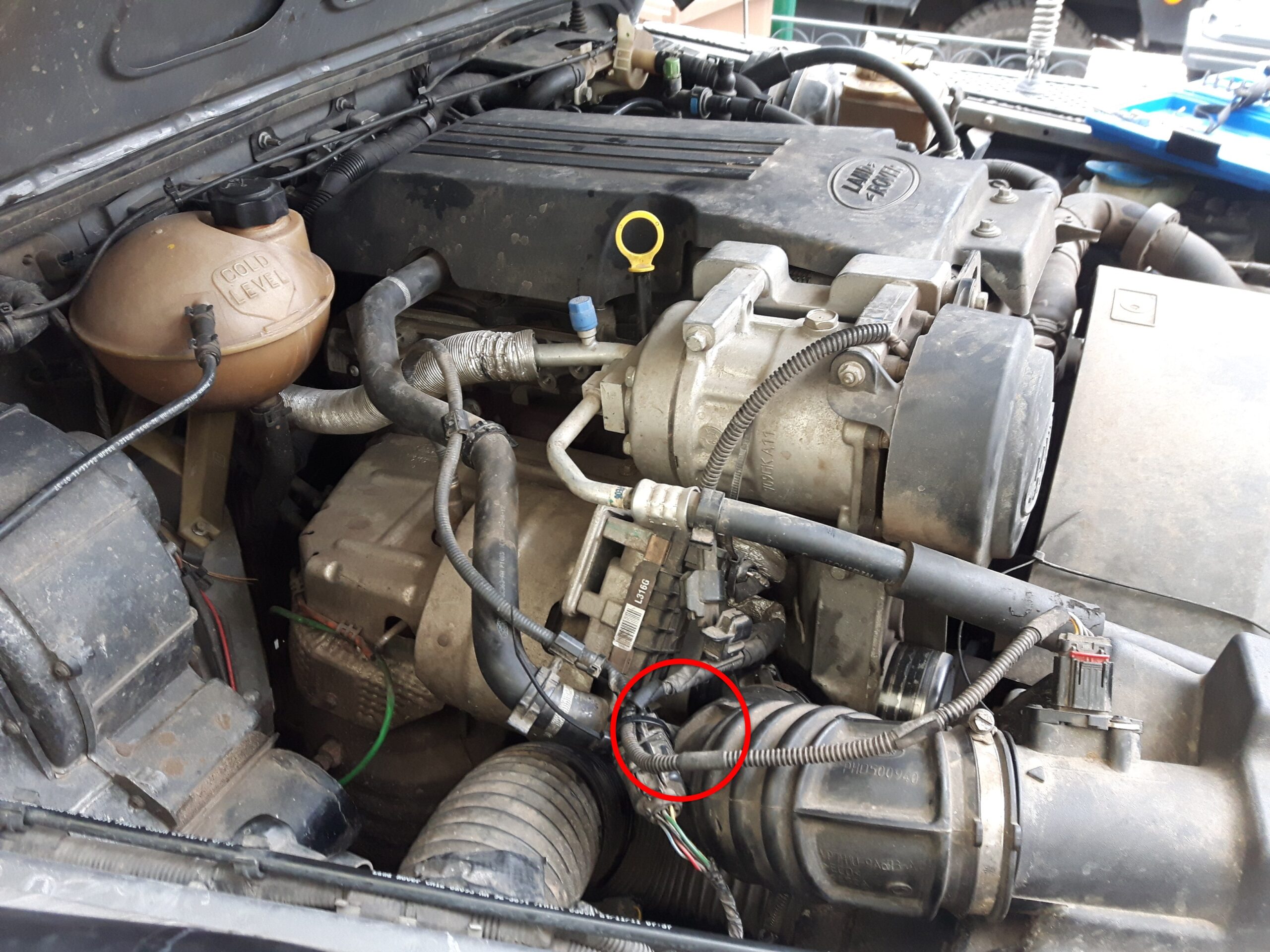
How the exhaust gas recirculation works matters here too
Combustion in today’s diesels isn’t just much more efficient, it also runs hotter at first. More of the toxic nitrogen oxides in the exhaust come with that. To cut these and meet the legal limits, the oxygen share in combustion has to drop and the temperature has to come down. That happens through exhaust gas recirculation, EGR for short. It feeds exhaust gas back into the fresh air stream for combustion. One result, alongside the cooler and relatively oxygen-poor combustion, is higher soot levels. So vehicles get particulate filters to keep that soot out of the surrounding air.
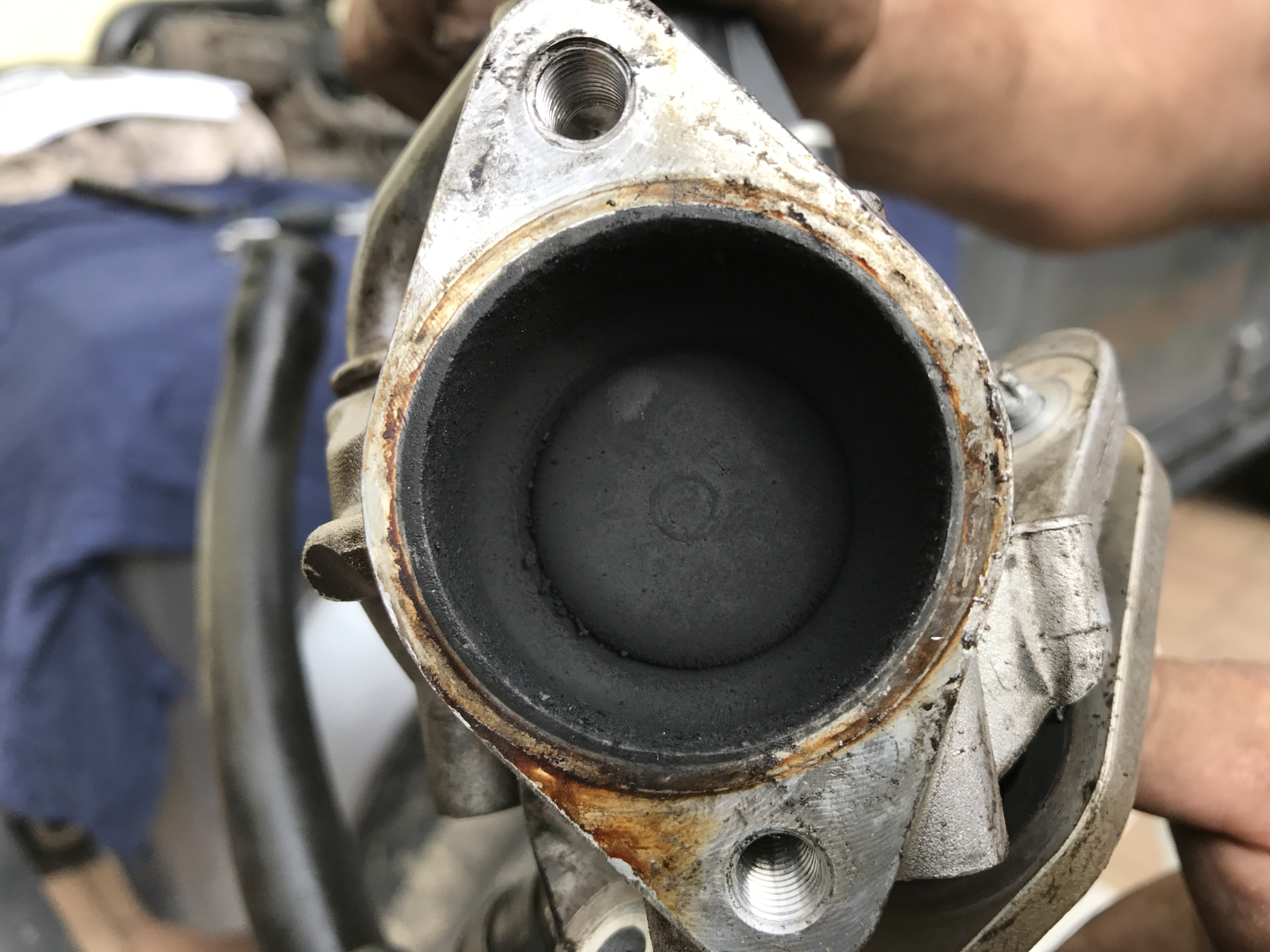
But the soot still gets into the engine and causes trouble, and not just on the EGR itself. This is where crankcase ventilation matters. The recirculated, soot-laden exhaust mixes with the fresh air, which carries oil vapour from the crankcase breather. An ideal mix, or should we say the perfect storm? The sticky mass that forms then settles in the intake manifold, on the intake valves and on other parts of the engine. Sensors can suffer too, give wrong readings or fail.
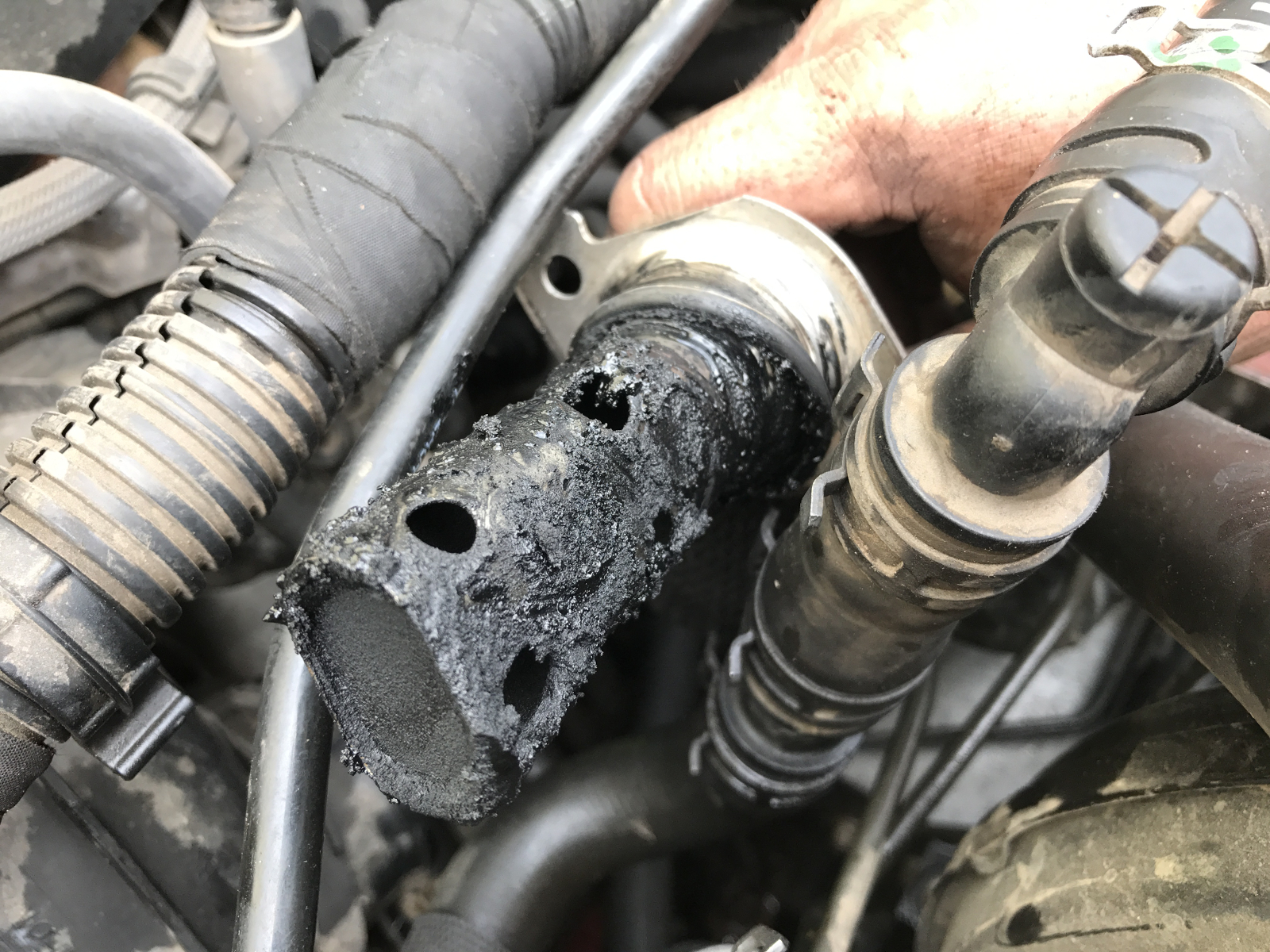
If you want to understand how the EGR works and the trouble it causes in more detail, have a look at our article on it: Exhaust gas recirculation, EGR, problems and solutions, MATSCH&PISTE guide
So what does an oil catch can do?
On a retrofit with today’s usual closed systems, the extra separator goes into the hose between the crankcase ventilation and the entry into the intake. Here the catch can filters the oil vapours mentioned above. A structure inside the separator, small baffle plates, steel wool or a filter insert for example, swirls the vapours so that oil residue, water and fuel residue condense. They drip down. In the bottom of the catch can they collect, to be disposed of later. The filtered gases carry on into the intake. So fewer harmful substances reach the intake.
For completeness: there are also systems, in agriculture for example, that work much like the separators already built into the rocker cover that many engines have anyway. With a fully closed system like that, the separated engine oil is even fed back into the sump and so into the oil circuit. That’s highly complex, sometimes needs extra parts like check valves, and isn’t suited to a simple retrofit.
The upsides
By separating in the oil catch can, fewer oil vapours reach the intake and so less reaches the engine. That way you avoid the deposits, which probably does the engine’s lifespan some good.
The catch can collects not just oil residue but condensate too. This is a topic especially on vehicles driven on a lot of short trips that never properly reach operating temperature. You’ve surely seen that greasy, white-yellow gunk on the oil filler cap on cars like that. It forms when the condensate in the oil can’t evaporate for lack of heat and instead mixes with the engine oil and settles on the cooler filler cap. The crankcase breather can look the same. This is one reason modern vehicles show shorter oil-change intervals when a lot of short trips are driven. The onboard computer works out this dilution from its models and shortens the interval to match.
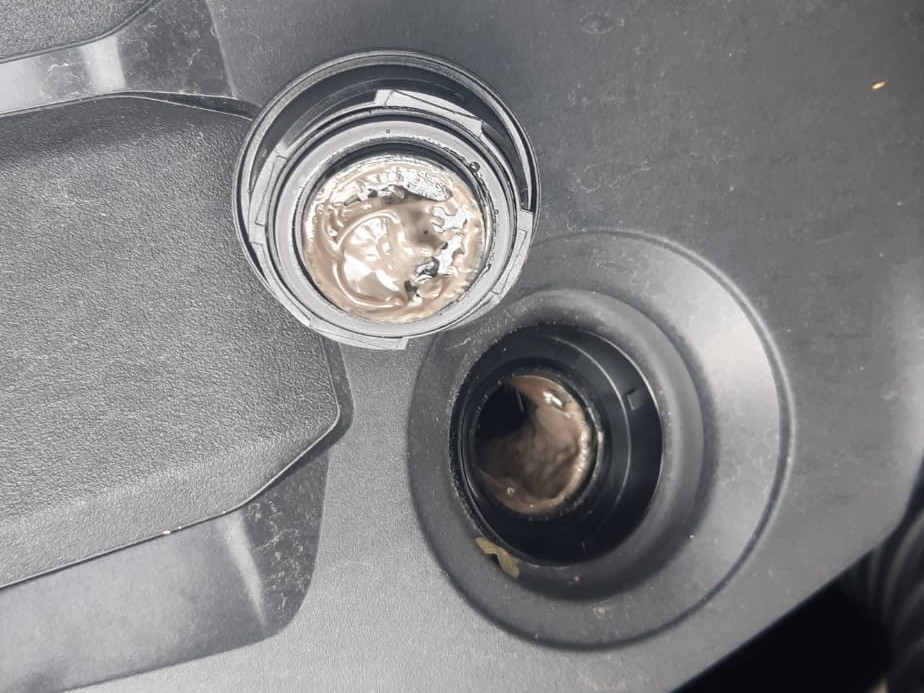
Even so, it’s better for this emulsion to be caught in the catch can than to reach the engine. The intercooler stays cleaner too. And in a rollover, depending on the catch can’s design, no oil, or less oil, can reach the intake. So the upsides look obvious, at least at first glance. But are there downsides?
The downsides
The crankcase ventilation is a tuned system from the factory, with the pressure in the crankcase set precisely. The designers and makers leave nothing to chance here. So stepping in at this point has to be thought through.
If the retrofitted oil catch can doesn’t work flawlessly, and there are plenty of real-world reports about poor-quality parts, pressure can build up in the crankcase ventilation and lead to engine damage, like seals being pushed out or turbocharger damage. In a frost, the water collected in the catch can can freeze in the mix, then block the breather and likewise cause engine damage. There’s a reason many more modern common-rail diesels have heated crankcase breathers, as they run short on waste heat. You might have to remove the catch can again for winter.
Then a catch can retrofit costs money, of course. With good-quality parts and a self-install you can easily be looking at 250 to 500 euro. On top of that comes the labour cost if someone else fits it. And flawless operation needs regular maintenance, because the collected mix has to be emptied and disposed of properly from time to time. Depending on the separator’s design, the filter has to be swapped regularly. So there’s extra maintenance work. If you skip the emptying, the catch tank can overfill and the collected mix can run back into the engine or get sucked into the intake all at once. That leads to knock-on damage for sure.
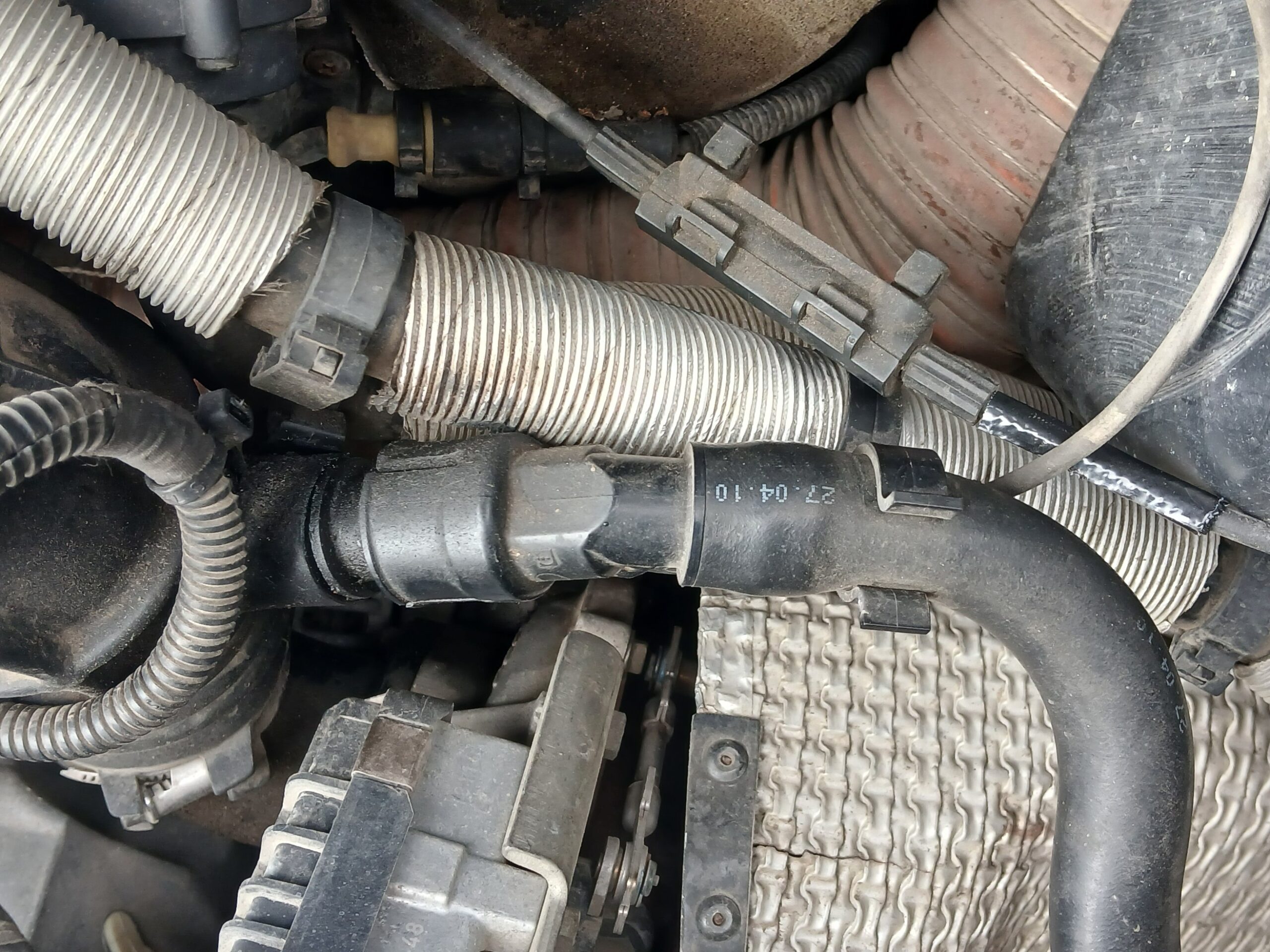
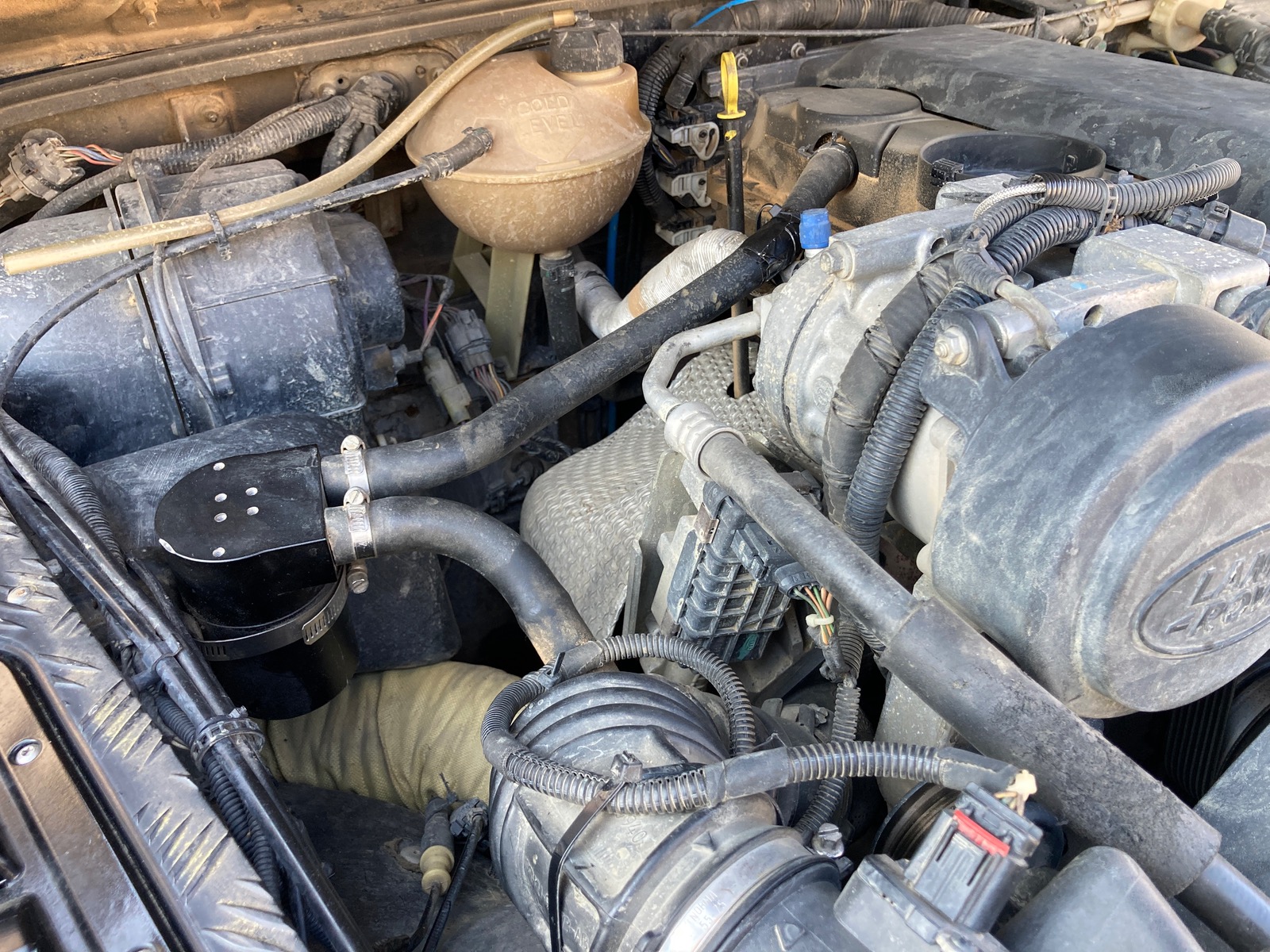
In some vehicles the fitting is very easy, given enough space. Then it’s often enough to cut the crankcase breather hose and set the new separator in between. But the retrofit can be tricky in today’s vehicles, because a separator like this needs space in the engine bay, which is scarce anyway thanks to all the ancillary units and add-ons that are already there. And a retrofit always means a serious change to a design that works from the factory. Many retrofits have the downside that the vehicle is no longer close to standard, so faults are often harder to diagnose and damage is harder to fix, especially out on the trail.
Worth knowing about fitting
If the design has an open breather, it’s probably not allowed under German road-traffic law (StVZO), because it changes the vehicle’s emissions behaviour. There are oil catch cans on the market sold as a closed system for individual vehicles, with a certificate. That tends to concern the car-tuning scene, though, and whether they actually come with a parts report (Teilegutachten) for a modification sign-off under § 19.3 StVZO or a general type approval (ABE) isn’t clear. We didn’t find any products for off-road vehicles like the ones we drive among them anyway.
We still got in touch with one such supplier to find out exactly what the certificate named in the product description covers, possibly with a test unit so we could give you more information. Sadly we ran into total indifference. So be careful with these certificates and check offers like this closely before you buy. Many reputable suppliers of add-on parts and accessories state exactly which documents come with a product, in their product descriptions or at least on request.
On top of that, since 20 June 2025 new add-on parts may only be put on the market with a so-called parts type approval (Teiletypengenehmigung) and no longer with a parts report (Teilegutachten). For parts reports issued before that date, a three-year transition period currently applies, so until mid-2028. After this transition period, parts reports may only be used for individual sign-offs under § 21 StVZO (while parts reports for parts already fitted to vehicles keep their validity).
So the only route left is likely the individual sign-off under § 21 StVZO, where it’s wise to clear such plans with a testing body first and then carry them out accordingly.
What else to watch out for on a retrofit
As mentioned, with such an invasive change you should make a point of using good-quality parts. With the steel-wool version, the wool has to be swapped regularly, because it clogs and gums up, which then drops the separation performance, or small bits of the wool can even come loose and travel on into the intake. Depending on the amount, it can also change the flow speed of the gases and so, again, lead to higher pressure in the crankcase ventilation. Ideally the catch can has a swappable filter. That makes maintenance easier and gives predictable flow figures from the maker. More on maintenance later. The maker’s figures for the blow-by flow rate matter too, this has to suit the vehicle or engine for the system to work.
Many catch cans have a drain valve, so you don’t have to remove the tank to empty it. To prevent the crankcase overpressure described above, the oil catch can should have a pressure-relief valve that opens when the pressure climbs too high. Watch the fittings too, and use good-quality clamps and suitable oil- and heat-resistant hoses for the install. The mounting has to be secure so nothing vibrates loose on corrugated tracks. And while we’re on off-road use, some products do state a maximum tilt angle. That should of course suit what the vehicle can do.
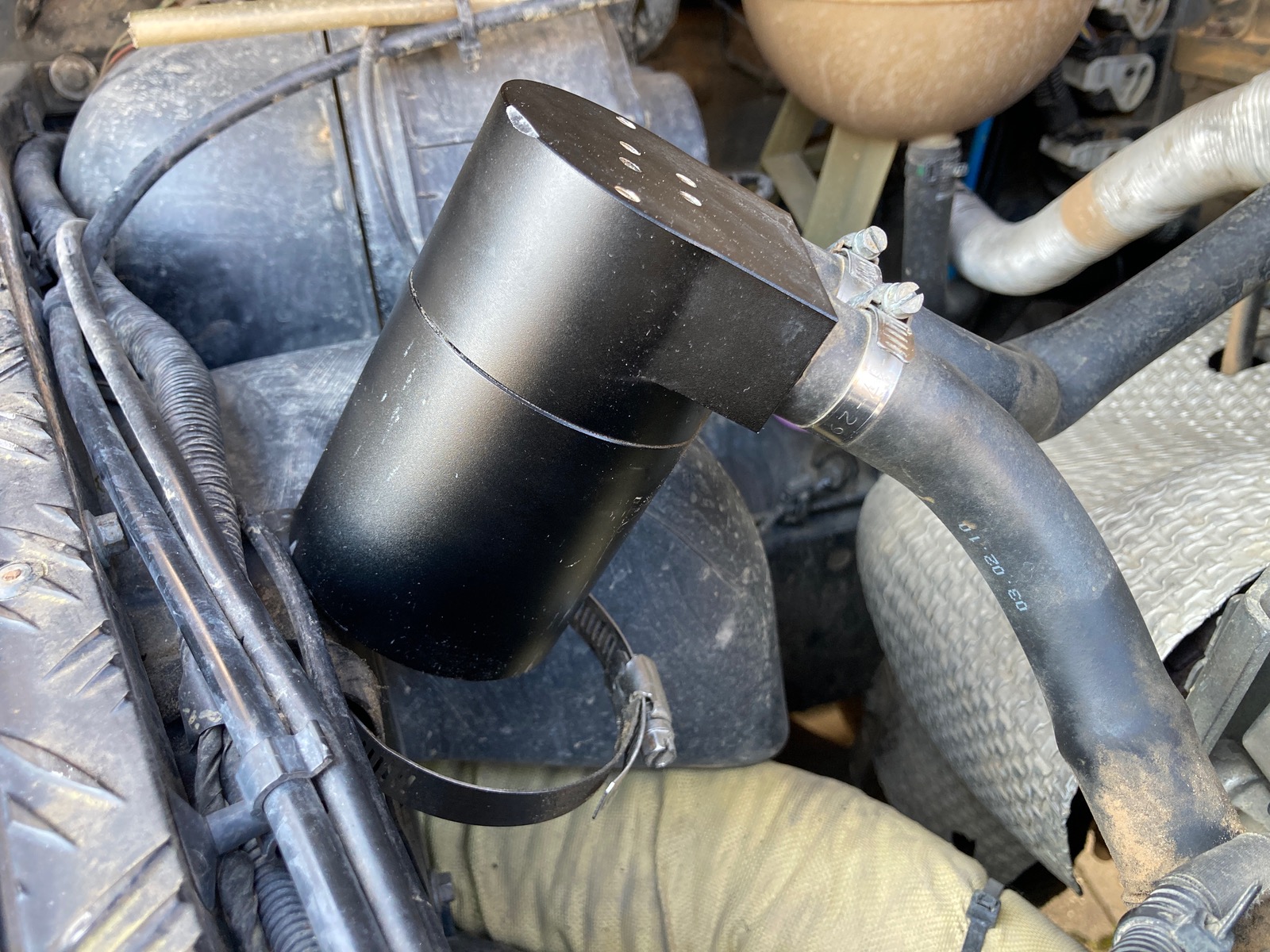
Fitting isn’t always one for the hobby spanner. You’re working on key engine parts here and coming into contact with materials that are bad for your health. Oil residue also has to be disposed of properly. Hoses have to be routed so they can’t chafe. Flow directions have to be respected, and proper assembly is essential. When in doubt, better leave this to a pro.
Maintaining the separator
Maintaining the catch can mainly comes down to emptying and properly disposing of the collected mix, cleaning the insides and swapping the filter where there is one. How often you have to empty the tank depends on how much oil vapour the engine produces and, in the end, can only be found out case by case. So regular checks matter.
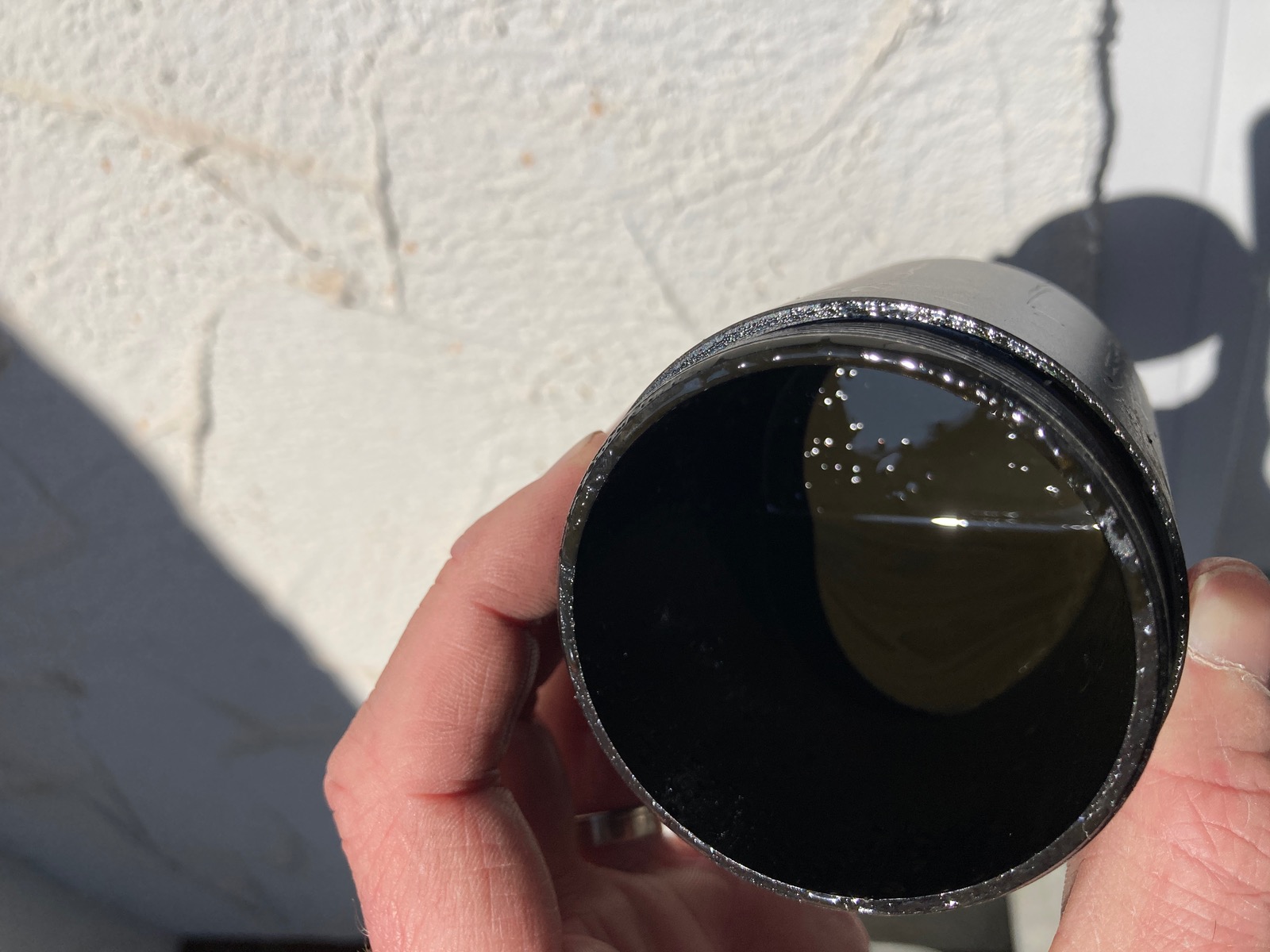
For the filter change, makers often set an interval of 20,000 to 40,000 kilometres. But that depends on the load. Either way it makes sense to build catch can maintenance into the vehicle’s own service plan, and in practice intervals of around 10,000 kilometres for a check and empty have proven themselves. On vehicles used mainly for a few holiday trips a year, and not in the cold season, experience shows fairly little collects in the catch can. If, with the same usage pattern, a lot more suddenly collects, that could be a good hint of increased blow-by at the pistons and a fault.
More on servicing and why it matters, plus plenty of tips, is in this article, where we explain why vehicle servicing matters.
Verdict: is an extra oil catch can worth it?
Whether fitting an extra oil separator in the shape of an oil catch can is more of a placebo or really gives enough technical benefit depends on a lot of factors, and is probably an all-evening topic round the campfire. What’s clear is that oil mist in the intake can’t be good for the engine’s health, and it can’t hurt to keep these vapours, and the deposits that follow, out of the engine, even though the far bigger problem, which often clogs the intake manifold and dirties sensors, is the exhaust gas recirculation. The point of a retrofit surely also depends on the engine and how much blow-by, after a factory separator, even reaches the breather hose in the first place. On older or turbocharged diesels that will surely be more than on a modern petrol engine.
Stepping into a working system is, as described, not trivial in the end and should be well thought through. And then a retrofit oil catch can really can make sense.
Photos: Andreas Woithon, Björn Eldracher